What are the Benefits of Material Handling Robots for Your Business
In today's fast-paced manufacturing landscape, businesses are increasingly turning to Material Handling Robots. These advanced systems enhance operational efficiency and improve safety in the workplace. According to a report by the International Federation of Robotics, the adoption of robotic systems in logistics and warehousing has increased by over 40% in recent years. This trend highlights the growing importance of automation in material handling.
Material Handling Robots streamline various processes, from storage to delivery. They reduce human error and ensure consistent quality in operations. For instance, a study from McKinsey found that automation can lead to a productivity increase of up to 30% in warehouse settings. However, implementing these robots isn’t without challenges. Companies must consider the initial investment costs and the training required for staff.
Despite these hurdles, the long-term benefits are compelling. Material Handling Robots not only optimize workflow but also enhance worker safety by taking over repetitive and hazardous tasks. As the industry evolves, businesses must weigh these advantages against their operational needs and workforce readiness. This reflection is critical for making informed decisions about automation in material handling.
Benefits of Material Handling Robots: An Overview
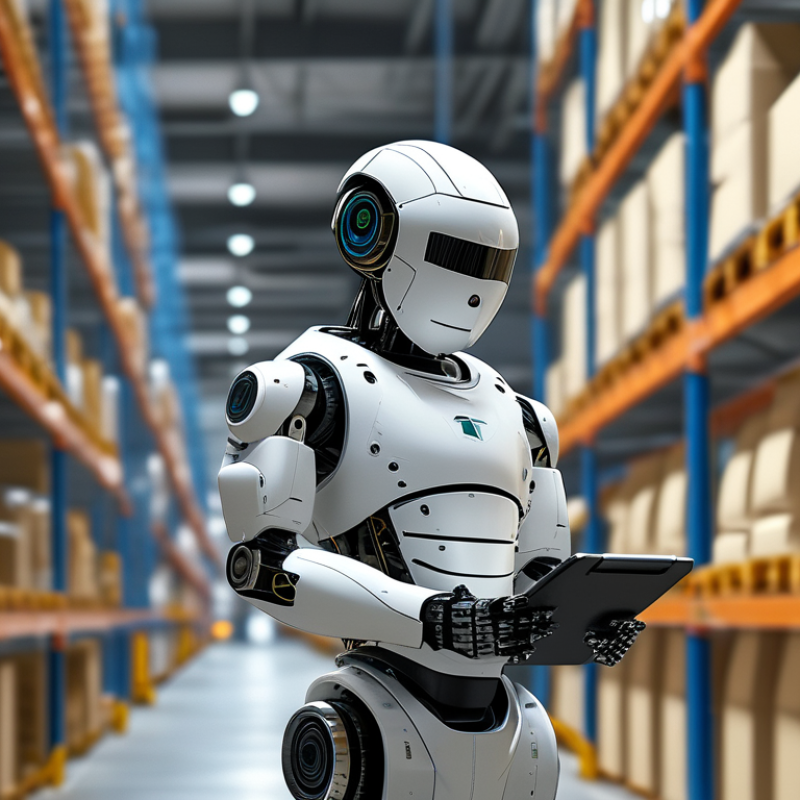
Material handling robots bring numerous advantages to businesses seeking efficiency and productivity. These machines automate repetitive tasks like lifting and transporting goods. This reduces the risk of injury for workers. When safety improves, morale often boosts, creating a better workplace environment.
Cost savings also stand out. With robots handling routine tasks, businesses can allocate human resources to more complex activities. This leads to greater innovation and problem-solving. Increased speed in operations enhances overall productivity, allowing companies to meet customer demands swiftly.
However, there are challenges. Initial costs for implementing robotic systems can be significant. Training employees to work alongside machines requires time and effort. Businesses must navigate the balance between automation and human touch, ensuring that customer service remains a priority. The integration process can take time, but the long-term benefits often outweigh the initial hurdles.
Benefits of Material Handling Robots for Your Business
This bar chart illustrates the key benefits of material handling robots for businesses. The data indicates that increased efficiency is the primary benefit, followed by significant reductions in labor costs and enhanced safety in operations.
Enhanced Efficiency in Warehouse Operations
In today's fast-paced business environment, enhanced efficiency in warehouse operations is crucial. Material handling robots have emerged as a key solution for many companies. These robots streamline the movement of goods, reducing the time and labor required for repetitive tasks.
By automating the picking and packing processes, warehouses can operate at a faster pace. Robots equipped with advanced sensors navigate through aisles, selecting items accurately. This reduces human error and increases the reliability of order fulfillment. However, it is essential to evaluate how effectively these robots integrate into existing systems. Industrial setups may require adjustments before achieving optimal performance.
Moreover, the use of robots can lead to a safer work environment. With machines carrying heavy loads, the risk of injury to staff decreases. However, it's crucial to ensure proper training and oversight. Balancing human and robotic labor is necessary to maintain productivity. Over-reliance on technology may create vulnerabilities if systems fail or require maintenance.
Reduction of Labor Costs and Improved ROI
Material handling robots have become essential in modern businesses. They streamline processes while dramatically reducing labor costs. According to a report from the VDMA Robotics Association, companies integrating these robots can reduce labor costs by up to 30%. This reduction directly translates to improved profit margins and allows businesses to allocate resources more effectively.
In addition to cutting costs, the return on investment (ROI) for material handling robots is noteworthy. A study by the International Federation of Robotics showed that companies experience an ROI of 200% within just two years of implementing these systems. This remarkable return can be attributed to increased efficiency and reduced downtime. However, it is essential for businesses to monitor their implementation processes carefully. Misalignments in workflow can lead to wasted resources and lower efficiency.
Adopting automation is not a one-size-fits-all solution. Businesses face hurdles in training staff and integrating new technologies into existing systems. Companies must assess their unique needs and explore tailored solutions. Navigating these challenges can seem daunting, but the potential benefits in cost savings and ROI justify the effort.
Improved Safety and Risk Reduction in the Workplace
Material handling robots significantly enhance safety in the workplace. They reduce human labor when moving heavy items. This helps to minimize physical strain on workers. Physical injuries can lead to lost productivity and increased costs. With robots handling the most dangerous tasks, the risk of accidents decreases.
These robots operate consistently, reducing human error. They can lift, sort, and transport items accurately. Safer workplaces lead to improved employee morale. Workers can focus on more complex tasks, boosting efficiency. However, training employees to work alongside these robots is essential. There can be a learning curve. Miscommunication may occur without proper guidelines.
The integration of robots may also create adjustment challenges. Employees might feel uncertain about their roles. Open communication about these changes is crucial. Ongoing support can ease concerns and foster a safer environment. Investing in technology is beneficial, but the human factor must not be overlooked. Emphasizing safety and adapting gradually ensures a smooth transition.
Flexibility and Scalability for Evolving Business Needs
In today’s fast-paced business environment, flexibility and scalability are essential. Material handling robots offer solutions that can adapt to changing demands. Businesses often face fluctuations in order volume. Robots can quickly adjust their operations to meet these new needs. This ensures efficiency remains high, even during peak times.
Imagine a warehouse that requires quick adaptations. As the product line changes, so do handling needs. Robots can be reprogrammed with ease. They can move various items without significant downtime. This capability allows businesses to efficiently manage diverse workflows. The possibility of real-time adjustments enhances operational flexibility.
However, implementing these robots isn't without challenges. Staff may feel uncertain about job security. Training is necessary to maximize robotic potential. Businesses must also consider upfront costs. Evaluating ROI can feel daunting. The balance between investment and expected benefits requires careful thought. Each business must assess its unique context before making decisions.
Conclusion
Material Handling Robots offer a myriad of benefits that can significantly enhance business operations. Firstly, these robots contribute to improved efficiency in warehouse operations by automating repetitive tasks, allowing for faster processing and increased throughput. Additionally, the reduction of labor costs leads to a better ROI, as companies can optimize their workforce while reallocating human resources to more strategic roles.
Moreover, Material Handling Robots enhance workplace safety by minimizing the risk of injuries associated with manual handling. Their flexibility and scalability ensure that businesses can adapt to evolving needs with ease, accommodating fluctuations in demand. Finally, the integration of these robots with advanced technologies, such as AI and IoT, further boosts productivity, making them an invaluable asset for modern businesses striving for operational excellence.