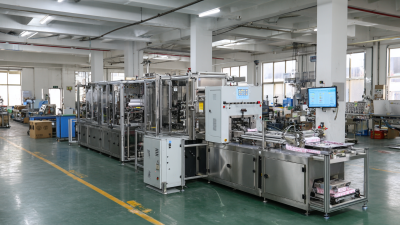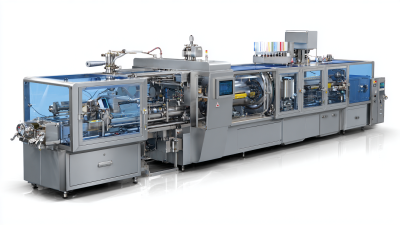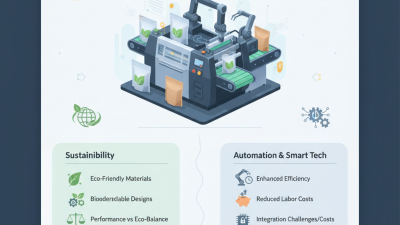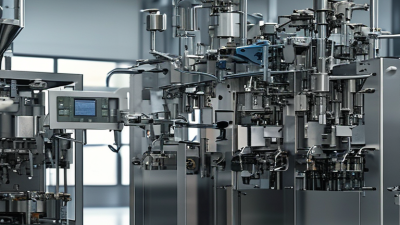
Choosing a pakona packaging machine in 2026 requires more than comparing prices and polished brochures. The right decision begins with your product, package format, production volume, and operating environment. A machine handling fine powder needs different controls than one filling thick liquid or fragile granules. Small details matter. Film width, sealing temperature, dosing accuracy, and changeover time can shape daily performance.
From practical equipment evaluations, I recommend requesting machine trials with your actual product and packaging material. Ask the supplier to record speed, fill-weight variation, reject rates, and cleaning time. Inspect the control panel, guarding, stainless-steel contact parts, and emergency-stop access. Reliable documentation should include specifications, installation requirements, maintenance schedules, spare-parts information, and operator training. Independent certifications and verified customer references also strengthen confidence, although they should not replace your own testing.
A useful comparison includes total ownership cost, not only the purchase price. Consider energy use, compressed-air demand, labor, downtime, tooling, and service response. A cheaper machine may become expensive after repeated adjustments. That is an uncomfortable possibility. Still, every projection contains assumptions, and some real factory conditions are difficult to predict. Product dust, humid rooms, inconsistent materials, or inexperienced operators can change results quickly. This guide examines those risks carefully, helping buyers select a pakona packaging machine that fits measurable production needs, realistic budgets, and long-term reliability. The best choice may not be the fastest model. It may be the one your team can operate consistently every shift.
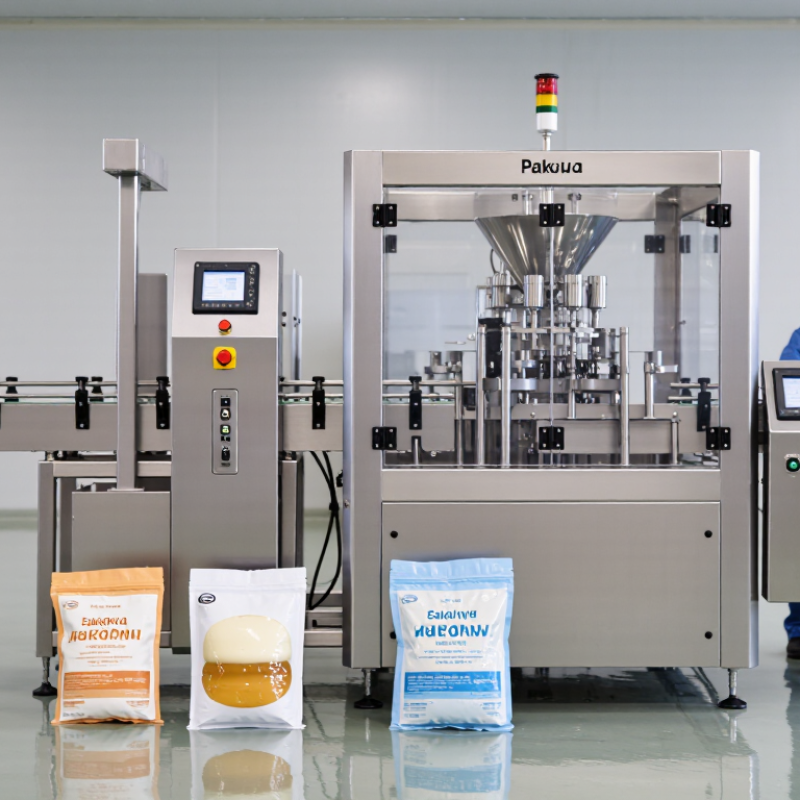
Start with the product, not the machine catalog. A powder, liquid, capsule, or fragile item behaves differently during filling and sealing. Record its density, viscosity, moisture level, particle size, temperature, and flow pattern. Small variations matter. A dusty powder may clog narrow filling paths. A sticky sauce may leave residue around the nozzle. I have seen trial runs fail because operators measured average weight, but ignored product surges.
Define the package format and production target clearly. Note the bag width, film type, seal area, container shape, fill range, and acceptable weight tolerance. Then match those details with the machine’s dosing system, sealing temperature, forming components, and control range. Product-contact parts should suit the material and cleaning process. For food or personal-care products, hygienic design and traceable components are essential. Ask for real sample testing, not only a brochure demonstration.
Compatibility also includes the working environment. Check available floor space, power supply, compressed air, operator skills, and maintenance access. A fast machine may be unsuitable if changeovers require excessive adjustment. That is easy to overlook. Request data from products similar to yours, including speed, waste, seal strength, and downtime. One imperfect trial should not be hidden; it may reveal a genuine design limitation. Leave room for future package sizes, because today’s efficient setup can become restrictive surprisingly quickly.
Production capacity should begin with real demand, not the machine’s headline speed. A line rated at 120 packs per minute may deliver fewer after changeovers, cleaning, film splices, and minor stoppages. Measure effective output during a normal shift. Keep a 15–20% capacity reserve for seasonal orders and product variation. PMMI’s 2024 industry outlook highlights continued investment in automation, but higher automation does not automatically improve every factory. A badly sized system can become an expensive bottleneck.
Format matters just as much. Vertical form-fill-seal equipment suits many granular, powdered, and free-flowing products. Horizontal systems often handle delicate or irregular items more gently. Premade-pouch machines can improve presentation, but they may increase material and handling costs. Test the actual product, film, seal width, and target fill weight. Laboratory trials are useful. They are not production proof.
Automation should match your operators, maintenance skills, and expansion plan. Basic machines may need manual loading and frequent adjustments. Mid-level systems can add servo drives, automatic film tracking, recipe storage, and checkweighing. Advanced lines may connect conveyors, vision inspection, robots, and production software. The International Federation of Robotics reported 541,302 industrial robots installed worldwide in 2023, showing strong automation adoption. Still, integration can create new failure points. I would question any proposal promising “zero” operator intervention. Review changeover time, spare-parts access, data security, training, and service response before approving the purchase.
How to Choose a Packaging Machine in 2026?
Choosing a packaging machine starts with the product material, not the machine’s appearance. Film thickness, stiffness, moisture sensitivity, and recyclability affect feeding and sealing performance. Test the actual packaging material before approval. Laboratory samples can behave differently on a production floor. A machine handling powder also needs stronger dust control than one filling liquid products.
Sealing requires careful attention. Heat-seal materials need stable temperature, pressure, and dwell time. Cold-seal structures require different pressure settings and clean contact surfaces. Inspect seal strength, wrinkles, leaks, and burnt edges during trials. Small temperature changes can affect shelf life. This is easy to underestimate. Filling accuracy depends on viscosity, particle size, and product flow. Auger systems suit many powders, while pumps may handle liquids more consistently. Granules often need weigh-based or volumetric systems. Check the filling range, changeover time, cleaning access, and measurement repeatability.
Tips: Run several material and product trials, not one short demonstration. Record seal temperature, filling tolerance, speed, and rejected packs. Ask for test data and maintenance requirements. Leave room for adjustment; real materials rarely behave perfectly. A machine may perform well today but struggle after humidity changes. Review that risk with operators and maintenance staff before purchasing. Their practical feedback often reveals problems that specifications miss.
Selecting a packaging machine in 2026 requires more than comparing speed. The control panel should show clear alarms, recipe permissions, and real-time production data. A practical trial should include wet gloves, changeover pressure, and a simulated sensor failure. Controls that look impressive may still confuse operators during a rushed shift.
Safety deserves equal attention. Check guarded access points, emergency stops, interlocks, and safe restart behavior. The latest PMMI packaging industry research highlights labor shortages and stronger demand for automation, but automation does not remove human risk. It can hide risk. Ask for documented risk assessments, training records, and safety validation. Independent inspection is wise, even when the supplier seems confident.
Tips Request a maintenance schedule with exact intervals, spare-part codes, and response times. Confirm whether remote diagnostics require secure access and clear user permissions. The 2024 MHI Annual Industry Report reports that many supply-chain organizations are increasing technology investment, yet implementation challenges remain. Technical support should include practical video training, local service coverage, and escalation contacts. Test support before purchase: send a realistic fault description and measure the reply. A fast sales response is not the same as reliable engineering support. Leave room for doubt. Forecasts change, and your product mix may change faster.
Choosing a packaging machine in 2026 requires more than comparing purchase prices. Evaluate the total cost of ownership, including tooling, energy use, spare parts, operator training, maintenance, and downtime. A low quotation may look sensible. It may still be the wrong investment. Ask suppliers for cycle-time evidence using your actual product, film, container, and target output.
Compliance should be checked before contract approval, not during installation. Request risk assessments, guarding details, emergency-stop testing, electrical documentation, and operating manuals. Confirm that materials touching products meet applicable local requirements. Independent inspection can expose missing documents or weak safety controls. This step often feels slow, but rushed approval creates expensive delays. Standards and market rules can also change, so verify current requirements with qualified local advisers.
Tips: Leave space around the machine for cleaning and service access. Measure doorways, floor loading, power supply, compressed air, and ventilation first. For expansion, choose modular controls, accessible data connections, adjustable changeover parts, and spare capacity of roughly 15–25 percent. Discuss future products, pack sizes, and automation interfaces in writing. Do not pay for every possible option today. However, ignoring expansion can force a costly replacement later. A pilot run and factory acceptance test are worth scheduling, even when production pressure is high.
Practical comparison framework for selecting packaging equipment by application, total cost, regulatory readiness, and scalability.
| Machine Category | Typical Products | Typical Output | Indicative Equipment Cost (2026 USD) |
Typical Changeover | Common Compliance Evidence | Expansion Options | Best-Fit Use Case |
|---|---|---|---|---|---|---|---|
| Vertical Form-Fill-Seal | Powders, granules, snacks, frozen foods, and free-flowing products | 20–100 bags per minute | $30,000–$150,000 | 20–60 minutes, depending on film width and filler | Machine risk assessment, guarding validation, electrical conformity, food-contact material declarations, and hygienic-design documentation where applicable | Multi-head weigher, auger filler, gas flushing, metal detection, checkweighing, and automatic case packing | Flexible production with multiple bag sizes and moderate-to-high volume requirements |
| Premade Pouch Machine | Stand-up pouches, zipper bags, spouted pouches, and irregular-shaped packs | 15–60 pouches per minute | $40,000–$180,000 | 15–45 minutes for pouch and product changes | Guarding and emergency-stop validation, electrical conformity, material-traceability records, and documented cleaning procedures | Liquid or powder dosing, zipper insertion, nitrogen flushing, corner spouts, vision inspection, and robotic loading | Premium retail packaging and products requiring resealability or special pouch formats |
| Horizontal Flow Wrapper | Bars, bakery products, soap, hardware, produce, and single-piece items | 40–200 packs per minute | $25,000–$120,000 | 10–30 minutes for film, pitch, and product-size changes | Machine safety documentation, sealing-temperature controls, film compliance documentation, and applicable electrical certification | Infeed automation, printed-film registration, gas flushing, vision inspection, and automatic tray loading | High-speed wrapping of consistent product dimensions |
| Cartoning Machine | Bottles, pouches, tubes, sachets, and multipacks in folding cartons | 30–150 cartons per minute | $80,000–$300,000 | 30–90 minutes, depending on carton and product format | Machine safety validation, guarding, electrical conformity, carton-material specifications, and line-integration documentation | Leaflet insertion, serialization, aggregation, checkweighing, vision systems, and robotic case packing | Secondary packaging lines with traceability and high-volume distribution requirements |
| Semi-Automatic Multi-Format System | Short runs, pilot products, seasonal items, and frequent package changes | 5–40 packs per minute | $10,000–$70,000 | 5–20 minutes, often with manual adjustments | Basic machine guarding, operator safety instructions, electrical documentation, and cleaning controls | Automatic feeding, additional tooling, digital batch records, and modular sealing or labeling units | Start-ups and manufacturers validating demand before investing in a fully automatic line |
| Cost Dimension | Planning Benchmark | What to Verify Before Purchase |
|---|---|---|
| Installation and Commissioning | Approximately 10–25% of equipment price | Site preparation, utilities, line layout, operator training, factory acceptance testing, and installation responsibility |
| Annual Maintenance | Approximately 3–8% of equipment price | Preventive-maintenance schedule, spare-parts availability, service response time, and remote-support capability |
| Utilities | Electricity, compressed air, and sometimes nitrogen | Connected load, air consumption, air-quality requirement, gas consumption, and utility cost per operating hour |
| Downtime Risk | Often more costly than a modest purchase-price difference | Critical component lead times, machine availability target, fault-history reporting, and local technical support |
| Total Cost of Ownership | Evaluate over a 5–10 year operating period | Include film waste, labor, energy, tooling, maintenance, software, validation, training, and expected resale value |
| Capacity Fit | Select a machine that can meet current demand at approximately 70–85% of its rated maximum speed, leaving capacity for normal stoppages and future growth. |
| Product and Format Range | Confirm product density, particle size, viscosity, moisture, package dimensions, film structure, seal type, and allowable changeover tooling. |
| Compliance by Destination | For European markets, check applicable CE requirements and food-contact rules such as Regulation (EC) No. 1935/2004. For the United States, verify applicable OSHA expectations, electrical certification requirements, and FDA food-contact compliance for product-contact materials. |
| Data and Traceability | Request batch records, alarm history, recipe control, audit trails, user permissions, and connectivity options compatible with the factory’s production systems. |
| Future Expansion | Reserve floor space, electrical capacity, compressed-air capacity, conveyor interfaces, and control-system connectivity for fillers, inspection, case packing, and palletizing modules. |