
How to Choose Tungsten Tiles for Industrial Use?

Choosing Tungsten Tiles for industrial use is not simply a matter of selecting the heaviest or hardest option. Their high density and useful wear resistance can make them suitable for demanding equipment, shielding assemblies, and high-temperature applications. Yet performance depends on the job. A tile that works well in a compact fixture may be unsuitable where impact, vibration, or repeated thermal cycling is present.

Start with the operating conditions. Record the expected temperature, contact forces, exposure to wear, and available installation space. Then compare tile dimensions, thickness, flatness, and tolerance requirements with the equipment drawing. Small variations matter. A tile that is slightly oversized may not fit; one that is too thin may not provide the intended service life. Tungsten grades and compositions also differ, so ask suppliers for material specifications rather than relying on a product name alone.

Mounting deserves equal attention. Consider whether the tiles will be bonded, mechanically retained, or integrated into a larger assembly. Check edge quality and surface finish, especially where tiles must sit closely together. Request inspection records and relevant test data, and confirm that the documentation matches the supplied batch. These checks do not guarantee perfect performance. They do make comparisons more reliable.

There is no universal best choice. Sometimes the practical answer is less obvious than the catalog suggests. A thoughtful selection balances material properties, fit, installation method, and service conditions. This guide explains how to assess those factors and ask better questions before specifying Tungsten Tiles for industrial use.
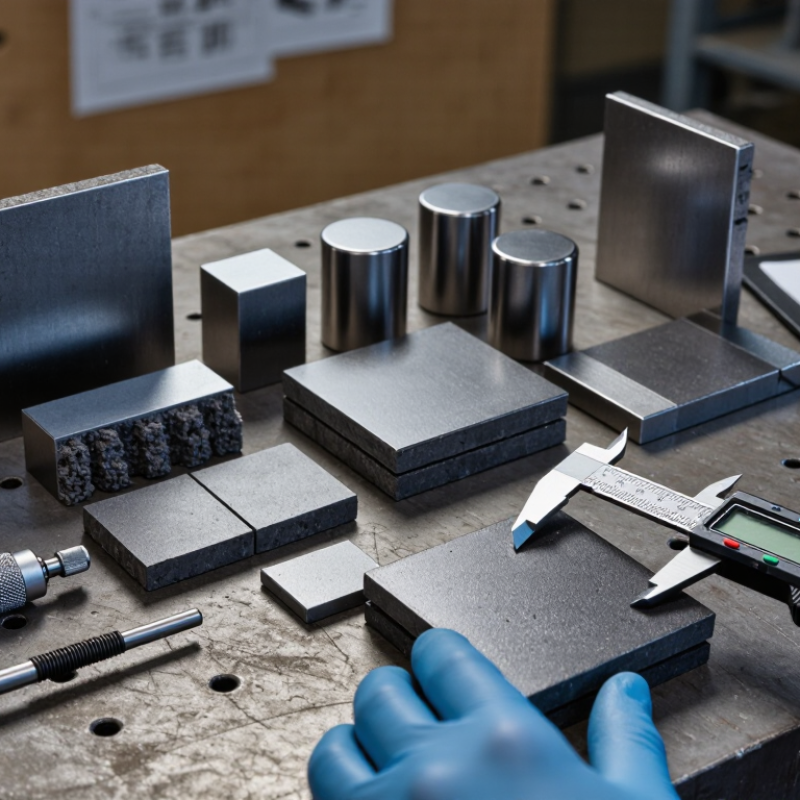
How to Choose Tungsten Tiles for Industrial Use?

Industrial Applications and Performance Requirements for Tungsten Tiles

Industrial tungsten tiles serve demanding roles in furnace zones, high-density shielding assemblies, and equipment exposed to concentrated heat or wear. Selection should start with the real operating conditions: temperature cycles, contact pressure, impact, and chemical exposure. Tungsten’s high density and heat tolerance are useful, but they do not make every tile suitable for every process. That matters.

Tile thickness, dimensions, and mounting method affect performance as much as the material itself. In a hot chamber, uneven heating can stress joints and create local gaps. For shielding installations, seams and tile placement need careful review because small openings can reduce coverage. Tungsten can also be brittle, so unsupported edges or rough handling may lead to chipping. Heavy, too.

Check material composition, tolerances, and test documentation against the application’s requirements. A supplier’s data sheet is a starting point, not proof that a design will work under your exact cycle. A small trial installation can reveal fit or thermal problems before a full build. I would not assume a thicker tile is automatically safer; added mass can increase support loads and complicate installation. Revisit the design after inspecting worn surfaces and joints. Industrial conditions rarely match the neat version on paper.

Key Material Properties That Affect Tungsten Tile Selection

Tungsten tiles are selected by matching material properties to the heat, load, and wear conditions at the installation site. Density matters when a tile must resist impact or provide shielding, but it also increases handling and support requirements. Heavy pieces need secure mounting.

Temperature performance is another key factor. Tungsten has an exceptionally high melting point and retains strength at elevated temperatures, yet its behavior depends on composition and atmosphere. Oxidation can become a concern in hot, oxygen-rich environments. Check operating temperature, exposure time, and surrounding gases rather than relying on a single maximum-temperature figure.

Hardness and toughness need careful balance. A very hard surface may resist abrasion, but some tungsten materials can crack under sharp impacts or uneven support. Not all tungsten tiles are alike. Confirm whether the product is pure tungsten, a tungsten heavy alloy, or tungsten carbide; these materials differ in hardness, density, and fabrication needs. Review the supplier’s test data for thermal conductivity, dimensions, and allowable stresses. Then consider how tiles will be cut, joined, and replaced. A small gap or poor fit can concentrate stress. Prototype testing is worth the effort, even when the specification looks complete.

Choosing Tungsten Tile Grades, Sizes, and Thicknesses

Choosing tungsten tile grades, sizes, and thicknesses starts with confirming what “tungsten” means in the product specification. Many industrial wear tiles are tungsten carbide, not pure tungsten. Ask for the grade data sheet, including hardness, binder content, and fracture toughness. In sliding abrasion, a harder grade may last longer. Under repeated impact, a tougher grade may be safer. There is no universal best grade. Fine details matter.

Match tile size to the equipment surface and installation method. Small tiles can follow curves and simplify replacement, but they create more joints. Large tiles reduce seams, yet may be harder to fit around corners. Choose thickness based on wear allowance, available clearance, and support beneath the tile. A thicker tile is not automatically better; poor backing or uneven contact can lead to cracking. Measure the worn area and check the mounting design before ordering.

Tips: Record the material being handled, impact level, operating temperature, and expected service life. Share these details with a qualified supplier, then compare test data rather than relying on a grade name alone. Check tolerances and edge details, too. I once treated thickness as the main factor; that was an oversimplification. A small trial section can reveal installation problems before a full replacement.

How to Choose Tungsten Tiles for Industrial Use? — Choosing Tungsten Tile Grades, Sizes, and Thicknesses

Material / Grade Typical Composition Typical Density Common Tile Thickness Indicative Tile Sizes Suitable Industrial Uses Selection Considerations
Tungsten heavy alloy, 90W Tungsten-based alloy containing approximately 90% tungsten by weight; commonly alloyed with nickel and iron or nickel and copper. Approximately 16.9–17.2 g/cm³ 3–25 mm Commonly fabricated as small plates or tiles, for example 50 × 50 mm to 200 × 200 mm; larger formats may be custom-made. Counterweights, vibration-damping components, radiation shielding, and general high-density protection. Often selected where high density is required with somewhat easier machining than higher-tungsten-content grades.
Tungsten heavy alloy, 93W Approximately 93% tungsten by weight, with a nickel-based binder; exact binder and grade designations vary by specification. Approximately 17.5–17.8 g/cm³ 3–25 mm Typical stock may include 50 × 50 mm, 100 × 100 mm, and 150 × 150 mm tiles; availability depends on manufacturing route. Compact shielding parts, high-density tooling, and components requiring a balance of density and strength. Check the applicable material specification and required mechanical properties; nominal tungsten percentage alone does not define performance.
Tungsten heavy alloy, 95W Approximately 95% tungsten by weight, generally with a nickel-iron or nickel-copper binder. Approximately 18.0–18.3 g/cm³ 3–25 mm Flat tiles are commonly supplied in cut-to-size formats; dimensions such as 100 × 100 mm or 200 × 100 mm are practical examples, not universal standards. Radiation shielding, inertial masses, precision weights, and dense industrial components. Higher density can reduce the required component volume. Confirm flatness, tolerances, and finishing requirements for assemblies.
Tungsten heavy alloy, 97W Approximately 97% tungsten by weight with a smaller binder fraction; specific formulations differ among material specifications. Approximately 18.4–18.6 g/cm³ 3–20 mm Often produced as custom-cut plates or tiles; maximum dimensions depend on billet size and processing capability. Applications prioritizing very high density, including compact shielding and specialized mass components. High tungsten content does not make the material equivalent to pure tungsten. Verify strength, ductility, and machining limits for the intended service.
Commercially pure tungsten plate or tile Typically at least 99.95% tungsten for high-purity material; purity limits depend on the specified grade. Approximately 19.25 g/cm³ at room temperature 0.5–20 mm, with thicker plate available in some product forms Small cut pieces and custom plates are common; attainable size and thickness depend on powder-metallurgy, rolling, or machining route. High-temperature fixtures, furnace components, electrical contacts, and applications requiring tungsten rather than a heavy alloy. Pure tungsten is dense and has a very high melting point, but it is difficult to machine and can be brittle, especially at lower temperatures.
Tungsten carbide tile, WC-Co grade Tungsten carbide particles cemented with cobalt; carbide grade is specified by binder content, grain size, and applicable standard. Typically approximately 14.0–15.0 g/cm³, depending on composition 3–25 mm Wear tiles are often supplied as small rectangles or squares, such as 25 × 25 mm or 50 × 50 mm; custom shapes and dimensions are also used. Wear liners, chutes, hoppers, slurry-handling equipment, and abrasion-resistant surfaces. Choose based on abrasive wear, impact loading, corrosion, and required hardness. WC-Co is a hardmetal and is not interchangeable with pure tungsten or tungsten heavy alloy.
Tungsten carbide tile, low-cobalt or alternative-binder grade WC with a reduced cobalt binder content or another specified binder system; composition must be confirmed from the grade datasheet. Generally varies with binder type and content; many grades fall around 14–15 g/cm³. 2–20 mm Usually selected from standard wear-tile shapes or made to drawing; tile size and edge geometry affect installation and support. Applications where abrasion resistance is important and the operating environment is compatible with the binder system. Assess corrosion and impact conditions carefully. A lower binder fraction may increase hardness but can reduce toughness.
Practical sizing note: Tile dimensions and thicknesses shown are indicative purchasing ranges, not universal standards. Confirm available stock, dimensional tolerances, flatness, edge finish, joining method, and material certification with the supplier. For shielding, base calculations on the required radiation energy and applicable design standard rather than density alone.

Matching Tile Specifications to Operating Conditions

Match tile specifications to the actual wear mechanism, not a general “heavy-duty” label. For sliding grit, compare carbide grade, grain size, and hardness; for sharp impacts, prioritize toughness and support. A tile that resists abrasion can still chip when mounted over gaps or struck by falling rock. Measure the feed size, drop height, temperature, and moisture at the contact zone. Small details matter.

Ask for binder content, hardness, fracture-toughness data, and lot traceability. Then compare abrasion results using the same test method. ASTM G65 measures dry-sand abrasion, but its results cannot predict every wet, hot, or impact-heavy process. Request the test conditions and reported volume loss, not just a hardness number. Check tile thickness against expected wear allowance and confirm the backing plate supports every edge. Thermal cycling? Check expansion compatibility with the substrate and review the fixing method.

Supply also deserves attention. The USGS Mineral Commodity Summaries 2024 estimated 2023 world tungsten mine production at 78,000 metric tons, including 63,000 from China. That is a supply indicator, not proof of tile performance. Ask about lead times and batch consistency before specifying a large installation. One caveat: laboratory abrasion rankings may not match a wet chute with intermittent impacts. Pilot a small section, inspect chips and wear after a defined operating period, and revise the specification if field results disagree.

Evaluating Quality, Compatibility, and Maintenance Needs

Tungsten tiles earn their place in demanding settings through dependable wear resistance, but the material name alone does not guarantee suitability. Confirm whether the tile is pure tungsten or tungsten carbide; their properties and applications differ. Review composition, density, hardness data, and dimensional tolerances. Look for batch-specific inspection records, not just a general product sheet. Small flaws matter. Check edges and surfaces for chips, cracks, or uneven thickness, especially where tiles must sit flush.

Tips: Match the tile to the actual contact conditions. Note impact, sliding abrasion, operating temperature, and exposure to process fluids. Check the backing material and attachment method, too. Test a small installation first. It can reveal fit or bonding problems before a full production run.

Compatibility includes more than hardness. A very hard tile may resist abrasion yet fail under repeated impact or abrupt temperature changes. Compare the tile’s limits with your equipment’s operating cycle, and ask for technical data when conditions are unclear. Maintenance should be practical: inspect joints and edges during scheduled shutdowns, remove loose debris with a method suited to the assembly, and record chips or movement over time. Don’t assume every cleaning method is safe; aggressive tools can damage the bond or nearby surfaces. I’d also revisit the specification after process changes. That step is easy to overlook.