What is a Filling Machine? Understanding Types, Uses, and Benefits
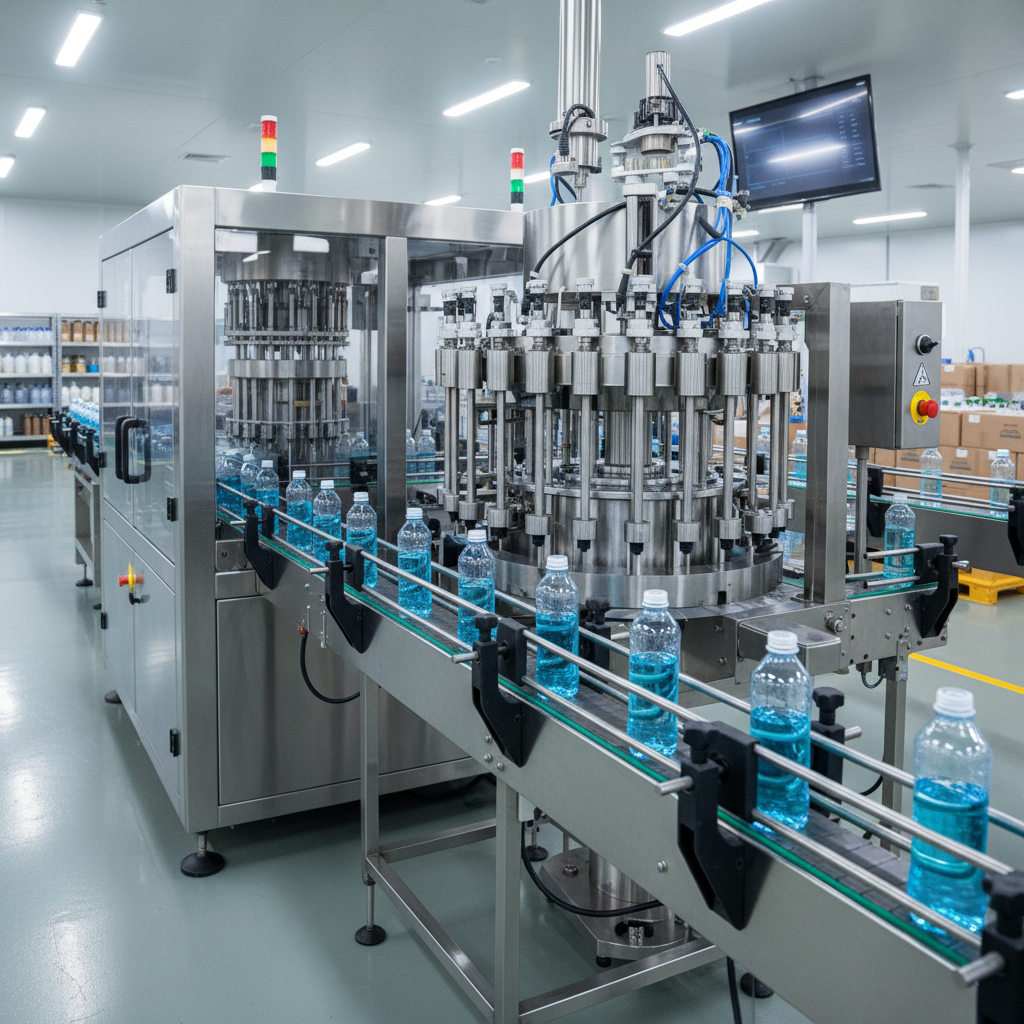
In the world of manufacturing and packaging, the filling machine plays a crucial role in ensuring efficiency and accuracy. As industries continue to evolve, the need for advanced filling technologies has become increasingly evident. A filling machine is designed to dispense a specific amount of product into containers, ranging from liquid substances to powders and granules. Understanding the various types of filling machines, their applications, and the benefits they offer can significantly enhance operational productivity and product quality.
Different industries—from food and beverage to pharmaceuticals and cosmetics—utilize specialized filling machines tailored to their unique requirements. These machines come in various forms, including gravity fillers, piston fillers, and vacuum fillers, each suited for different types of products and container designs. By investing in the right filling machine, companies can streamline their production processes, reduce waste, and ensure consistency in their packaging.
In this article, we will explore the top 10 filling machines available in the market today, examining their functionalities, advantages, and the significant impact they have on manufacturing efficiency. By understanding what a filling machine can offer, businesses can make informed decisions to enhance their production lines and improve overall operational effectiveness.
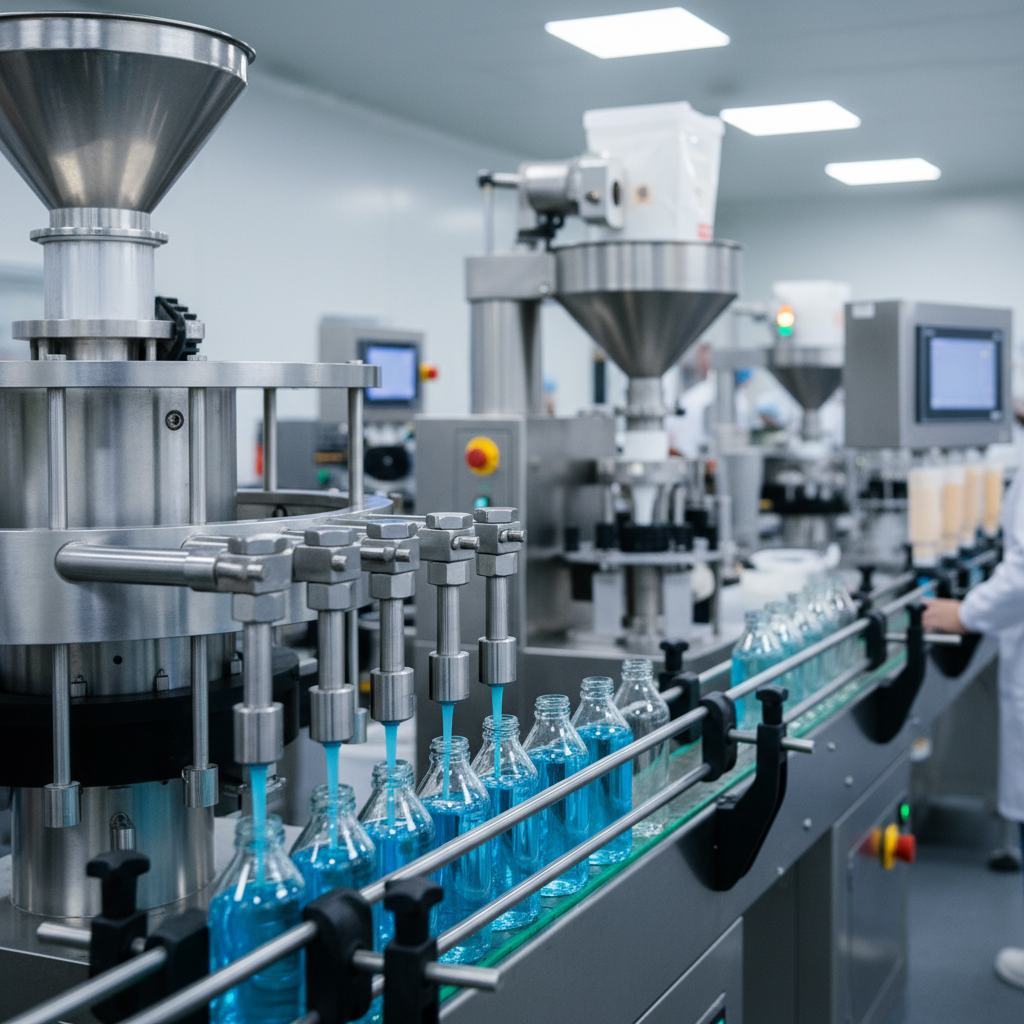
Types of Filling Machines: An Overview of Liquid, Powder, and Granular Options
Filling machines play an essential role in various manufacturing sectors, streamlining the packaging process for liquids, powders, and granular products. According to the latest research from the Packaging Machinery Manufacturers Institute (PMMI), the global market for filling machines is projected to grow by 5.7% annually, reaching approximately $5 billion by 2025. This growth is driven by an increasing demand for automated packaging solutions across food, beverage, cosmetics, and pharmaceutical industries.
Liquid filling machines dominate the market due to their versatility and efficiency. These machines can handle a variety of viscous and non-viscous liquids, including oils, sauces, and beverages. In contrast, powder filling machines are specifically designed to manage dry substances, such as spices, flour, and chemicals, ensuring accuracy and minimal dust generation. A report from Grand View Research indicates that the powder filling machinery sector is expected to witness significant growth, attributed to rising health-conscious consumer tendencies leading to increased demand for powdered supplements and nutraceuticals.
Granular filling machines, on the other hand, are essential for products like sugar, rice, and pet food. The granular filling market benefits from advancements in technology, offering improved speed and precision. According to a market analysis by Technavio, innovations such as weight and volume measurement systems are enhancing the efficiency of these machines, thus catering to diverse industry demands. As manufacturers continue to invest in high-performance filling solutions, these machines are poised to enhance productivity and reduce manual labor costs significantly.
Understanding the Applications of Filling Machines Across Various Industries
Filling machines play a crucial role in various industries by enabling efficient packaging of products ranging from liquids to powders. In the food and beverage sector, these machines are vital for ensuring that products are filled accurately and hygienically, meeting strict safety standards. According to the global market analysis report, the filling and sealing machine market is anticipated to grow from USD 2,327.9 million in 2025 to USD 3,189.7 million by 2035, highlighting the increasing demand for automated packaging solutions.
In pharmaceuticals, capsule filling machines are particularly noteworthy, projected to reach USD 3.2 billion with a compound annual growth rate (CAGR) of 5.9% during the forecast period from 2025. This growth underscores the importance of precision and efficiency in drug manufacturing and delivery. Furthermore, advancements in technology, such as high-speed bag-in-box filling systems, reflect the industry's movement toward greater automation, facilitating higher production rates and reducing labor costs. As industries continue to evolve, the integration of advanced filling machines will remain integral to meeting consumer demands and enhancing production capabilities.
Key Benefits of Using Automated Filling Machines for Production Efficiency
Automated filling machines have revolutionized the manufacturing sector by significantly enhancing production efficiency. These machines streamline the filling process, ensuring that products are filled with accuracy and speed. By minimizing human error and maximizing output, businesses can increase their overall productivity while reducing waste. The automation of filling processes also leads to consistent product quality, crucial for maintaining customer satisfaction and regulatory compliance.
**Tips for Implementing Automated Filling Machines:**
When considering the transition to automated filling, focus on selecting a machine that is compatible with your product type and packaging needs. Regular maintenance of the machinery can prevent costly downtimes, ensuring smooth operations. Additionally, training your staff on the new system is vital; investing in training can enhance efficiency and bolster employee confidence.
The benefits of using automated filling machines extend beyond just efficiency. These machines often come equipped with advanced technology that allows for real-time monitoring and adjustments, optimizing the production line. This adaptability ensures that manufacturers can respond promptly to varying production demands without compromising quality, ultimately leading to enhanced profitability and a stronger market position.
The Impact of Precision Filling on Quality Control and Waste Reduction
Precision filling plays a crucial role in ensuring quality control within various manufacturing processes, particularly in the food and beverage, pharmaceutical, and cosmetic industries. Accurate filling machines are designed to dispense precise volumes of liquids or powders, significantly reducing the variability that can occur during manual filling. This precision not only guarantees that each product meets the specified standards but also enhances customer satisfaction by delivering consistent quality.
Moreover, the implementation of precision filling techniques contributes to waste reduction, a critical aspect of sustainable manufacturing. By minimizing overfilling and spillage during the packing process, companies can optimize their resource usage and decrease material costs. This efficiency leads to less product loss and improved operational effectiveness, allowing businesses to maintain their competitive edge while also supporting environmentally responsible practices. As companies increasingly prioritize both quality and sustainability, the importance of precision filling will continue to grow in significance across multiple sectors.
What is a Filling Machine? Understanding Types, Uses, and Benefits - The Impact of Precision Filling on Quality Control and Waste Reduction
| Type of Filling Machine |
Primary Use |
Key Benefits |
Precision Rate (%) |
Waste Reduction (%) |
| Volumetric Filling Machine |
Liquids, pastes |
High speed, accuracy |
±0.5 |
10 |
| Piston Filling Machine |
Viscous liquids |
Consistent flow |
±1 |
5 |
| Gravity Filling Machine |
Free-flowing liquids |
Low cost, easy to use |
±2 |
15 |
| Aseptic Filling Machine |
Sterile products |
Eliminates contamination |
±0.3 |
12 |
| Tablet Filling Machine |
Capsules, tablets |
High precision |
±0.1 |
8 |
Current Trends in Filling Machine Technology: Innovations and Market Growth
The filling machine market is experiencing significant growth driven by technological innovations and changing consumer demands. Notably, the global dual chamber syringe (DCS) filling machine market is projected to expand from $365.2 million in 2025 to an impressive $643.0 million by 2032. This growth signals an increasing need for efficient and precise filling solutions in the pharmaceutical sector. As manufacturers seek to enhance production capabilities, advancements in filling machine technology are expected to pave the way for improved automation and efficiency.
Similarly, the aerosol filling machines market is forecasted to grow from $3.8 billion in 2025 to $6.0 billion by 2035, reflecting a compound annual growth rate (CAGR) of 4.6%. This trend highlights the rising preference for aerosol products among consumers, leading to a greater demand for sophisticated filling machinery that can handle diverse product formats. Moreover, the tube filling machine market is set to increase from $2.1 billion in 2025 to $3.1 billion by 2035, showcasing the continuous evolution of packaging solutions across various industries. As these markets expand, the focus on automation and innovative filling technologies will be crucial for maintaining competitive advantages in an ever-evolving landscape.
Current Trends in Filling Machine Technology