What is a Form Fill and Seal Machine and How Does It Work?
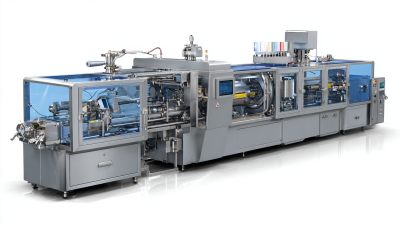
In the rapidly evolving packaging industry, the form fill and seal machine stands out as a critical innovation. This machine automates the processes of forming, filling, and sealing packages, significantly enhancing efficiency. Its role is vital in industries, from food and beverage to pharmaceuticals, ensuring products are packaged quickly and securely.
Understanding how a form fill and seal machine operates is essential for businesses looking to improve their packaging efficiency. These machines use cutting-edge technology to create packages from film rolls. They fill these packages with products and seal them, all in one continuous process. This reduces labor costs and minimizes waste, making it an appealing choice for many manufacturers.
However, despite their efficiency, challenges exist. Maintenance issues can arise, affecting production schedules. Additionally, the choice of materials can significantly impact sealing quality. It's important for businesses to critically evaluate their specific needs before investing in such a machine. Continuous improvements and adjustments are key to maximizing the benefits of form fill and seal machines.
What is a Form Fill and Seal Machine?
A Form Fill and Seal (FFS) machine is vital for modern packaging lines. It efficiently creates pouches or bags from flat roll stock, fills them, and seals them in one integrated process. This reduces manual labor and speeds up production. According to industry reports, the global flexible packaging market is expected to grow significantly, reaching $300 billion by 2025.
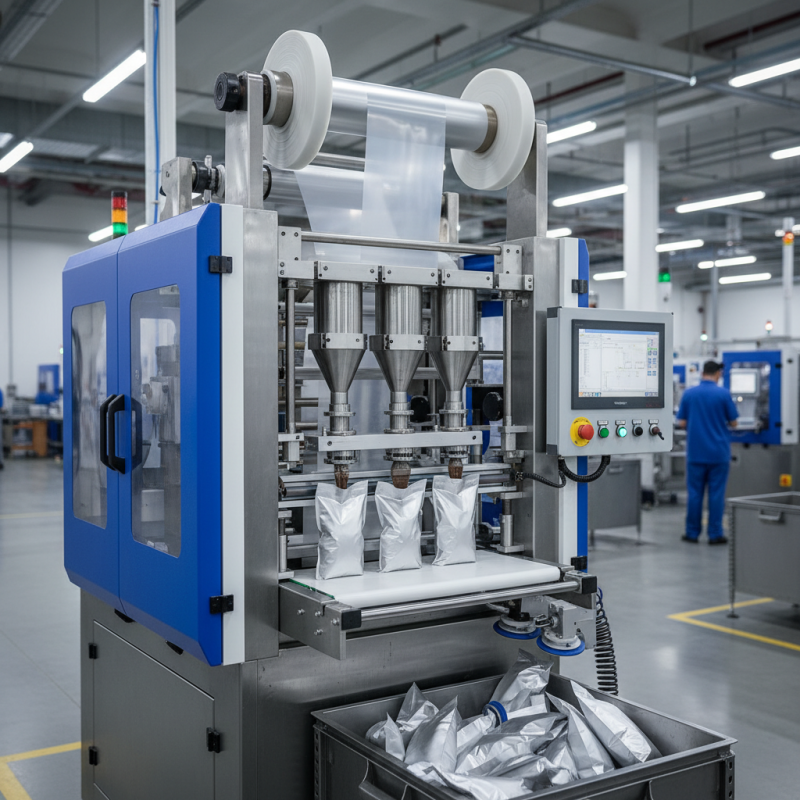
These machines operate by feeding a roll of film into a forming area. The film is shaped into a pouch or bag, which is then filled with product. After filling, the machine seals the pouch tightly. This method improves efficiency and reduces material waste. Studies indicate that FFS machines can achieve up to 95% efficiency in production lines, making them a preferred choice for many manufacturers.
While these machines offer numerous advantages, challenges still exist. Ensuring proper sealing and filling can be complex. Any inconsistency can lead to leaks or spoilage. Operators must monitor the process closely to maintain quality. Continuous training and equipment maintenance are crucial. An operation facing these issues needs to reflect on its processes and improve where necessary. Emphasizing best practices can enhance overall productivity and product integrity.
Form Fill and Seal Machine Usage Statistics
Key Components of a Form Fill and Seal Machine
Form Fill and Seal (FFS) machines are essential in packaging industries. They streamline the process of filling, sealing, and packaging goods. Understanding the key components of an FFS machine helps demystify its operation.
One of the primary components is the film unwinder. This section supplies the flexible packaging material. It is crucial to select the right film type for product safety and aesthetics. The feeding system follows, where pre-measured amounts of the product are delivered for filling. Accuracy here is vital; slight variations can lead to wasted materials or unhappy customers.
Another important part is the sealing unit. This section ensures that packages are airtight and tamper-proof. It applies heat or pressure, often requiring precise adjustments. Lastly, the cut-off knife allows for clean separation of individual packages. However, maintaining sharpness is a common challenge, as dull blades can cause imperfect cuts. Regular inspections and maintenance can help mitigate this issue, ensuring a balance between efficiency and quality.
What is a Form Fill and Seal Machine and How Does It Work? - Key Components of a Form Fill and Seal Machine
| Component |
Function |
Material Type |
Common Applications |
| Hopper |
Holds and feeds raw materials into the machine |
Plastic granules |
FMCG products, snacks |
| Forming Device |
Shapes the packaging material into bags |
Polyethylene, polypropylene |
Beverages, frozen foods |
| Filling System |
Fills the formed bags with product |
Liquid, powder, granules |
Sauces, dry mix, spices |
| Sealing Mechanism |
Seals filled bags to ensure product integrity |
Heat sealable materials |
Snacks, ready-to-eat meals |
| Control System |
Manages machine operations and settings |
N/A |
All applications |
The Operation Process of a Form Fill and Seal Machine
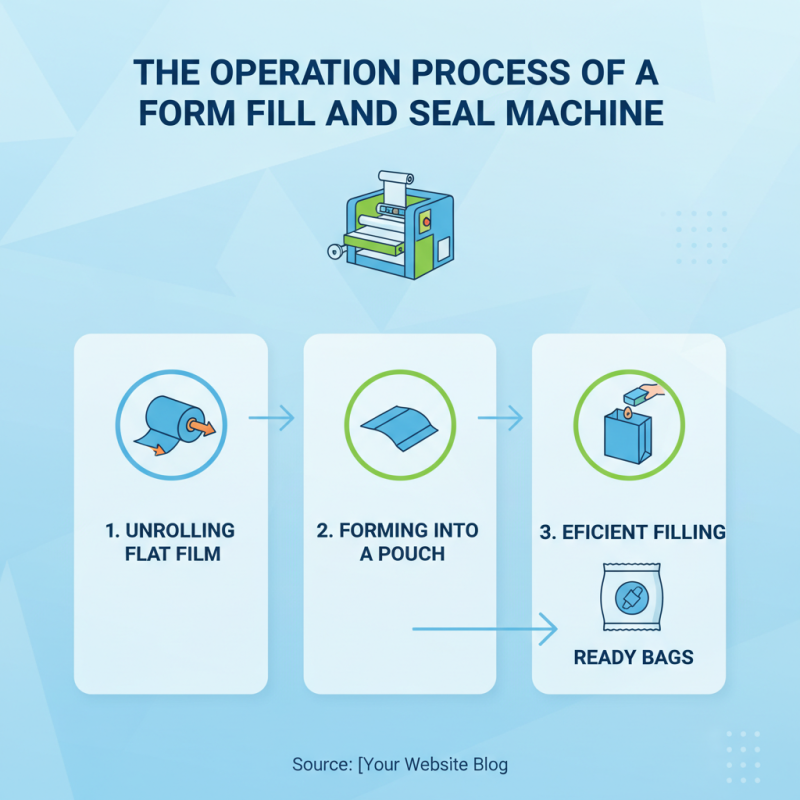
A Form Fill and Seal machine plays a crucial role in packaging processes. It streamlines the production of pre-made bags. The process begins with unrolling a flat film or roll stock. This film is then formed into a pouch, allowing for efficient filling.
After the pouch is formed, it is filled with the desired product. The filling can include liquids, powders, or solids. Once the pouch is filled, it is sealed. Heat or pressure seals the edges together securely. This automatic machine enhances efficiency but can face challenges. Sometimes, a malfunction can lead to incomplete seals or spills. Regular maintenance is essential to minimize these issues.
Finally, the finished package is cut from the continuous roll. It moves swiftly down the production line. Operators monitor the quality to ensure standards are met. However, inexperienced staff may overlook minor defects. Training and experience are vital for optimal performance. As with any machinery, perfection is not guaranteed. Continuous improvement is always needed.
Applications and Benefits of Using Form Fill and Seal Machines
Form fill and seal machines are pivotal in modern packaging. They automate the process of filling containers with products and sealing them, streamlining operations across various industries. According to a report by MarketsandMarkets, the global form fill and seal market is projected to grow to USD 5.4 billion by 2025, indicating a significant reliance on these machines for efficiency.
Industries such as food, pharmaceuticals, and cosmetics benefit from adopting form fill and seal technology.
Automatic machinery reduces labor costs and minimizes human error, enhancing accuracy. For instance, in the food sector, these machines ensure hygiene by limiting direct contact with products, a crucial factor given the rise in health consciousness among consumers.
Despite their advantages, challenges remain within this technology. Maintaining machine efficiency can be difficult without regular maintenance. Moreover, the initial investment in quality machines can be a hurdle for small businesses. Operators must also undergo training to manage these advanced systems effectively. Balancing these factors with the benefits is essential for companies aiming to stay competitive.
Maintenance and Troubleshooting for Form Fill and Seal Machines
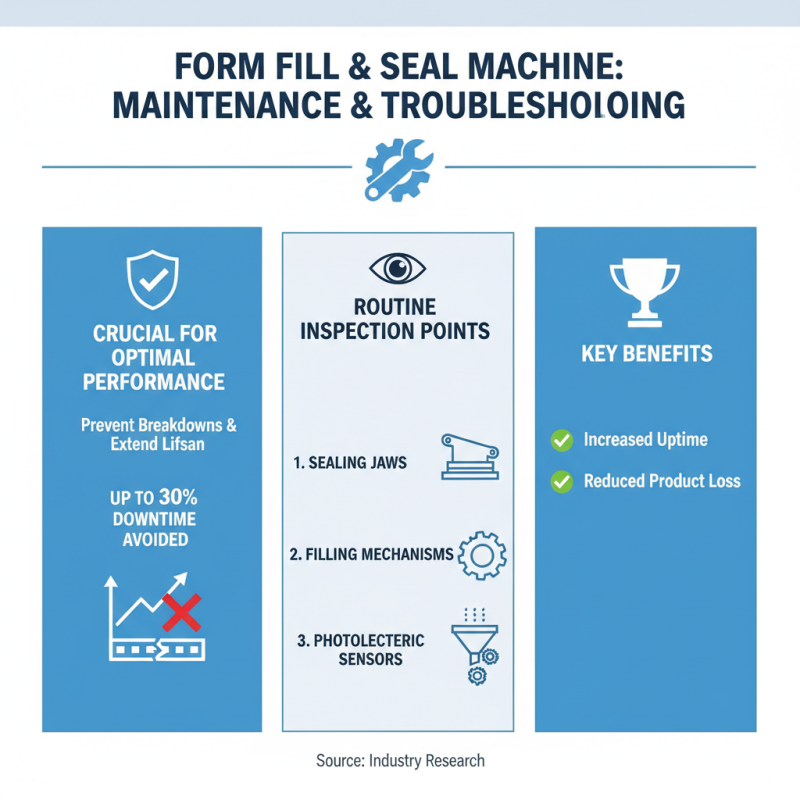
Proper maintenance of Form Fill and Seal (FFS) machines is crucial for optimal performance and longevity. Regular checks on critical components can prevent unexpected breakdowns. According to industry research, poorly maintained machines can result in production downtimes of up to 30%. This potential loss emphasizes the importance of routine inspections. Key components to evaluate include the sealing jaws, filling mechanisms, and photoelectric sensors.
Troubleshooting common issues often revolves around understanding machine behavior. For instance, if the package seal integrity fails, operators should inspect the temperature settings and pressure calibration. Irregular filling may indicate blockages in the filling nozzle or improper calibration. Ensuring these elements are functioning properly will mitigate downtime and enhance production efficiency.
**Tips:** Keep spare parts on hand. This can drastically cut down on repair times. Document routine maintenance and any issues faced. This log can help identify patterns over time. A culture of proactive maintenance can lead to fewer disruptions.