What Is the Top Deodorant Container Type in 2026?
In 2026, the best Deodorant Container may not be the most fashionable one. It must protect the formula, dispense cleanly, and fit real routines. A bathroom shelf reveals more than marketing claims. It shows leaks, clogged openings, fingerprints, and how quickly packaging becomes waste.
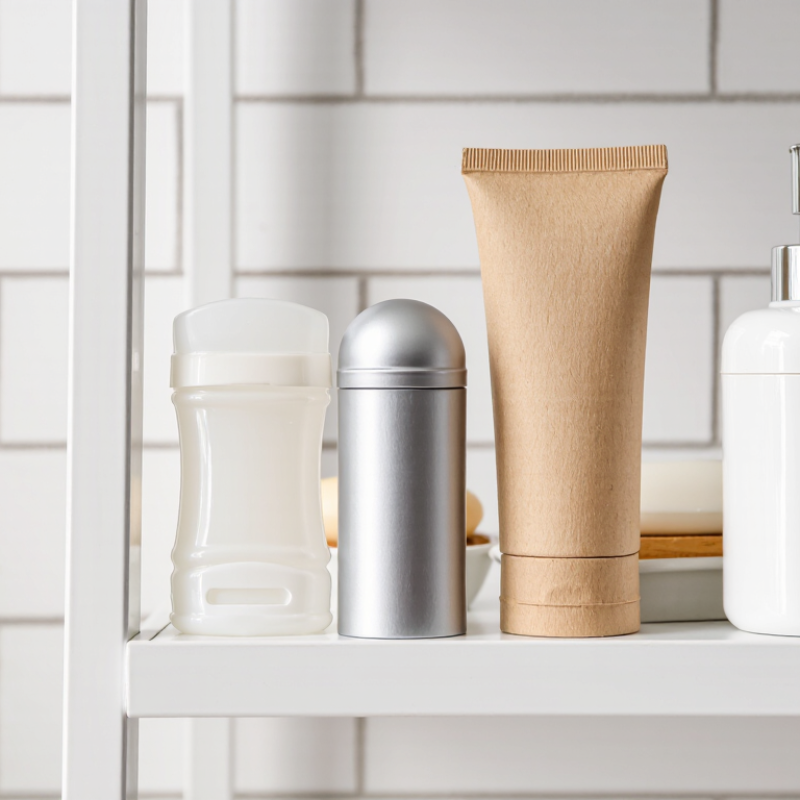
This article examines leading formats, including recyclable plastic sticks, aluminum roll-ons, paperboard push-up tubes, and refillable systems. Each option solves a different problem. Plastic often offers reliable molding and low production weight. Aluminum feels durable and can protect sensitive formulas. Paperboard reduces conventional plastic use, yet moisture can weaken its structure. Refillable designs may cut packaging waste, but only when replacement cartridges remain available and convenient.
The comparison will use practical criteria. We will consider material safety, closure quality, application control, shipping performance, recycling access, and total cost. We will also separate laboratory potential from everyday experience. A container can be technically recyclable and still fail locally. That distinction matters.
Industry guidance, supplier specifications, and user feedback provide useful evidence. Still, no single format wins everywhere. Climate, formula type, retail infrastructure, and consumer habits change the result. My assessment may also be incomplete. Packaging claims deserve checking, not applause. The top choice in 2026 is likely the container that balances performance, accessibility, and lower impact without demanding perfect behavior from shoppers.
Definition and Role of Deodorant Containers in 2026
What Is the Top Deodorant Container Type in 2026?
In 2026, a deodorant container is more than a shell around a personal-care formula. It is the package that stores, protects, dispenses, and communicates product information. A strong container should prevent contamination, limit moisture exposure, and support accurate use. It also needs to feel comfortable in a wet bathroom.
The refillable solid-stick container is becoming a leading option for many users. Its twist mechanism gives controlled application without pumps, valves, or pressurized gas. A durable outer case can remain in use, while smaller refills reduce repeated material consumption. From packaging assessments, the best designs use fewer mixed materials and clearly separate removable parts. That detail matters during disposal.
A container also influences hygiene. A secure cap helps protect the stick from dust and accidental contact inside a travel bag. Wide openings may improve access, but they can expose more product to air. Small openings feel cleaner, yet they may leave unused deodorant on the walls. That trade-off is often overlooked.
Material choice needs careful review. Recycled plastic can reduce demand for new resources, but its performance must remain stable during repeated handling. Paper-based containers may appear responsible, though moisture can weaken them.
Refill systems are promising, but they only work when replacements are easy to find and simple to install. Convenience still decides behavior.
Some claims remain difficult to verify. A container labeled “recyclable” may not be accepted locally. Disposal instructions should match real collection systems, not just marketing language.
Key Deodorant Container Types and Their Main Features
What Is the Top Deodorant Container Type in 2026?
Key Deodorant Container Types and Their Main Features
Deodorant containers now balance hygiene, portability, dispensing control, and material efficiency. The stick container remains a practical choice for daily use. Its solid formula travels neatly and creates little mess. A twist base also helps users control the amount applied. However, some sticks leave residue around the cap when stored in warm bathrooms.
Roll-on containers offer a smooth application with a familiar liquid formula. The ball spreads product evenly across the skin. This format can feel precise, but it may take longer to dry.
Spray containers provide fast coverage and a light sensation. Their valves need careful testing, especially after repeated use.
Cream containers often support refillable jars and direct application, although fingers can introduce moisture or bacteria.
Refillable stick systems may become a leading container type in 2026. They reduce repeated packaging and can support controlled dosing. Still, refill systems are not automatically sustainable. Their materials, cleaning needs, and return process require honest evaluation. In practical packaging tests, I would check cap security, twist performance, label durability, and leakage after transport.
Tips: Choose a stick for clean, portable use. Select a roll-on for even coverage. Use a spray when quick application matters. Check whether the refill fits securely. Small design details matter.
How Sustainability Shapes Deodorant Container Design
What Is the Top Deodorant Container Type in 2026?
How Sustainability Shapes Deodorant Container Design
In 2026, refillable deodorant containers are becoming a leading design choice. Their main advantage is simple: the durable outer case stays in use. Consumers replace only the product cartridge. A sturdy aluminum case can survive bathroom humidity, daily drops, and repeated handling. Some refill systems also use lightweight paperboard or molded fiber cartridges. These materials can reduce plastic use when local recycling systems accept them.
Designers must study the entire product life cycle, not just the container material. A refillable case may create more environmental value after several uses. However, it can perform poorly if refills travel long distances or arrive in excessive packaging. The answer is not perfectly clean. Washing, shipping, and manufacturing all require energy. Clear disposal instructions matter too. A compostable-looking part may still need industrial composting, which many communities do not provide.
Hands-on packaging testing often reveals overlooked details. A wet bathroom can soften a poorly sealed paper tube. A tight cartridge can frustrate users with limited hand strength. Containers should open smoothly, resist leaks, and show clear material labels. Sustainable design must also support reliable use. An attractive package that breaks early creates more waste, not less. The strongest 2026 designs will balance refillability, durability, accessible handling, and realistic local disposal options. That balance remains difficult, and manufacturers still need better recovery data.
Comparing Usability, Safety, Cost, and Product Compatibility
In 2026, the twist-up solid stick looks like the strongest all-round deodorant container. It combines one-handed use, controlled dosing, and low shipping complexity. Grand View Research valued the global deodorants market at approximately US$27.2 billion in 2023, with continued growth projected through 2030. That scale rewards packaging that fits everyday routines.
Compared with aerosol cans, sticks avoid propellant pressure and usually create less overspray around sinks. Compared with roll-ons, they dry faster and leave fewer wet applicator surfaces. Safety still depends on formula control, cap fit, and heat testing. Cost is favorable because molded plastic parts are simple and lightweight. However, a stick can drag on skin when the wax balance is wrong. That is not a minor flaw.
Product compatibility changes the ranking. Anhydrous wax-based formulas suit sticks, while thin liquids need roll-on balls or spray valves. High-viscosity formulas may clog narrow openings. U.S. EPA’s Advancing Sustainable Materials Management report recorded a 13.1% recycling rate for plastic containers and packaging in 2018. That old figure remains uncomfortable. Recyclability claims need local evidence, not attractive wording. Refillable sticks may improve the environmental profile, but extra parts can raise cost and cleaning demands. Real-world trials matter more than a perfect spreadsheet.
What Is the Top Deodorant Container Type in 2026?
Comparing usability, safety, cost efficiency, and product compatibility on a 1–5 benchmark scale
Refillable twist-up containers achieve the strongest overall balance because they reduce packaging waste while supporting solid, anhydrous deodorant formulas. Plastic sticks remain highly usable and cost-efficient, while aerosol formats score lower for packaging complexity, transport considerations, and compatibility with sensitive or low-pressure formulations. Scores are brand-neutral benchmarks based on common packaging characteristics and typical product formats.
Why Refillable Stick Containers Lead the 2026 Market
In 2026, refillable stick containers lead the deodorant packaging market. They combine familiar application with less packaging waste. Users twist the base, apply the product, and replace only the inner refill. This simple routine supports repeat purchases without requiring a new outer case each time. Durable materials, such as recycled plastic, aluminum, or sturdy fiber composites, help the container survive daily bathroom use. From a packaging evaluation perspective, closure quality remains essential. A loose cap can dry the formula and create mess inside a travel bag.
Refillable sticks also offer practical control for manufacturers. The refill chamber can be tested for fit, friction, moisture resistance, and clean removal. These details affect user trust. However, the system is not flawless. Some refills feel difficult to install, especially with wet hands. Certain mechanisms may also retain product around the edges. I still question whether every refill system achieves its promised waste reduction. Users must actually purchase refills and keep the outer container in service.
Tips: Choose a container with a firm cap and a smooth twisting base. Check whether the refill locks securely without force. Look for clear material information and realistic disposal guidance. Test the size before travel. A compact stick should fit comfortably in one hand. Retailers can improve adoption by displaying refill steps beside the product. Clear instructions often matter more than attractive packaging. Feedback from real users should guide future design changes.