Top 10 Packaging Equipment Trends You Should Know Now?

In today's rapidly evolving market, the role of packaging equipment is increasingly crucial. The global packaging equipment industry has witnessed significant growth, projected to reach $60 billion by 2025, according to industry reports. Factors driving this trend include the rise of automation and the need for sustainability. Companies are investing more in advanced packaging solutions to enhance efficiency and reduce waste.

Packaging equipment manufacturers are adapting to various consumer demands. For instance, e-commerce has surged, requiring more innovative and user-friendly packaging designs. However, with these advancements come challenges. Many businesses struggle to keep up with the latest technologies. Data from market analyses indicates that 44% of manufacturers face issues integrating new packaging equipment into existing systems. This disconnect can lead to increased costs and inefficiencies.

As we explore the top 10 packaging equipment trends, we must recognize the importance of innovation, adaptability, and strategic investment in this sector. Staying informed about these trends is essential for businesses aiming to thrive in a competitive landscape. Embracing change and addressing challenges will ultimately define success in the packaging industry.
Top 10 Packaging Equipment Trends You Should Know Now?

Emergence of Sustainable Packaging Solutions in Modern Equipment

The rise of sustainable packaging solutions in modern equipment reflects a significant shift in the manufacturing landscape. Market research indicates that sustainable packaging is expected to see a growth rate of 5.7% over the next five years. This trend is driven by increasing consumer demand for environmentally friendly options. Many companies are reexamining their supply chains to reduce plastic waste, emphasizing recyclable materials and reduced carbon footprints.

Innovations in machinery are central to this shift. Automated packaging equipment now integrates biodegradable materials with precision technology. Reports show that 54% of food and beverage companies focus on sustainability as a key metric for equipment investment. However, obstacles remain. Not all manufacturers have access to these advanced technologies, which can lead to inconsistencies in sustainability practices. Companies must continuously adapt to meet these demands while ensuring efficiency and cost-effectiveness.

Additionally, the challenge of sourcing sustainable materials is complex. Despite the push for eco-friendly packaging, some businesses struggle with availability and pricing. Many still rely on traditional packaging methods due to fear of increased costs. This reluctance can hinder progress toward broader industry goals. The journey toward full sustainability in packaging requires a collective effort, ongoing innovation, and a willingness to reassess current practices.

Integration of Smart Technology and IoT in Packaging Machinery

The integration of smart technology and IoT in packaging machinery marks a revolutionary step for the industry. Manufacturers can now monitor equipment in real time. Sensors collect data on speed, efficiency, and malfunctions. This data allows for predictive maintenance, minimizing downtime and reducing costs. However, not all companies have adapted quickly to these advancements.

Some businesses struggle with the initial costs of smart technology. They may find it daunting to overhaul existing systems. Seamless integration is not always guaranteed. Training staff to use new technologies becomes a challenge. As these tools evolve, some may feel overwhelmed by rapid changes, leading to resistance.

Despite the hurdles, the advantages are undeniable. Companies that adopt these technologies can improve their production lines significantly. Reducing waste and enhancing traceability of products are key benefits. The trend towards smart packaging machinery will continue as more firms realize its value. Those who delay risk falling behind their competitors. Adopting IoT solutions may present challenges, yet the potential rewards are transformative.

Advancements in Automation and Robotics within Packaging Processes

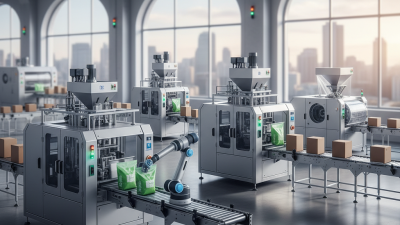
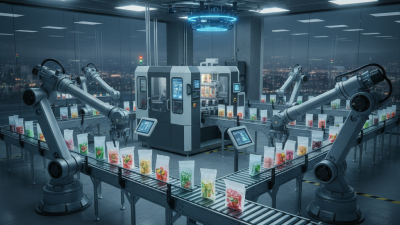
The packaging industry is witnessing remarkable advancements in automation and robotics. These technologies are reshaping how products are packaged, making processes faster and more efficient. For instance, automated machinery can handle repetitive tasks, reducing manual labor. This leads to a decrease in human error and boosts productivity. However, there are still challenges to overcome.

Many manufacturers are integrating robotics into their production lines. These robots perform precise tasks quickly, such as sorting and palletizing. However, integrating robots requires careful planning. Many companies face difficulties in training staff to work alongside these machines. Additionally, there is the risk of over-reliance on technology, which can lead to vulnerabilities if systems fail.

Moreover, automation can sometimes lack the flexibility needed for custom packaging solutions. While robots excel in routine tasks, they may struggle with unique designs or changes in products. As the industry evolves, it is crucial for businesses to find a balance between automation and human touch. This blend is essential for meeting diverse consumer demands while maintaining efficiency and quality in packaging operations.

Top 10 Packaging Equipment Trends You Should Know Now
Trend Description Impact Future Outlook
Increased Automation Integration of automated systems for more efficient packaging processes. Higher productivity and reduced labor costs. Growing adoption in SMEs and large enterprises.
Robotics Integration Use of robotics for tasks such as palletizing and packing. Improved accuracy and reduction in human error. Continued innovation leading to smarter robots.
AI and Machine Learning Utilization of AI for predictive maintenance and efficiency optimization. Reduced downtime and increased operational efficiency. Growth in data-driven decision-making within packaging.
Sustainability Initiatives Focus on eco-friendly materials and processes. Lower environmental impact and improved brand image. Increasing regulations driving change across the industry.
Internet of Things (IoT) Connection of packaging equipment for real-time monitoring. Enhanced tracking and efficiency across supply chains. Increased connectivity towards smart manufacturing.
Customizable Packaging Solutions Flexibility in packaging design to meet consumer preferences. Higher customer satisfaction and potential for premium pricing. Increased competition pushing more customization options.
Enhanced Safety Features Implementation of safety mechanisms in packaging to protect products. Reduced product damage and improved consumer trust. Regulatory standards pushing for better safety practices.
Augmented Reality (AR) Use of AR for design and operational training purposes. Enhanced training capabilities and product engagement. Potential for broader application in marketing as well.
Real-time Data Analytics Collection and analysis of data from various packaging processes. Informed decision-making and process optimization. Continued innovation in data analysis tools.
Flexible Packaging Systems Development of equipment that accommodates various package styles. Capability to handle changing market demands. More industries shifting towards flexible systems.

Customization and Flexibility in Packaging Equipment Design

Customization and flexibility are transforming packaging equipment design. Businesses today face diverse market demands. A one-size-fits-all solution no longer works. Packaging lines must adapt swiftly to changing products and consumer preferences. Custom solutions allow for unique shapes, sizes, and materials. This personalization can enhance brand identity and improve user experience.

Flexibility in machinery is key. It enables companies to switch between different package types with ease. This adaptability minimizes downtime during reconfigurations. Investing in modular systems can optimize production lines. Many manufacturers still rely on outdated equipment. They may struggle with limited capabilities and inefficiencies. Regular assessments of existing machinery can uncover necessary updates.

Moreover, customization supports sustainability goals. Eco-friendly materials are more accessible, encouraging responsible packaging choices. However, balancing flexibility and sustainability remains a challenge. Packaging equipment must be designed with durability while being adaptable. Companies need to remain vigilant about their choices. Each decision can impact not only the bottom line but also environmental footprints. Adaptation in design is not just a trend; it’s a necessity in today's fast-paced market.

Trends Towards Enhanced User Experience in Packaging Operations

The landscape of packaging operations is rapidly evolving. Enhanced user experience has become a pivotal focus. According to a recent report by Smithers Pira, 72% of consumers are more likely to buy a product based on its packaging. This statistic highlights the significance of design and functionality in creating a positive user experience.

Many organizations are investing in smart technology for packaging. Features such as QR codes and NFC tags provide interactive experiences for consumers. These technologies can inform customers about product origin and sustainability. A Nielsen report indicates that 66% of consumers are willing to pay more for sustainable products. However, integrating these technologies is not without its challenges. Companies must ensure that the user experience is intuitive and the information is easily accessible.

Automation in packaging is also trending. While it increases efficiency, it can create a disconnect between technology and users. Workers may feel alienated from machines and processes. Investing in workforce training and establishing feedback loops can help bridge this gap. Balancing automation with a human touch is essential for maximizing the benefits of enhanced packaging operations.