Top Process Calibrators for Global Buyers?
Choosing the top Process Calibrators for global buyers requires more than comparing screen size, price, or advertised accuracy. These instruments verify pressure, temperature, electrical, and signal measurements in demanding industrial environments. A refinery technician may work beside vibrating pumps, while a pharmaceutical engineer may need clean, documented calibration evidence.
Traceability matters.
The 2023 ISO Survey recorded 1,265,216 ISO 9001 certificates worldwide. This scale highlights the growing need for controlled measurement processes and reliable records. The International Bureau of Weights and Measures, through the SI Brochure, defines the measurement system supporting global traceability. Meanwhile, ISO/IEC 17025 remains a key reference for competent calibration laboratories. Buyers should therefore examine uncertainty data, adjustment procedures, calibration certificates, and software controls before selecting equipment.
Field conditions matter more.
Leading models increasingly combine HART communication, loop testing, data logging, and automated documentation. NIST Handbook 105-2 also emphasizes suitable technical practices for calibration standards and laboratory equipment. These references do not identify one universal winner. They provide a stronger framework for judging performance, repeatability, serviceability, and traceability.
A practical comparison should include battery endurance, environmental protection, connector durability, and local technical support. A calibrator that performs well in a laboratory may struggle in a humid plant room. That limitation is easy to overlook. Global buyers should also verify regional certifications, language options, warranty terms, and spare-part availability. Some market comparisons rely heavily on manufacturer specifications, which can hide real-world workflow problems. This guide therefore evaluates Process Calibrators through measurable performance, documented evidence, and hands-on usability. The ranking may not suit every application, and that is worth admitting.
What Are Process Calibrators and Why Do Global Buyers Need Them?
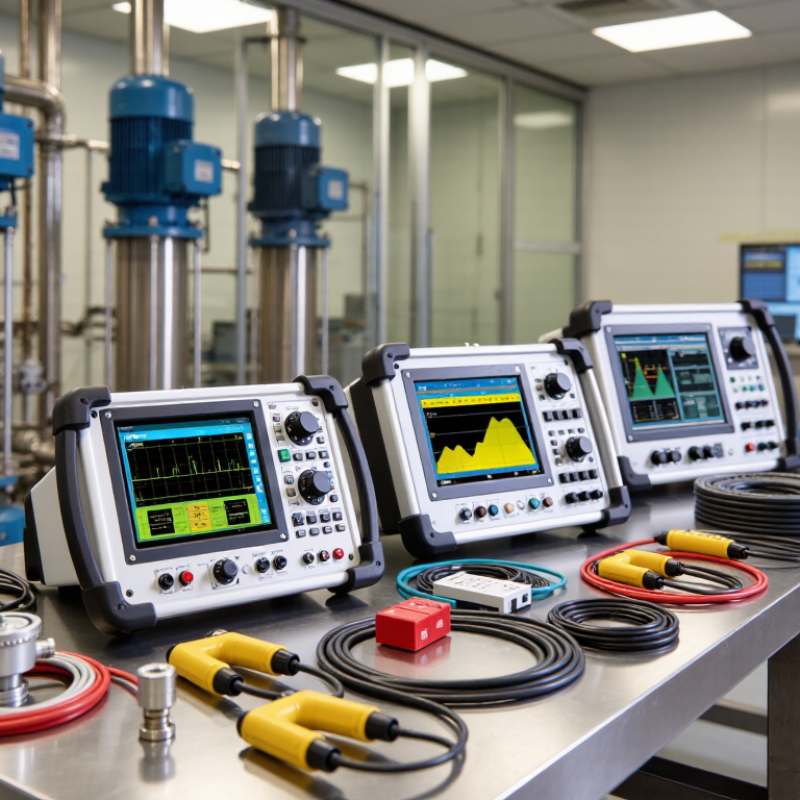
Process calibrators generate and measure signals used to verify industrial instruments. They may simulate pressure, temperature, current, voltage, or frequency. Technicians use them beside pumps, control valves, transmitters, and sensors. A reliable calibrator helps confirm whether a reading reflects the process or a faulty instrument. Grand View Research estimated the global industrial automation market at USD 218.6 billion in 2023. That scale increases the need for consistent measurement across factories and borders. Deloitte’s 2024 Smart Manufacturing Survey found that 92% of manufacturers view smart manufacturing as a major competitiveness driver within three years. Calibration supports that ambition, although digital systems cannot correct poor field practice.
Tips: Check measurement range, accuracy, resolution, and uncertainty before buying. Request calibration certificates traceable to national or international standards. Verify operating temperature, battery life, ingress protection, and local service access. A lower purchase price can become expensive when recalibration takes weeks. No checklist is perfect.
Global buyers should compare specifications under identical test conditions. Terms such as “high accuracy” can hide different reference temperatures or uncertainty methods. ISO/IEC 17025-accredited laboratories provide stronger evidence of technical competence. NIST Handbook 105-2 also explains relevant expectations for intrinsically safe test equipment. Import rules, electrical classifications, language, and regional support can affect deployment. Reported market figures vary by research provider, so procurement teams should treat forecasts carefully. The instrument matters, but technician training matters too. Even experienced teams sometimes overlook lead resistance, unstable sources, or worn test leads. That small oversight can distort a critical decision.
Key Types of Process Calibrators and Their Measurement Functions
Global buyers should match a process calibrator to the measured variable, range, and uncertainty target. Electrical multifunction calibrators test voltage, current, resistance, frequency, and loop signals. They help verify transmitters, indicators, and control-system inputs. A 2023 ISO Survey recorded 1,265,216 ISO 9001 certificates worldwide. That scale makes documented measurement control increasingly important.
Temperature calibrators use dry blocks, liquid baths, or reference sensors. They check probes across defined temperature points. Pressure calibrators combine a pressure source with a precise reference gauge. They support testing for transmitters, switches, and safety instruments. Portable loop calibrators can source or measure 4–20 mA signals. Some also provide 24-volt loop power. It sounds simple.
Multifunction units reduce equipment changes, but they may sacrifice portability or range. Dedicated units often offer better stability for one variable. Frequency and pulse calibrators serve flowmeters and speed sensors. Insulation and high-voltage testers address electrical safety measurements, not ordinary process loops. NIST Technical Note 1297 stresses evaluating uncertainty from every relevant component, including resolution, repeatability, and environmental effects. Buyers should request calibration certificates with traceability to national or international standards, preferably from an ISO/IEC 17025-accredited laboratory. A neat specification can still mislead. Field temperature, damaged leads, and rushed setup can dominate the result. Testing the complete measurement chain remains essential.