What Is a Vertical Form Fill Seal Machine?
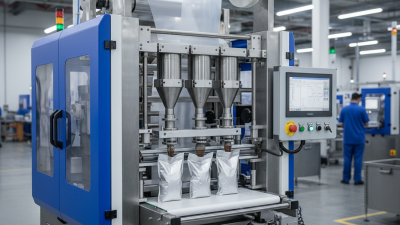
A vertical form fill seal machine creates bags from a continuous roll of flexible film. It forms, fills, and seals each package in one coordinated cycle. The film travels downward around a forming collar. A dosing system then releases the product into the shaped pouch. Heat jaws close the package, while knives separate individual bags.
PMMI Vice President Jorge Izquierdo has described the purpose of automation this way: “The real value of automation is consistent, repeatable performance.” That principle explains why manufacturers use a vertical form fill seal machine for snacks, coffee, grains, powders, frozen foods, and other products. However, speed is not the only measure of success. A fast machine can still create weak seals, uneven weights, excessive film waste, or difficult changeovers.
In practical operation, technicians watch the film tension, temperature, jaw pressure, and product flow. A small adjustment can prevent hundreds of leaking packages. Moisture, dust, and irregular product shapes may also affect performance. The correct machine depends on the product, bag style, target weight, film structure, and production environment.
The technology sounds simple.
It is not always simple.
A reliable evaluation should include sanitation access, safety controls, spare parts, operator training, and long-term service support. Some purchasing decisions focus too heavily on hourly output. That can be a mistake. Real performance includes uptime, seal quality, waste reduction, and stable operation across changing products. This guide explains how a vertical form fill seal machine works, where it fits, and what buyers should examine before selecting one.
What Is a Vertical Form Fill Seal Machine?
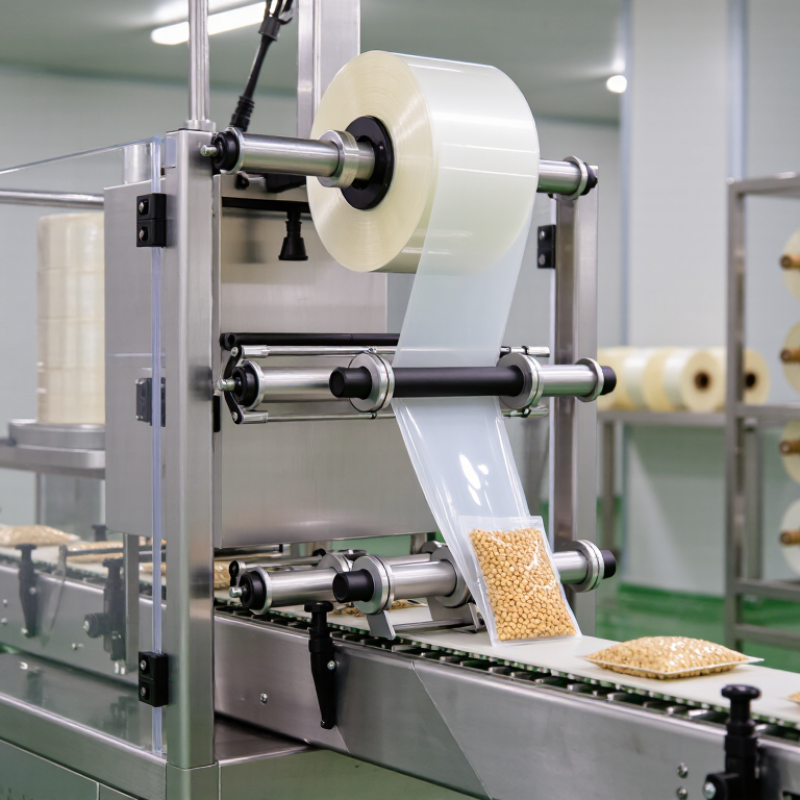
A vertical form fill seal machine turns a flat roll of packaging film into filled, sealed bags. The film travels downward around a forming tube, creating a continuous sleeve. A measured portion of product drops through the tube, and heated sealing jaws close the package. The machine then cuts the sealed section free.
Simple in principle.
This setup suits products that flow or can be portioned consistently, such as grains, powders, snacks, and small hardware. Bag size depends on the film width and machine settings. Operators adjust film tension, filling volume, and seal temperature to match the product and packaging material.
A seal that looks closed may still leak, so routine checks matter. Test samples. Look closely.
In daily use, the machine needs clean contact surfaces and steady film tracking. Crumbs or powder near the sealing area can weaken a seal. Humidity and product shape can also affect how smoothly items drop through the forming tube.
These details are easy to overlook. Even experienced operators may need several trial runs after a product change. That is not a failure; it is part of dialing in a reliable package.
The best results come from watching the finished bags, not just trusting the control panel.
How a Vertical Form Fill Seal Machine Works
A vertical form fill seal machine turns a flat roll of packaging film into filled, sealed bags in one continuous process. The film unwinds over a forming collar and wraps around a vertical tube. A longitudinal seal closes the film into a sleeve. Product then drops through the tube by gravity, often measured by a scale or volumetric dosing system.
Timing matters. Once the measured portion enters the bag, heated jaws close across the film to create a bottom seal for the next pouch and a top seal for the filled one. A cutter separates each package. Sensors track film position and jaw temperature; operators adjust these settings when film thickness, product flow, or room conditions change. A seal can look neat and still be weak.
PMMI’s 2024 State of the Industry report estimated U.S. packaging machinery shipments at about $10.9 billion in 2023, reflecting broad investment in packaging equipment. That figure covers many machine types, not vertical form fill seal systems alone. In practice, a short test run helps confirm fill weight, seal strength, and film tracking before full production. Small adjustments matter. A little product caught in the seal area can cause leaks, and real lines do not always behave as neatly as diagrams suggest.
What Is a Vertical Form Fill Seal Machine?
How a Vertical Form Fill Seal Machine Works
A VFFS machine forms a tube from roll-fed packaging film, seals it, fills it with product, then seals and cuts the package. The bars show the order of these process steps—not their duration or output.
Key Components of a Vertical Form Fill Seal Machine
What Is a Vertical Form Fill Seal Machine?
Key Components of a Vertical Form Fill Seal Machine
A vertical form fill seal (VFFS) machine turns flat packaging film into filled, sealed bags. Its main stations are the film unwind, forming tube, pull belts, dosing unit, sealing jaws, and cutter. The unwind feeds film from a roll, while a forming collar shapes it around the tube. Pull belts control film movement, and the dosing unit drops measured product through the tube. Heated jaws make the seals; a knife separates each finished pack. A control system, often using a PLC, sensors, and an HMI, coordinates temperature, timing, and filling cycles.
Small alignment errors matter. Wrinkled film can weaken seals or shift printed graphics. PMMI’s 2024 State of the Industry report estimated North American packaging machinery shipments at about $10.9 billion in 2023. That figure covers many machine types, not VFFS equipment alone, but it reflects investment in automated packaging. It is easy to blame the film when a seal fails; jaw pressure or temperature may be the real cause.
Tips: Test settings with the actual film and product. Clean photo-eye lenses, and record settings after changeovers. Operators can miss small shifts during a busy run.
Benefits, Limitations, and Common Applications
What Is a Vertical Form Fill Seal Machine?
Benefits, Limitations, and Common Applications
A vertical form fill seal machine turns a flat film roll into sealed bags. The film forms a tube, receives a measured product, and closes with heat. In daily production, operators often value its compact footprint and steady output. It can reduce manual filling, improve portion consistency, and limit product exposure. Some models handle powders, granules, liquids, and small solid items with suitable forming tubes.
The main benefit is flexibility. One machine may produce pillow bags, gusseted bags, or block-bottom packs after tooling changes. It also supports clear inspection, controlled sealing temperatures, and automatic date coding. Hygiene can improve when the product path is enclosed. However, results depend heavily on film quality and calibration. Moisture, dust, uneven particles, or weak seals can cause leaks. Changeovers also take time, especially when bag sizes differ significantly.
It has limits.
A vertical system may struggle with fragile products or materials that bridge inside the hopper. Fast operation does not guarantee accurate packaging. That assumption can be costly. Skilled operators still check seal width, fill weight, film tracking, and rejected bags during each shift. Common applications include snacks, grains, coffee, detergents, pet food, and agricultural seeds. In my experience, the best choice follows the product’s behavior, not just the target speed. A careful trial with real materials often reveals problems that a specification sheet misses.