What are the Best Packaging Solutions for Global Buyers?
In today's interconnected world, global buyers face unique challenges when sourcing products. One critical aspect is finding effective packaging solutions. The right packaging not only protects goods but also enhances brand image. Various materials and designs are available, but not all options are suitable for every product.
Choosing the best packaging solutions requires understanding market trends and consumer preferences. It is essential to consider factors such as sustainability, cost, and functionality. Many buyers may prioritize packaging that reduces environmental impact. However, overemphasizing this can lead to unforeseen challenges in logistics.
Exploring innovative options is key. Creative designs can make products stand out on the shelves. Yet, buyers should balance aesthetics with practicality. A well-designed package that fails to protect its contents can lead to lost sales. Therefore, it's crucial to continually evaluate packaging strategies to meet evolving market demands.
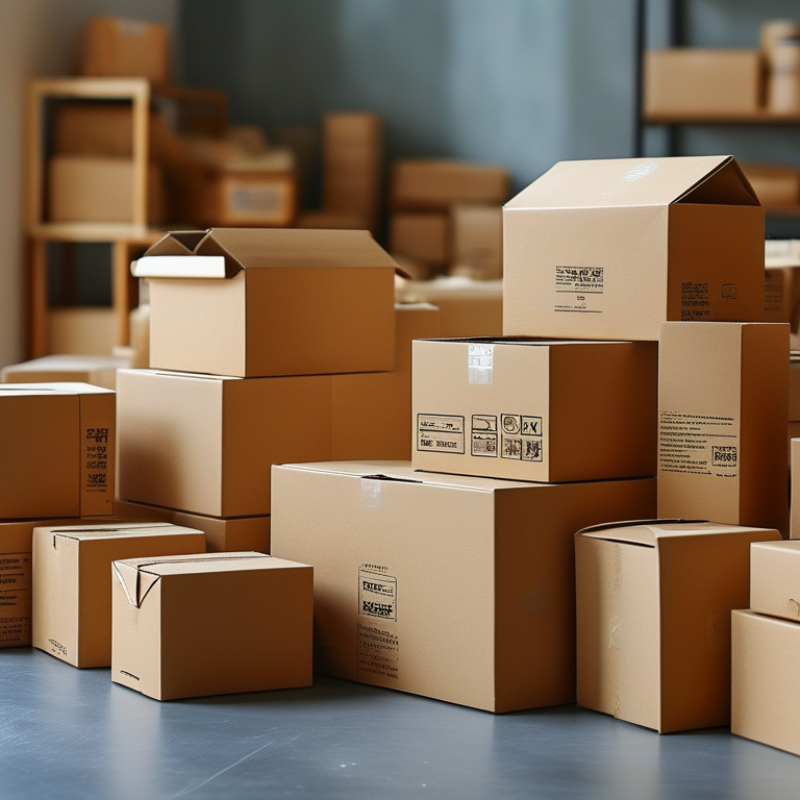
Best Packaging Solutions for Global Buyers: An Overview of Market Trends
The global packaging market is evolving rapidly. In 2022, the market was valued at approximately $1.2 trillion and is expected to grow at a CAGR of 4.5% through 2030. This growth reflects the increasing demand for innovative and sustainable packaging solutions among buyers worldwide. Packaging not only serves as a protective barrier but also plays a crucial role in brand identity.
Sustainability trends are particularly notable in today's packaging solutions. A 2023 survey highlighted that 73% of consumers prefer brands utilizing sustainable materials. Biodegradable plastics and reusable packaging options are gaining traction. This shift indicates a need for brands to adapt to consumer expectations for eco-friendly solutions. Moreover, supply chain resilience has come under scrutiny. Disruptions in global logistics have prompted buyers to seek versatile packaging that can withstand various shipping conditions.
Digital innovation is reshaping the packaging landscape. Smart packaging, which incorporates technology like QR codes and sensors, allows for enhanced consumer engagement. About 60% of companies plan to invest in these technologies in the coming years. However, many face challenges in integration and staying ahead of trends. Balancing cost, functionality, and sustainability remains a key issue. Buyers must navigate these complexities to select the right solutions in a competitive market.
Global Packaging Solutions Market Trends
Sustainable Packaging: Insights from the Global Market and Consumer Demand
Sustainable packaging has become a focal point in today’s global market. Consumers are demanding eco-friendly options. This shift is creating unique challenges and opportunities for businesses worldwide. Many companies now seek materials that minimize environmental impact. Biodegradable options and recycled materials are gaining popularity. These solutions respond to consumer preferences for sustainability.
Incorporating transparency in sourcing is crucial. Buyers expect brands to disclose their environmental practices. This can enhance trust and brand loyalty. However, not all companies have mastered this balance. Some struggle to communicate their sustainability efforts effectively. This often leads to skepticism among informed consumers. They may question a company's commitment to sustainability.
The journey toward sustainable packaging is complex. While many are adopting greener practices, there is still room for improvement. Continuous innovation is necessary to meet evolving consumer demands. Companies must reassess their strategies regularly. This reflective approach can help them stay competitive and relevant in a rapidly changing market.
What are the Best Packaging Solutions for Global Buyers? - Sustainable Packaging: Insights from the Global Market and Consumer Demand
| Packaging Type |
Material |
Recyclability |
Sustainability Rating |
Market Popularity |
| Biodegradable Bags |
PLA, Starch |
Yes |
A+ |
High |
| Recycled Cardboard |
Cardboard |
Yes |
A |
Medium |
| Glass Containers |
Glass |
Yes |
A++ |
High |
| Plant-Based Bottles |
PBAT, PLA |
Yes |
A |
Growing |
| Mushroom Packaging |
Mycelium |
Yes |
A+ |
Niche |
Comparative Analysis of Materials: Cost-Effectiveness and Environmental Impact
The choice of packaging materials significantly impacts both cost-effectiveness and environmental sustainability. According to a report by Smithers Pira, paperboard is often seen as a strong contender due to its recyclability and lower carbon footprint compared to plastics. Paperboard accounts for about 38% of global packaging production, illustrating its widespread acceptance. However, it still has challenges, like lower durability in humid conditions.
Conversely, plastics remain a popular option due to their lightweight properties and cost advantages. The World Economic Forum notes that plastic packaging can reduce transportation emissions by up to 50%. Yet, the environmental impact is notable; approximately 80% of marine debris is plastic. This contradiction raises questions about material responsibility in packaging design.
Biodegradable materials are emerging as a viable alternative, offering a middle ground between cost and environmental efficacy. While these materials tend to have higher initial costs, their long-term benefits could outweigh these expenses. A study by the Ellen MacArthur Foundation emphasizes that shifting to biodegradable options can reduce landfill waste by over 20%. However, further innovations are needed to enhance their performance in actual use situations.
Innovative Technologies in Packaging: Enhancing Efficiency and Safety
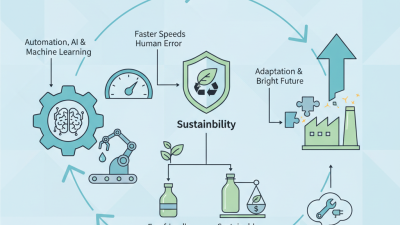
Packaging technology has evolved immensely. Innovative solutions now enhance efficiency and safety in the global market. Automation, for example, streamlines production processes and reduces human error. Smart packaging technologies, such as QR codes and NFC chips, improve tracking and consumer engagement. These advancements help ensure products reach buyers in optimal condition.
Considering sustainability is essential. Eco-friendly materials are becoming more prevalent. Packaging solutions that prioritize recyclability reduce environmental impact. However, there are challenges in sourcing these materials. Buyers must navigate cost implications and availability. Understanding local regulations can also prove complex.
Learning to adapt to changing technologies is crucial. Training staff on new systems ensures effective use. Regularly reviewing packaging strategies keeps businesses competitive. Also, engaging with suppliers can spark innovative ideas. Test different materials and designs to find the best fit for your products. Embrace the learning curve; it may lead to unexpected benefits.
Regulatory Considerations for Global Packaging: Navigating Compliance Across Regions
Navigating packaging regulations can be daunting for global buyers. Different regions have unique compliance standards that must be met. For instance, the European Union's Packaging and Packaging Waste Directive requires manufacturers to limit packaging waste. In 2021, around 70% of packaging was recyclable, but only 30% was actually recycled, highlighting a gap in compliance and effectiveness.
The United States also has varying regulations state by state. California has stricter guidelines on single-use plastics, while other states may not have such demands. According to a report from the Packaging Association, 80% of companies cited regulatory changes as a critical challenge in their packaging strategies. This inconsistency can lead to increased costs and delays for global buyers trying to meet varying requirements.
Understanding the nuances of packaging compliance is essential. Many small businesses overlook the need for consulting with experts in international regulations. Engaging professionals in packaging compliance can prevent costly mistakes. Keeping abreast of changing laws is vital. Some businesses might assume that one compliance strategy works everywhere, but this is often misguided. Adapting packaging to regulatory demands is not just necessary; it enhances market competitiveness.