How to Choose a Cartoning Machine in 2026?

Choosing a cartoning machine in 2026 is not simply a race for higher speed. It is a decision about product protection, labor stability, changeover time, and future production needs. A machine may run 200 cartons per minute, yet still waste materials during frequent format changes. That number alone proves little.

Packaging Machinery Manufacturers Institute executive Jorge Izquierdo has said, “Automation is no longer a choice; it is a necessity.” His view reflects a practical shift across modern packaging lines. However, automation should solve a measured problem, not decorate a capital investment. Buyers should examine carton dimensions, product shape, closure style, feeding accuracy, and actual hourly output. Small details matter. A fragile pouch may require gentler handling than a rigid bottle.

A useful evaluation begins with factory evidence. Ask suppliers to run your products using real cartons, inserts, adhesives, and operating speeds. Watch rejected cartons, glue patterns, sensor adjustments, and operator access. Record changeover minutes, not promises. Check whether the machine connects with existing conveyors, coding systems, vision inspection, and production software. Safety guarding and documented maintenance support also deserve close attention.

The cheapest offer can become expensive. The fastest machine can become underused. Even experienced teams may overlook cleaning access or spare-part availability. That is where honest reflection helps. Your current forecast may be wrong. Your product range may expand sooner than expected. This guide explains how to compare cartoning machine options in 2026, using practical tests, measurable criteria, and supplier accountability.
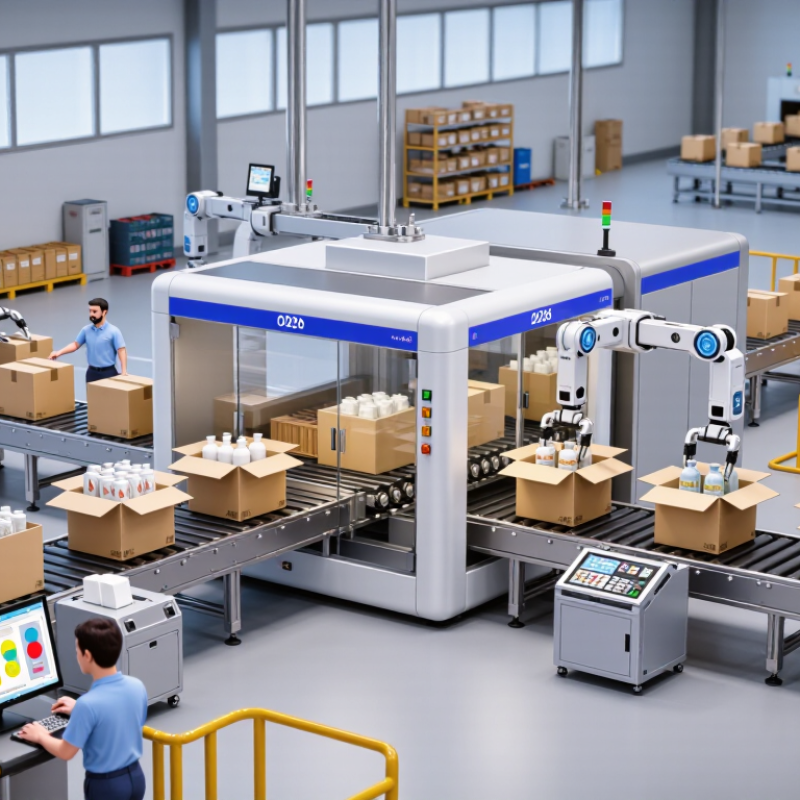
How to Choose a Cartoning Machine in 2026?

Define Your Cartoning Requirements and Production Goals

Choosing a cartoning machine in 2026 starts with a clear production definition. Do not begin with machine speed. Begin with the product. Record its length, width, height, weight, surface finish, and temperature at packing. Then measure the carton blank, fold style, closure method, and tolerance. These details affect feeding, forming, closing, and reject rates. List hourly demand, shift length, changeover frequency, and acceptable downtime. A target of 120 cartons per minute may look attractive. But it can be unsuitable if operators refill magazines every few minutes. Include realistic peaks, not only average output. That distinction is often missed.

Production goals should connect output with quality and labor conditions. Define a measurable reject limit and inspection point. Decide whether cartons need product inserts, coding, tamper evidence, or serialization. Confirm available floor space, electrical supply, compressed air, and cleaning access. An experienced engineer will request sample products and cartons before recommending a configuration. Run a trial using the fastest planned format and the most difficult product. Watch jams, scuffing, open flaps, and manual interventions. Do not trust a perfect demonstration. Real materials behave differently after hours of heat, dust, and operator fatigue. Your original goal may also be wrong. Perhaps lower speed with stable feeding saves more than maximum throughput. Document every assumption, then challenge it with production data.

Compare Carton Styles, Machine Types, and Automation Levels

How to Choose a Cartoning Machine in 2026?

Carton style should guide the machine choice. Tuck-end cartons suit compact products and straightforward closing. Four-corner cartons offer stronger presentation but demand tighter forming control. Sleeve cartons can reduce material use, yet they may need precise product alignment. A plant assessment should measure carton dimensions, board thickness, glue behavior, and changeover frequency. Small batches often favor intermittent-motion machines. High-volume lines may justify continuous motion. The neatest spreadsheet can still mislead. Test real cartons, not only samples.

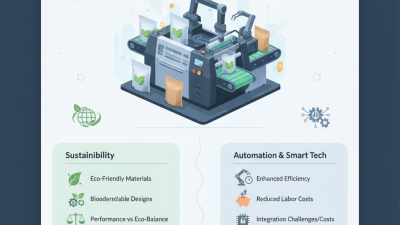
Automation level depends on labor, speed, and product variability. Manual loading may fit seasonal production, but it creates uneven placement and operator fatigue. Semi-automatic systems add powered forming and closing while keeping human loading. Fully automatic lines can integrate robotic pick-and-place, vision checks, and reject stations. PMMI’s 2023 U.S. Packaging Machinery Shipments Report recorded $10.2 billion in shipments during 2022, an 11.8% increase. That growth reflects continued investment in productivity. The International Federation of Robotics reported 541,302 industrial robot installations worldwide in 2023. Robotic loading is becoming more practical, but not automatically better. It needs stable product presentation, reliable carton feeding, and skilled maintenance. Measure it. Compare actual uptime, changeover minutes, compressed-air demand, safety functions, and total cost over five years. A cheaper machine may become expensive after repeated format changes. In 2026, flexibility deserves more attention than impressive maximum speed.

Evaluate Speed, Accuracy, Flexibility, and Product Compatibility

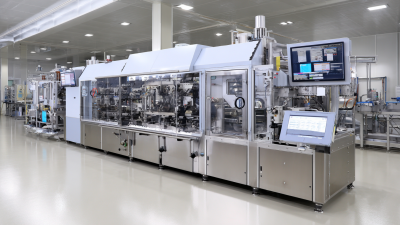
Choosing a cartoning machine in 2026 starts with the product, not the advertised speed. During factory trials, I measure actual output with cartons filled, closed, coded, and rejected. A machine rated at 180 cartons per minute may deliver 145 in daily operation. That gap matters. Ask for sustained speed, changeover time, and stoppage records. Record ten-minute and two-hour results. This exposes heat, feeding, and operator issues.

Accuracy protects both presentation and material costs. Check carton erection, product insertion, flap closing, and print alignment separately. Use samples from the real production batch, including slight size variation. A sensitive sensor may reject good packs when dust gathers near the detection point. That happened during one trial. We focused too much on clean-room conditions. Ask how the system handles empty cartons, skewed products, and interrupted feeds. Reject counts should be traceable, not merely displayed.

Flexibility means more than accepting several carton dimensions. Review tool-free adjustments, recipe storage, guide-rail movement, and format changeover steps. Product compatibility deserves a physical test. Soft pouches, rigid trays, bottles, and uneven bundles behave differently inside a carton. Check friction, product orientation, sealing pressure, and loading space. A compact machine may fit the floor plan but restrict future formats. Leave room for maintenance access and safer operator movement. Request written test conditions, spare-part lead times, and training details. Do not accept a perfect demonstration as production proof. Real products are less cooperative.

Check Machine Specifications, Safety Features, and Integration Options

How to Choose a Cartoning Machine in 2026?

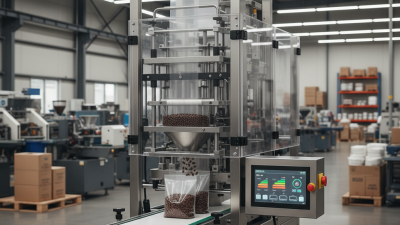
A cartoning machine should match your real production conditions, not only its advertised speed. Check cartons per minute, product dimensions, carton board range, changeover time, and compressed-air consumption. Ask for performance data using your products and cartons. In factory trials, small flap variations can cause repeated stoppages. A fast machine can still be a poor purchase. The International Federation of Robotics reported 541,302 industrial robots were installed worldwide in 2023, showing stronger demand for connected automation. However, automation without usable data creates expensive confusion. Confirm whether the machine records downtime, rejects, alarms, and batch information. My earlier evaluations sometimes trusted nominal speed too much.

Safety features deserve equal attention. Guards should include monitored interlocks, accessible emergency stops, and safe energy isolation points. The design should support risk assessment under ISO 12100 and safety-control principles under ISO 13849-1. Check safe torque off, jam-clearing procedures, operator visibility, and maintenance access. A difficult guard is often bypassed. That is a design failure. Deloitte’s 2023 Smart Manufacturing Survey found that 86% of manufacturing leaders viewed smart manufacturing as important for competitiveness. Integration therefore matters. Confirm communication with line controls, vision systems, checkweighers, and plant-level software. Ask about OPC UA or other supported protocols, user permissions, cybersecurity updates, and data ownership. Integration promises can be vague; request a live demonstration, interface list, and factory acceptance test.

Assess Total Cost, Maintenance Needs, and Supplier Support

How to Choose a Cartoning Machine in 2026?

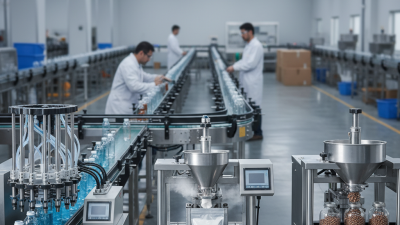
The purchase price rarely reflects the real cost of a cartoning machine. Calculate total cost over seven to ten years. Include tooling, installation, energy, labor, spare parts, training, software, and planned downtime. A machine saving 8% on purchase price may cost more after frequent changeovers. That is the trap. PMMI’s 2024 packaging machinery research highlights labor shortages, flexibility, and serviceability as major investment pressures.

Maintenance details deserve a physical inspection. Open the guards. Check whether operators can reach sensors, belts, and lubrication points without awkward movement. Ask for documented mean time between failures, mean time to repair, and spare-parts consumption. The U.S. Department of Energy’s Operations and Maintenance Best Practices Guide reports that predictive maintenance can reduce maintenance costs by 25–30% and downtime by 35–45%. Those figures are useful, but they are not automatic. Poor sensors create poor decisions.

Supplier support can protect production better than a glossy specification sheet. Request guaranteed response times, local technician coverage, critical-parts availability, remote diagnostics, and training records. Define factory acceptance testing and site acceptance testing before signing. Ask how software updates affect validated settings. Also, request three years of service data from comparable installations. Some suppliers avoid this request. That should prompt reflection. A careful buyer should score technical support, maintenance access, and total ownership cost beside speed and output.

How to Choose a Cartoning Machine in 2026?

Assess total cost, maintenance needs, and supplier support before selecting a machine.

This 100-point planning model gives the greatest weight to five-year total cost of ownership, followed by maintenance requirements and supplier support. Use it to compare quotations consistently, including purchase price, installation, spare parts, downtime risk, training, response time, and long-term service capability.