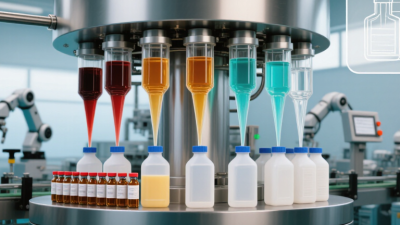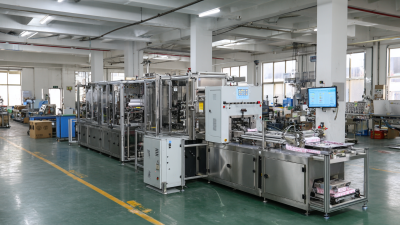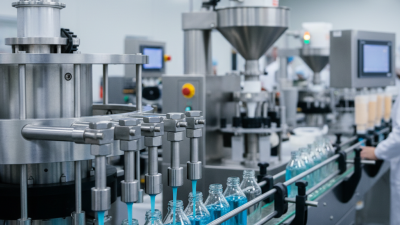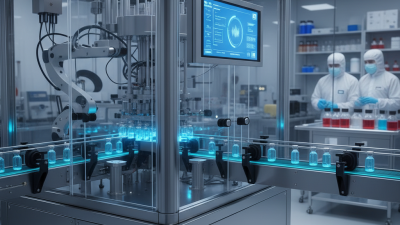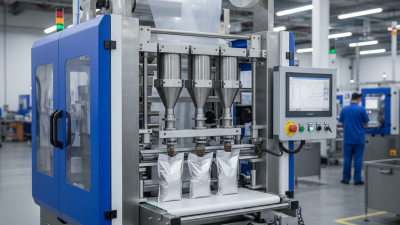
Choosing a filling machine manufacturer in China can shape product quality, production speed, and long-term operating costs. The market includes suppliers serving food, beverage, cosmetic, pharmaceutical, and chemical producers. Their offerings range from compact tabletop units to automated lines with conveyors, capping, and labeling equipment. A polished product page is not enough.
This guide introduces ten manufacturers worth considering and explains practical points buyers can compare. These include filling accuracy, compatible container sizes, output capacity, materials in product-contact areas, and available technical support. Ask for machine specifications, videos of comparable installations, and clear warranty terms. If possible, arrange a factory visit or a live demonstration using your product. Details matter.
The right choice depends on more than a company’s reputation. A small workshop may need flexibility, while a high-volume plant may prioritize stable output and integration. Check whether the proposed equipment suits your liquid’s viscosity, foaming behavior, and cleaning requirements. Request references from customers with similar production needs, and confirm what installation and training include. No shortlist is perfect. Company capabilities and service coverage can change, so verify current information directly before making a purchase. Use the comparisons here as a starting point, not a substitute for technical review. A little skepticism is useful.
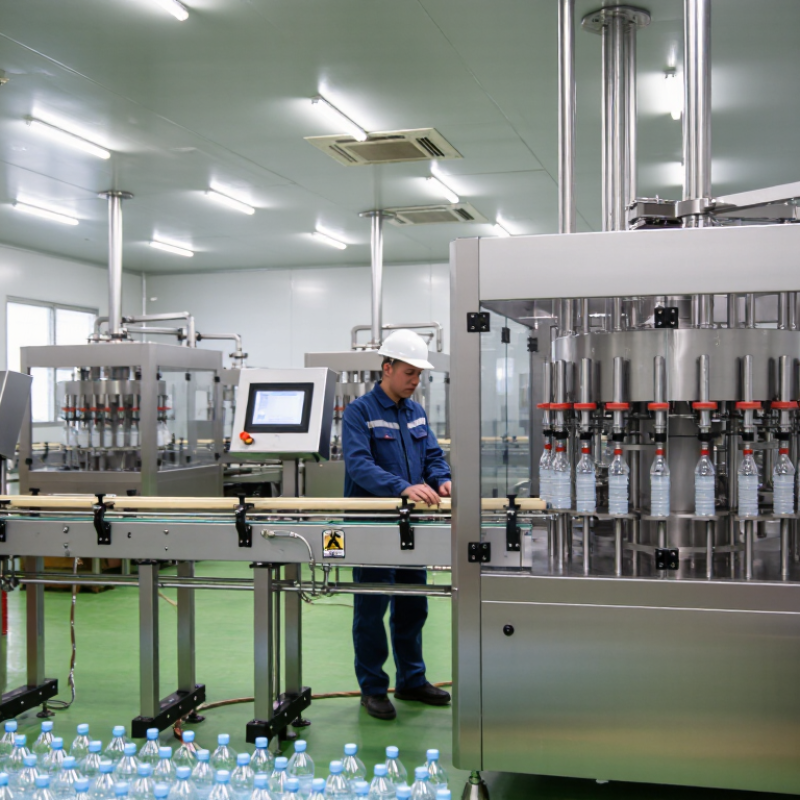
Filling machines move liquid, paste, powder, or small solid products into containers at a controlled rate. Some use gravity or pumps; others rely on pistons, peristaltic tubes, or timed flow. The right method depends on the product. A thin drink behaves differently from a thick cream. Small differences matter.
Food and beverage producers use fillers for sauces, oils, dairy products, and bottled drinks. Cosmetics and personal-care facilities fill lotions, shampoos, and gels. Pharmaceutical manufacturers also use controlled filling systems for suitable products, where repeatable doses and cleanable contact surfaces are essential. In each setting, container shape, product viscosity, and cleaning routines affect machine choice. That sounds simple.
A practical assessment should include more than advertised speed. Operators need to check fill accuracy, changeover time, spill control, and compatibility with the container material. A line that runs well with water may struggle with a foaming liquid or a paste that clings to the nozzle. The neat specification sheet is not the whole story; testing with the actual product can reveal inconvenient limits. Regular calibration and inspection help maintain consistent fills, but they cannot compensate for a poorly matched machine.
China’s filling machine industry is structured around different production needs, not a single standard machine. Some manufacturers focus on liquid fillers, while others build equipment for powders, granules, or thick pastes. A smaller group integrates filling, capping, labeling, and conveying into complete lines. The boundaries overlap. It depends.
Equipment design often follows the product and container. A thin liquid may need a different dosing method from a viscous sauce. Bottle shape, opening size, and target fill volume also affect changeover time and accuracy. During a factory assessment, engineers may test samples under actual operating conditions. A clean display model tells only part of the story.
The supply chain includes machine builders, component suppliers, control-system specialists, and service teams. Their coordination can shape reliability as much as the frame or filling head. Buyers should compare rated output with tested output, and ask how cleaning, spare parts, and format changes are handled. Ask for test records. Service quality can vary, even when two machines appear similar. That matters. A practical evaluation should include operators, maintenance staff, and production managers, because each group notices different weaknesses.
A useful assessment starts with the product, not a machine’s advertised speed. Ask whether the equipment can handle your liquid’s viscosity, temperature, and tendency to foam. A thin drink and a thick sauce behave very differently at the nozzle. Request a trial using your own container and product, then compare fill weights across repeated cycles. Details matter.
Inspect how the machine manages changeovers and cleaning. Look for accessible contact surfaces, clear cleaning instructions, and parts that operators can remove without awkward tools. Ask how quickly the line can switch between container sizes, and whether adjustments require specialist support. These answers reveal more than a broad claim about flexibility. A neat demonstration may not reflect a busy production shift.
Reliability also depends on support after installation. Check the availability of wear parts, response times for technical questions, operator training, and the clarity of maintenance records. Ask for performance data under conditions close to your own, including realistic pauses and product changes. Test it. A machine that performs well in a short test can still need careful adjustment on site; that uncertainty deserves attention, not a confident guess.
Profiles of ten notable Chinese filling-machine manufacturers reveal a market shaped by different production needs, not one universal leader. Grand View Research estimated the global filling-machine market at about US$7.3 billion in 2023, underscoring demand for efficient, adaptable lines. A useful comparison starts with actual product trials, changeover time, and cleaning access.
One manufacturer focuses on gravity fillers for water and other low-viscosity liquids. Another builds piston systems for sauces and creams, while a third handles carbonated drinks with pressure-controlled filling. A fourth offers compact machines for small batches; a fifth specializes in high-speed rotary lines. One more integrates capping and labeling. Practical details matter: Can operators reach the valves without tools? How steady is fill volume after a long shift? Small points.
The remaining profiles may include suppliers of aseptic systems, powder fillers, edible-oil lines, and customized equipment for unusual containers. These categories are not a verified ranking; capabilities vary by model and factory. PMMI’s industry research regularly tracks automation, labor, and packaging-line investment, useful context when comparing quotations. Ask for a product-specific acceptance test and spare-parts lead times. I would also verify cleaning instructions in person; brochures can make changeovers look easier than they are.
The chart shows the number of manufacturer profiles covered. It represents article scope—not market share, production volume, or a performance ranking.
What Are the Top 10 Filling Machine Manufacturers in China?
How to Match a Manufacturer to Your Production Requirements
A manufacturer is a good fit when its equipment matches your actual product and daily workflow—not just a brochure’s speed rating. Define your container sizes, target output, liquid viscosity, and packaging materials before comparing proposals. A thin drink and a thick sauce can behave very differently at the filling nozzle. Ask whether the machine can handle your smallest and largest bottles without lengthy changeovers. Details matter.
Request a trial using your own product and containers. Watch for drips, inconsistent fill levels, and how easily operators adjust settings. Check the time needed to clean product-contact parts and switch between formats. Confirm what routine maintenance involves, which components may need replacement, and how technical support is delivered. A fast line can still be a poor choice if it causes frequent stoppages. I’ve seen specifications look convincing on paper; real production can be less tidy.
Tips: Share a short production brief with every supplier. Include product samples, bottle drawings, expected shifts, and future capacity plans. Ask for a written test report and a clear list of exclusions. Don’t overlook awkward questions, such as who trains operators or how quickly spare parts can arrive. Some uncertainty will remain, so leave room for a small pilot run.
| Profile | Main Filling Technology | Best-Fit Products | Typical Indicative Output | Production Requirements to Match | Key Checks Before Ordering |
|---|---|---|---|---|---|
| 1 | Gravity or time-pressure filling | Water, juice, and other low-viscosity liquids | About 500–3,000 bottles/hour on small to medium lines | Simple liquid products, consistent container sizes, and modest line speeds | Fill-level accuracy, foaming control, changeover time, and container handling |
| 2 | Piston filling | Sauces, creams, gels, and other viscous products | About 500–6,000 containers/hour, depending on nozzle count and dose | Medium- to high-viscosity products and measured volume dosing | Product temperature and viscosity range, piston seals, and cleaning access |
| 3 | Servo-driven piston filling | Dairy products, personal-care liquids, and repeatable-dose applications | About 1,000–6,000 containers/hour, depending on configuration | Frequent recipe or volume changes and tighter control of dosing settings | Dose repeatability, recipe storage, controls, and validated cleaning procedures |
| 4 | Mass-flowmeter filling | Liquids requiring measured mass or flow-based dosing | About 1,000–12,000 containers/hour on suitable multi-head lines | Stable product flow, automated operation, and integration with a production line | Meter suitability, calibration, product conductivity or properties, and accuracy at target speed |
| 5 | Overflow filling | Foaming or appearance-sensitive liquids in transparent containers | About 500–6,000 containers/hour, depending on the number of filling heads | Consistent visible fill heights across containers of similar geometry | Bottle neck compatibility, foam management, product recovery, and cleaning method |
| 6 | Auger dosing | Flour, spices, protein powders, and other free-flowing powders | About 10–60 containers/minute, depending on dose and powder behavior | Powder dosing by volume or weight with controlled dust generation | Powder bulk density, dust extraction, auger selection, and dose testing |
| 7 | Net-weight filling | Granules, pellets, grains, and other bulk solids | About 5–30 bags/minute, depending on product and target weight | Weight-controlled filling where product flow can be managed consistently | Weighing-system accuracy, product feed consistency, and bag or container interface |
| 8 | Cup filling and sealing | Yogurt, desserts, sauces, and portioned foods | About 30–120 cups/minute, depending on stations and cup format | Preformed cups, repeatable portioning, and a matched sealing process | Cup dimensions, seal material, seal integrity, and hygiene requirements |
| 9 | Sachet or stick-pack filling | Single-serve liquids, powders, and granules | About 30–300 packs/minute across the machine, depending on lanes and format | Small-dose packaging with defined film, seal, and pack-size requirements | Film compatibility, seal quality, lane output, and dose accuracy at speed |
| 10 | Bag-in-box or bulk liquid filling | Beverage concentrates, liquid foods, and industrial liquids | About 2–20 packs/minute, depending on pack size and filling method | Large-volume packs, controlled dispensing, or reduced product exposure | Package fitments, sanitation, filling environment, and downstream handling |