Top 10 Wrapping Machine Manufacturers for Global Buyers?
Selecting the right wrapping machine can shape production speed, product protection, labor efficiency, and long-term operating costs. Global buyers face a crowded market, with manufacturers offering stretch wrappers, flow wrappers, shrink systems, pallet wrappers, and customized automation.
As Jim Pittas, President and CEO of PMMI, has stated, “Automation is not simply about buying equipment; it is about improving the entire operation.” That principle matters when comparing suppliers. A fast machine may still disappoint if film waste is high, controls are difficult, or spare parts take weeks to arrive.
This guide examines ten wrapping machine manufacturers serving international buyers. It considers machine performance, packaging formats, automation levels, energy use, technical support, customization, and total ownership cost. The shortlist also reflects practical concerns from factory floors, including unstable film tension, limited operator training, and narrow production spaces.
Small details matter.
A reliable supplier should explain cycle speeds under real conditions, not only present laboratory figures. Buyers should also inspect sealing quality, changeover time, software compatibility, and maintenance access. Certifications and regional service networks deserve equal attention.
No ranking can fit every factory. A food producer may prioritize hygiene and rapid cleaning, while a logistics operation may need rugged pallet stability. Some manufacturers excel in premium automation but feel excessive for smaller plants. Others offer attractive prices but limited after-sales support.
That is where this comparison becomes useful, although not perfect. It aims to connect specifications with real purchasing decisions, helping global buyers ask sharper questions before signing an equipment contract.
What Is a Wrapping Machine and How Does It Work?
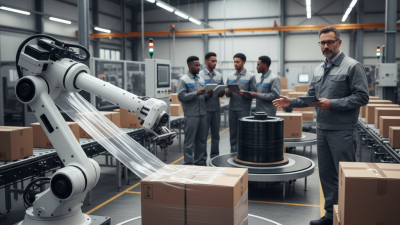
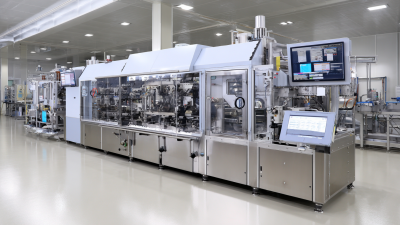
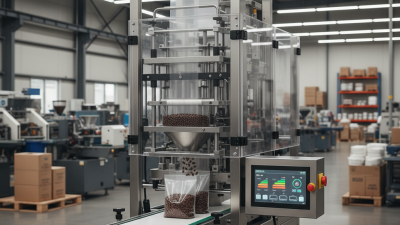
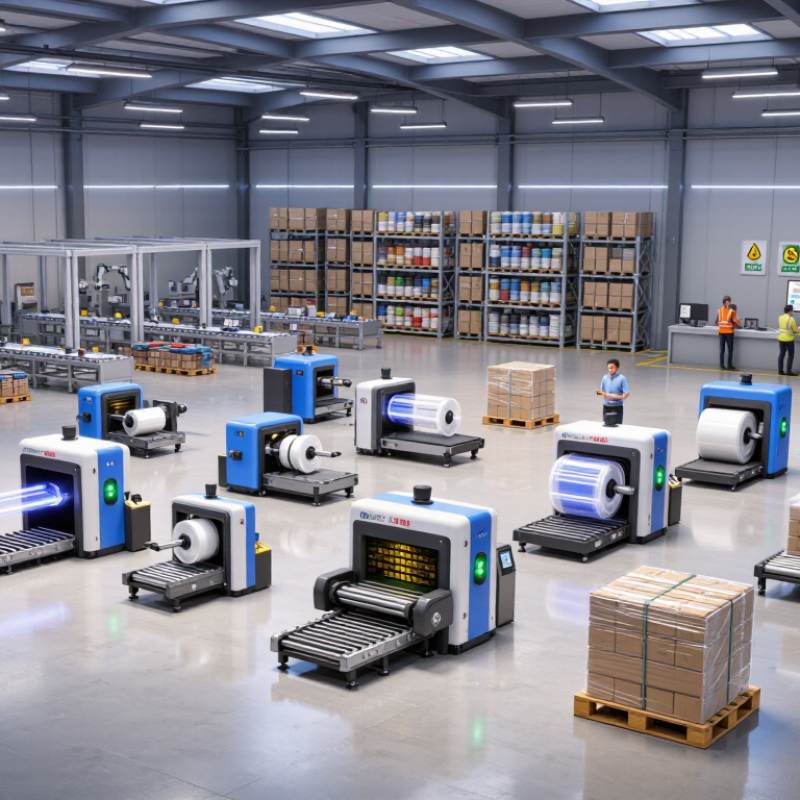
A wrapping machine is industrial equipment that covers products with film, paper, or another approved packaging material. It helps protect goods from dust, moisture, movement, and handling damage. Common systems include stretch wrappers, shrink wrappers, flow wrappers, and pallet wrapping machines. Each design suits different product shapes, speeds, and packaging goals.
The working process is practical. A conveyor moves the product into the wrapping area. Rollers, belts, or rotating arms position the item steadily. Film tension controls how tightly the material fits around the load. Some machines rotate the product, while others rotate the film carriage. A sealing unit closes the package, and a heated blade or air tunnel may finish the seal. Sensors check product position, film presence, and basic operating safety.
Small details matter. Uneven tension can create loose corners or damaged film. Incorrect temperature may cause weak seals or burnt edges. Experienced operators usually test film width, load weight, speed, and sealing settings before full production. Cleaning sensors and checking rollers also prevents avoidable interruptions. Automation improves consistency, but it does not remove the need for inspection. That assumption often fails. A machine that performs well on cartons may struggle with soft bags or irregular loads. Global buyers should compare output, maintenance access, safety features, spare-part availability, and local technical support before choosing among manufacturers.
How to Evaluate Wrapping Machine Manufacturers Worldwide
Evaluating the top 10 wrapping machine manufacturers worldwide requires more than comparing prices. A capable manufacturer should explain film types, load dimensions, wrapping speed, and expected material usage. Ask for performance data from machines handling products similar to yours. A clear technical answer matters.
Request factory evidence, not only polished brochures. Review test videos, inspection records, and installation procedures. If possible, arrange a live factory acceptance test with your own sample loads. Watch film tension, corner protection, conveyor alignment, and emergency stopping. Small details reveal engineering discipline. They often do.
Check whether the manufacturer understands your destination country’s voltage, safety requirements, language needs, and import documents. Reliable suppliers provide drawings, spare-parts lists, manuals, and operator training before shipment. Their service response should include realistic time zones, remote diagnostics, and qualified technicians. Promises alone are weak evidence.
Study references from similar industries, but verify them independently. Ask customers about downtime, maintenance costs, and delivery accuracy after installation. A low purchase price may hide expensive film waste or difficult repairs. No audit is perfect. I would still score each supplier against the same criteria, because personal impressions can distort judgment. Leave room for improvement, especially when a factory avoids specific answers.
Top 10 Wrapping Machine Manufacturers for Global Buyers? - How to Evaluate Wrapping Machine Manufacturers Worldwide
Evaluation basis: This comparison uses publicly observable factors commonly used in international procurement, including product coverage, automation capability, packaging applications, export readiness, service infrastructure, customization capacity, and compliance documentation. Company identities are intentionally anonymized.
Note: Rankings are indicative procurement benchmarks rather than an official market ranking. Buyers should verify current specifications, certifications, lead times, references, and after-sales coverage directly with each supplier.
| Rank |
Anonymized Manufacturer |
Primary Production Region |
Main Wrapping Technologies |
Typical Applications |
Automation Level |
Customization |
International Service |
Compliance Documentation |
Indicative Buyer Fit |
| 1 |
Manufacturer A |
Western Europe |
Horizontal flow wrapping, shrink wrapping, automated feeding |
Food, bakery, consumer goods, multipacks |
Very High |
Very High |
Strong global network |
Usually comprehensive |
Large multinational plants |
| 2 |
Manufacturer B |
Southern Europe |
Flow wrapping, cartoning integration, end-of-line packaging |
Confectionery, pharmaceuticals, personal care |
Very High |
High |
Strong distributor coverage |
Usually comprehensive |
High-volume production |
| 3 |
Manufacturer C |
Central Europe |
Stretch wrapping, pallet wrapping, robotic palletizing |
Logistics, chemicals, building materials, beverages |
Very High |
High |
Strong global network |
Usually comprehensive |
Automated warehouses |
| 4 |
Manufacturer D |
North America |
Case wrapping, pallet wrapping, integrated conveyor systems |
Industrial goods, food distribution, e-commerce |
High |
High |
Strong regional support |
Usually comprehensive |
North American operations |
| 5 |
Manufacturer E |
East Asia |
Horizontal flow wrapping, vertical wrapping, bagging |
Snacks, fresh produce, household products |
High |
High |
Growing global coverage |
Available on request |
Cost-sensitive exporters |
| 6 |
Manufacturer F |
East Asia |
Pallet stretch wrapping, rotary-arm wrapping, automatic film control |
Paper, steel, ceramics, general manufacturing |
High |
Medium to High |
Regional and distributor-based |
Available on request |
Standard pallet loads |
| 7 |
Manufacturer G |
Northern Europe |
Robotic wrapping, palletizing, conveyor automation |
Distribution centers, beverages, food ingredients |
Very High |
Very High |
Strong project support |
Usually comprehensive |
Complex turnkey lines |
| 8 |
Manufacturer H |
Western Europe |
Bundling, shrink wrapping, multipack packaging |
Beverages, tissue, household and personal care |
High |
High |
Strong distributor coverage |
Usually comprehensive |
Retail-ready multipacks |
| 9 |
Manufacturer I |
Southern Europe |
Automatic pallet wrapping, hood wrapping, stretch film systems |
Agriculture, food logistics, industrial pallets |
High |
Medium to High |
Good regional coverage |
Available on request |
Medium-sized operations |
| 10 |
Manufacturer J |
Türkiye and neighboring markets |
Stretch wrapping, pallet packaging, semi-automatic systems |
Textiles, food, furniture, general exports |
Medium to High |
Medium |
Regional export support |
Available on request |
SMEs and distributors |
Technical Evaluation
Check wrapping speed, product dimensions, film compatibility, sealing quality, changeover time, and line integration.
Commercial Evaluation
Compare total cost of ownership, spare-parts pricing, energy consumption, warranty terms, and delivery schedules.
Supplier Verification
Request factory references, acceptance-test records, production videos, user references, and current compliance files.
After-Sales Assessment
Confirm local technicians, remote diagnostics, training, preventive maintenance, and guaranteed spare-parts availability.
Top 10 Wrapping Machine Manufacturers for Global Buyers
Choosing among the top 10 wrapping machine manufacturers for global buyers requires more than comparing prices. A reliable manufacturer should demonstrate proven factory experience, stable production records, and clear technical documentation. Buyers should inspect machine videos, sample packaging, and maintenance procedures before signing a contract. A useful test includes film tension, sealing strength, conveyor speed, and product changeover time.
The strongest manufacturers usually offer machines for cartons, pallets, trays, and irregular loads. Their equipment may include servo drives, adjustable film carriages, automatic cutting systems, and safety guarding.
Ask about operating ranges, spare-part availability, training, and remote troubleshooting. Details matter. A delayed sensor can stop a busy packing line.
Global buyers should also verify electrical compatibility, installation support, and applicable safety requirements in the destination market. Experienced suppliers explain limitations instead of promising perfect results. That honesty is valuable. No ranking is completely objective, because factory size, service quality, and product fit can change the outcome. I would still request references from companies using similar products and production volumes. A practical site visit can reveal noise, vibration, access to service panels, and the quality of operator instructions. These small observations often predict long-term reliability better than polished brochures.
International Purchasing Factors: Quality, Cost, Service, and Compliance
Top 10 Wrapping Machine Manufacturers for Global Buyers?
International purchasing should begin with measurable quality, not attractive brochures. Request sample runs using your actual film, product dimensions, and production speed. Check seal strength, film waste, changeover time, and fault records. Small details matter.
The global packaging market is projected to exceed 1.2 trillion US dollars by 2028, according to Smithers. This growth increases supplier choices, but also complicates cost comparisons. A low purchase price may hide expensive tooling, spare parts, training, or downtime. Ask for a five-year ownership estimate. Include energy use and local technician travel. The International Federation of Robotics reported 541,302 industrial robot installations worldwide in 2023, showing continued investment in automation. Yet automation does not automatically improve reliability. Poor integration can create faster problems.
Service evidence deserves the same attention as machine specifications. Ask for response-time targets, remote diagnostics, manuals, and stocked replacement parts. Compliance must match the destination market, including electrical safety, electromagnetic compatibility, guarding, and documentation requirements. ISO’s 2022 Survey recorded more than 1.2 million ISO 9001 certificates worldwide, but certification alone cannot prove machine performance. Audit production records and speak with comparable users. We sometimes overvalue polished factory visits. A quiet showroom is not a real production shift. Insist on acceptance testing, written performance limits, and clear responsibility when targets are missed.