What Is Automated Packaging and How Does It Work?
Packaging lines are judged by what customers see: a clean seal, a readable date code, and a carton that survives shipping. Behind that finish, automated packaging connects machines, sensors, control systems, and people. Together, they move products through repeatable steps. A line might orient bottles, fill and cap them, apply labels, inspect codes, form cases, and stack pallets. Small details matter. A crooked label or weak seal can interrupt an otherwise efficient shift.
The International Federation of Robotics’ World Robotics 2024 report counted 4.28 million industrial robots operating worldwide in 2023, with 541,302 new installations that year. These figures cover industrial robotics broadly, not packaging alone. They show the scale of automation, but not a guaranteed return for every plant. That distinction matters. Packaging equipment can also include conveyors, checkweighers, vision systems, and safety controls, with operators overseeing changeovers and exceptions.
Understanding how the system works means looking beyond the robot arm. Sensors detect product position; programmable controllers coordinate equipment; software tracks settings and faults. When these parts communicate well, packages can move smoothly from infeed to pallet. When they do not, bottlenecks simply shift down the line. Faster is not always better. This guide explains the core equipment, workflow, benefits, and trade-offs, including the setup and maintenance demands that are easy to underestimate. A real production line is rarely perfect, and that is worth remembering.
What Automated Packaging Is and What It Is Designed to Do
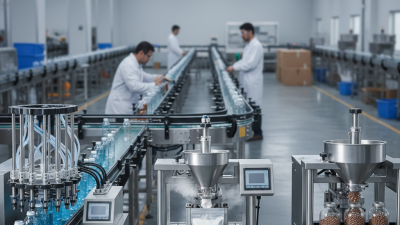
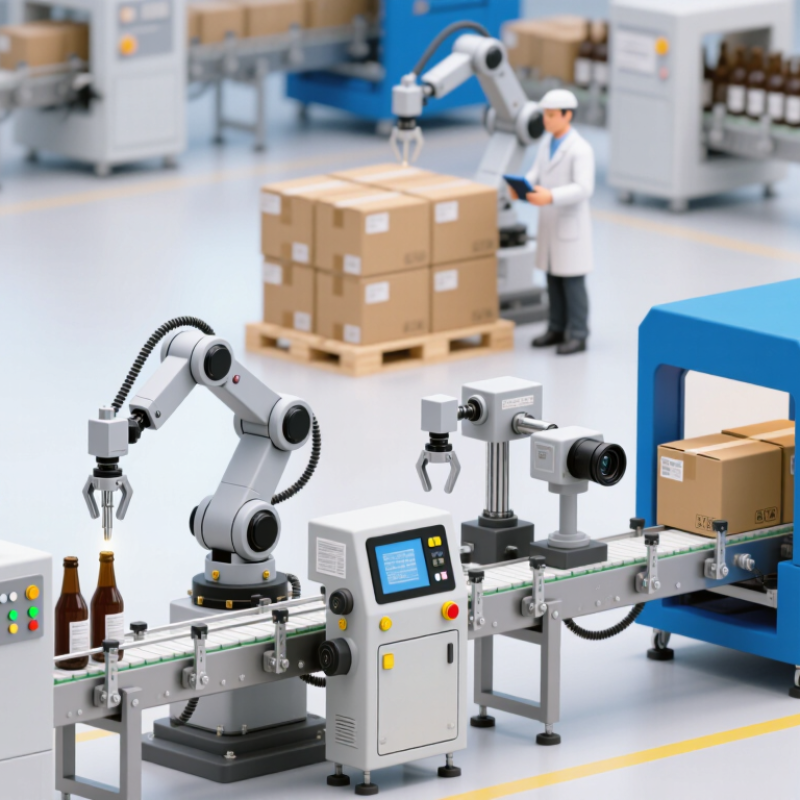
Automated packaging uses machines to perform repeatable tasks such as filling, sealing, labeling, and grouping products. Its purpose is to move goods into suitable packages with consistent handling and less routine manual work. A line may include a conveyor, a weighing station, a sealing unit, and a label applicator. Sensors can detect a missing container or a poorly positioned package and pause the process.
The system is designed around the product, package, and required output. A small food item may need accurate portioning and a tight seal, while a fragile component may need a tray that limits movement. Automation can improve consistency and help teams track production, but it does not fix every problem. Poorly chosen settings can cause jams, waste packaging, or produce faulty seals. I have seen small alignment issues become bigger when nobody checks them.
Tips: Test the package with the actual product before expanding a line. Check seals, labels, and fill levels at regular intervals. Keep a record of recurring stoppages; it can reveal a simple adjustment. Some manual checks still matter. A machine can repeat a task, but people must confirm that the task is right.
The Main Components of an Automated Packaging System
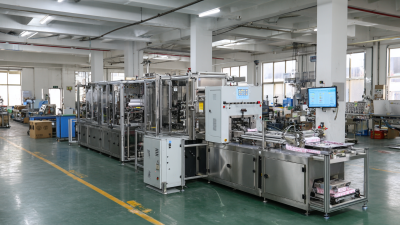
An automated packaging system is a coordinated line of machines that moves products from an infeed conveyor into finished packages. The conveyor spaces items so sensors can detect their position and prevent collisions. Small details matter. A crooked bottle or overlapping pouch can disrupt the flow.
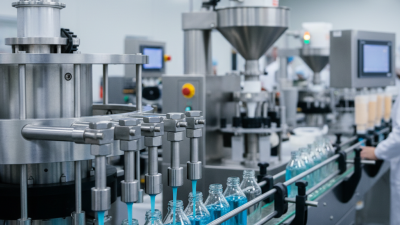
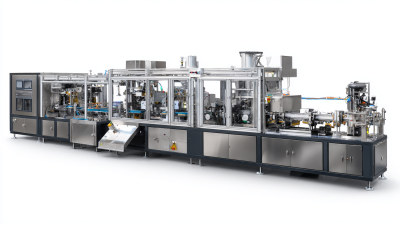
A programmable controller receives signals from sensors and coordinates each machine’s timing. Depending on the product, equipment may measure or fill portions, form cartons, wrap items, and seal packages with heat or adhesive. Checkweighers can flag packages outside set weight limits, while vision sensors inspect seals, labels, or missing components. Rejected items are diverted for review rather than sent down the line. This part is easy to underestimate: inspection settings need regular checks as materials and production speeds change.
Downstream, labelers apply product information, and case packers group finished units for shipping. An operator interface displays settings, alarms, and production counts, helping staff locate a stoppage. Guarding and emergency stops protect people near moving equipment; trained operators still need access for cleaning and adjustments. I would not assume that adding more automation fixes every bottleneck. Poorly aligned packages, inconsistent materials, or an awkward changeover can slow a line even when its machines are working as designed.
How Products Move Through the Packaging Process
What Is Automated Packaging and How Does It Work?
How Products Move Through the Packaging Process
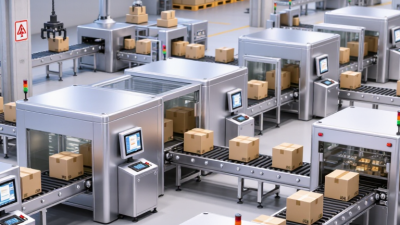
Automated packaging moves products through a coordinated series of machines. Conveyors carry items from production to packaging, while guides space and orient them. Sensors check that each product arrives in position. A filler, wrapper, or cartoner then prepares it for its package. The exact equipment depends on the product and package shape.
The handoff is where trouble hides. A crooked container can jam a filler; a poorly sealed pouch may pass unnoticed without inspection. Machines can check weight, seal quality, and printed codes before products enter cartons. At the end of the line, robotic arms may stack cases onto pallets. The International Federation of Robotics’ World Robotics 2024 report recorded 541,302 industrial robot installations worldwide in 2023. That figure covers many industries, not packaging alone, but it shows the wider scale of industrial automation.
A control system coordinates machine timing and flags faults, such as a missing label or blocked conveyor. Operators review alerts, clear jams, and adjust settings when package materials change. Automation is not hands-free. It works best when equipment is matched to the product and inspected regularly. Speed is only one measure; damaged goods and repeated stoppages matter too. Some lines still need awkward adjustments. That detail deserves attention.
How Sensors and Controls Coordinate Packaging Operations
What Is Automated Packaging and How Does It Work?
How Sensors and Controls Coordinate Packaging Operations
Automated packaging uses sensors, controllers, and machines to move products through filling, sealing, labeling, and inspection. A photoelectric sensor detects a carton at the infeed. An encoder tracks conveyor movement, while a programmable logic controller (PLC) times each action. When the carton reaches the filler, the PLC can pause the belt, trigger a dose, and confirm the next step. Small errors compound. A misread position may cause poor seals or misplaced labels.
Sensors also provide feedback, rather than simply starting a machine. A vision system can check label position; a pressure sensor can flag an inconsistent seal. If readings fall outside set limits, the control system may stop the line or divert the package for inspection. The International Federation of Robotics’ World Robotics 2024 report recorded 4,281,585 industrial robots operating worldwide in 2023, a 10% increase from 2022. This is a broad manufacturing figure, not a packaging-only measure, but it reflects growing use of automated equipment. More automation still depends on careful setup.
Tips: Test sensors with real packaging materials, including glossy film and transparent containers. Record normal readings, then set alarms around observed variation. Check sensor alignment after changeovers. A practical detail can be missed: dust, vibration, or a slightly shifted bracket may cause intermittent faults. Don’t assume the first setting is right. Recheck it during production.
Where Automated Packaging Is Used and What Affects System Choice
Automated packaging is used wherever products must be filled, wrapped, labeled, or prepared for shipment at repeatable speeds. Food plants use it for pouch sealing and carton loading; pharmaceutical facilities rely on controlled counting and labeling; warehouses use case packing and palletizing. A small sachet line and a heavy-carton line need very different equipment. The details matter.
System choice depends on product size, fragility, required output, changeover frequency, hygiene needs, floor space, and how well machines connect with existing equipment. A line built for one carton format may struggle when sizes change daily. Not always.
McKinsey Global Institute’s 2017 report, A Future That Works, estimated that about 49% of work hours could be automated with technologies then available; this is a broad estimate, not a packaging-industry forecast. The International Federation of Robotics reported 541,302 industrial robot installations worldwide in 2023 in World Robotics 2024. That figure covers all industries, not packaging alone, but shows the scale of industrial automation.
Before investing, test real products and packaging materials at the intended speed. A machine can meet its rated output and still become a bottleneck when feeding, sealing, or changeovers fall behind. That deserves a hard look.