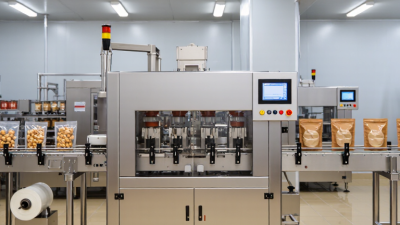
China’s packaging industry is moving from manual lines toward connected, sensor-driven production. Automated packaging machines now support faster filling, sealing, labeling, inspection, and case packing across many sectors.
Grand View Research estimated the global packaging machinery market at about USD 52.8 billion in 2023. Its report also projects continued growth through 2030, supported by food safety requirements, labor shortages, and e-commerce distribution. PMMI’s 2024 industry analysis similarly identifies automation, flexible formats, and digital monitoring as major investment priorities. These trends explain why Chinese manufacturers are receiving greater attention from international buyers.
But growth alone does not prove supplier quality. It is not that simple. A reliable evaluation should examine machine accuracy, changeover time, energy use, software integration, spare-parts access, and after-sales response. A machine may run quickly during a showroom test, yet struggle with dust, uneven cartons, or frequent product changes. Those practical details matter on a real factory floor, where a five-minute adjustment can affect thousands of packages.
This guide introduces ten notable China-based suppliers of automated packaging machines. The selection considers product coverage, engineering experience, export capability, certifications, customization strength, and service reliability. Public information remains uneven, and supplier rankings can change as technologies and markets develop. Readers should verify factory audits, test samples, compliance documents, and total ownership costs before purchasing. That caution is necessary. Better data often leads to better equipment decisions.
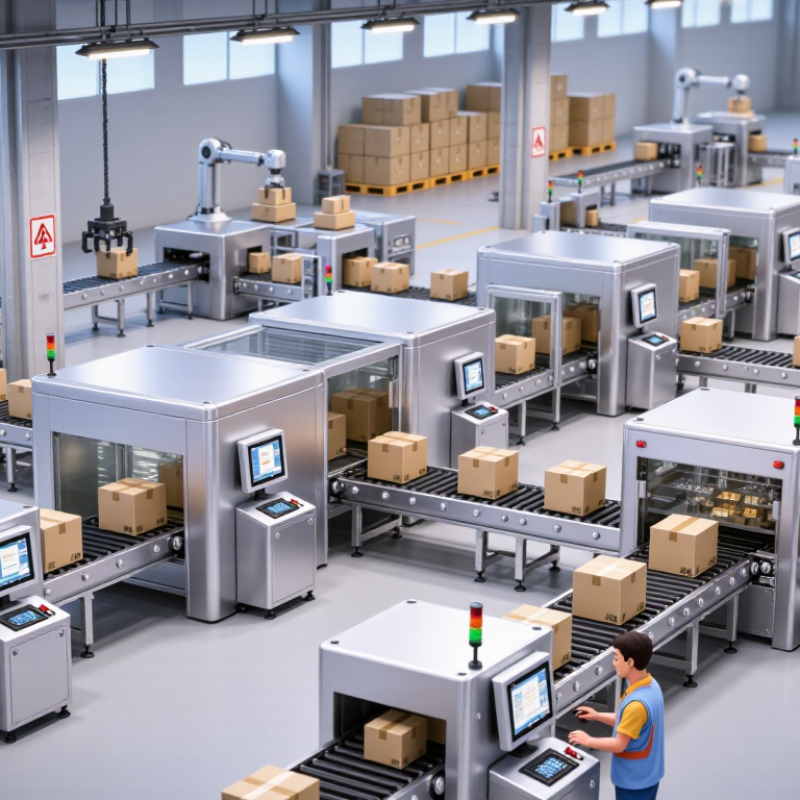
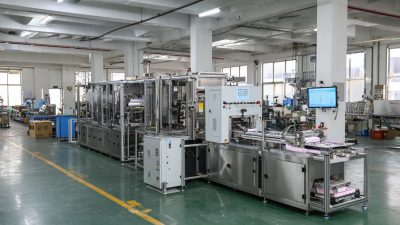
China’s packaging industry uses several automated machine types for different production needs. Vertical form-fill-seal machines create bags from film, then fill and seal them. Horizontal flow-pack machines wrap bakery items, household goods, and consumer products at steady speeds. Premade pouch machines handle products requiring neat, flexible packaging. Cartoning, case-packing, and palletizing systems support larger factories.
The details matter.
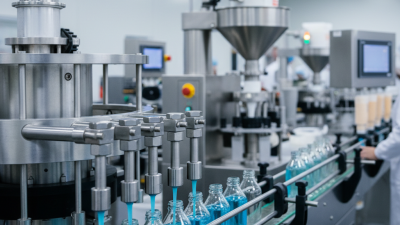
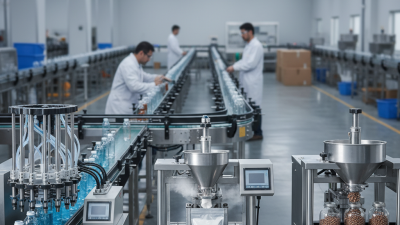
A typical line may include an auger filler for powder, a multihead weigher for snacks, or a piston filler for liquids. Servo motors control movement, while sensors check film position, product presence, and seal quality. Vision systems can detect missing labels or damaged packs. In China, these machines serve food, beverage, cosmetics, agricultural products, and general manufacturing.
Reliable operation requires more than advertised speed. Operators should test the machine with real materials, including dusty powders or uneven products. A line that runs quickly in a showroom may behave differently on a humid factory floor. This is easy to underestimate. Good suppliers provide installation guidance, safety training, spare parts, and maintenance records. Buyers should also verify electrical compatibility, cleaning access, production data, and applicable Chinese or international safety requirements. Remote support helps, but it cannot replace skilled technicians during a serious stoppage. Packaging automation reduces labor pressure and improves consistency, yet regular inspection remains essential. Mistakes still happen.
China Top 10 Automated Packaging Machines Suppliers
Evaluating China’s top automated packaging machine suppliers requires more than comparing prices. Check their experience with your product type, packaging material, and required production speed. A supplier may advertise 100 packs per minute, yet actual output can fall with fragile products or frequent size changes. Ask for a live factory test using your materials. Observe sealing strength, filling accuracy, noise, and changeover time.
Tips: Request production records, machine videos, and customer references from similar industries. Confirm electrical standards, safety guards, software language, and spare-parts availability. A clear maintenance schedule often reveals more professionalism than a polished brochure.
Technical reliability also depends on communication. Review drawings, wiring diagrams, inspection procedures, and acceptance standards before payment. Ask who handles installation and how quickly remote support responds. During testing, record rejected packs and restart time after a fault. These details expose practical weaknesses. Sometimes, suppliers provide excellent equipment but weak documentation. I have found that this gap creates avoidable delays for operators. It is easy to overlook training when the machine runs well during a short demonstration. Check whether operators can adjust settings without hidden passwords or unclear instructions. Independent inspection is useful, especially for expensive or customized systems. Do not rely on promises alone. Make every important requirement measurable.
This benchmark framework uses six practical criteria for comparing automated packaging machine suppliers. Product quality and reliability receive the highest weighting, followed by automation capability, after-sales service, total cost, customization, and compliance. The percentages represent evaluation priorities rather than the performance of any specific company or brand.
China’s leading automated packaging machine suppliers serve different production needs. One profile focuses on vertical form-fill-seal systems for snacks and powders. Another builds horizontal flow wrappers for individually packed products. Cartoning specialists support folding, loading, and sealing at stable speeds. Case-packing suppliers handle bottles, boxes, and trays with robotic pick-and-place units.
Several suppliers concentrate on end-of-line automation. Their systems may include robotic palletizers, stretch wrappers, and conveyor controls. A separate group develops weighing and multihead dosing equipment for accurate portioning. Filling and capping specialists often serve liquid products, while sachet-machine suppliers target small-dose formats. Vacuum packaging experts are valued where air removal and seal consistency matter. Turnkey integrators connect several machines through sensors, PLC controls, and inspection stations.
Reliable suppliers usually provide factory testing, operating manuals, spare-parts guidance, and remote technical support. Buyers should inspect sealing samples, electrical cabinets, guarding, and changeover time. Ask for performance data under real materials, not only ideal test conditions.
In my experience, a machine can appear impressive during a short demonstration, yet require careful adjustment on a busy production line. Some suppliers communicate clearly; others need stronger documentation and faster service responses. That difference often matters more than the advertised speed. A practical audit should also review installation skills, operator training, maintenance access, and long-term component availability.
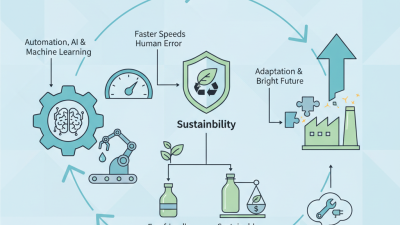
China’s top automated packaging machine suppliers now compete through engineering depth, not only production speed. Industrial robots are central to this shift. The International Federation of Robotics recorded 541,302 robot installations worldwide in 2023, up 10% year on year. Packaging lines increasingly combine delta robots, servo drives, vision inspection, and programmable logic controllers. A camera can detect a tilted carton before sealing. A servo system can adjust film tension within milliseconds.
Customization separates capable suppliers from ordinary exporters. Leading Chinese manufacturers commonly design modular systems for powders, liquids, granules, and irregular products. They may adapt filling accuracy, conveyor width, sealing temperature, and changeover tools to match a factory’s real conditions. Some also integrate checkweighers, metal detection, remote diagnostics, and production data interfaces. PMMI’s 2024 State of the Industry research highlights labor pressure and faster changeovers as continuing packaging priorities. That finding matters for small-batch production.
The best supplier discussions include material tests and factory acceptance trials. Ask for measured output, reject rates, cleaning time, and spare-parts availability. Do not trust speed claims alone. A machine rated at 120 packs per minute may run slower with sticky products or recycled film. This is where many projects become imperfect. Data standards, operator training, and maintenance access are sometimes treated as secondary details. They should not be. A reliable customization plan connects the machine, the product, and the people operating it.
| Rank | Supplier Profile | Primary Machine Categories | Key Automation Technologies | Typical Production Speed | Customization Services | Common Packaging Materials | Target Industries | Quality and Compliance Support |
|---|---|---|---|---|---|---|---|---|
| 1 | Supplier Profile 01 | Vertical form-fill-seal machines, multihead weighing systems, and premade-pouch systems | Servo drives PLC control Touchscreen HMI Automatic film tracking | Up to approximately 80 bags per minute, depending on product and bag format | Bag dimensions, dosing configuration, sealing pattern, nitrogen flushing, date coding, and line integration | PE, PP, laminated films, recyclable mono-material films, and paper-based laminates | Snacks, grains, seeds, pet food, agricultural products, and dry foods | Machine documentation, electrical safety design, factory acceptance testing, and CE-related technical support |
| 2 | Supplier Profile 02 | Premade-pouch filling and sealing machines, rotary doypack systems, and zipper-pouch packaging lines | Rotary servo indexing Vacuum control Seal-temperature monitoring Recipe management | Approximately 25–60 pouches per minute, depending on filling and sealing requirements | Spout insertion, zipper application, corner shaping, vacuum sealing, gas flushing, and multi-lane filling | Preformed laminated pouches, stand-up pouches, spouted pouches, and high-barrier films | Sauces, liquid foods, powders, pet products, household chemicals, and personal-care products | Hygienic design options, traceable component lists, validation documents, and operator training |
| 3 | Supplier Profile 03 | Cartoning machines, case packers, tray packers, and end-of-line robotic packing systems | Robotic pick-and-place Machine vision Conveyor synchronization Servo motion control | Approximately 20–120 cartons or cases per minute, based on product arrangement | Carton dimensions, product orientation, case patterns, leaflet insertion, tamper-evident sealing, and palletizing | Corrugated cases, folding cartons, trays, paperboard sleeves, and shrink film | Food and beverage, pharmaceuticals, cosmetics, household goods, and consumer products | Risk assessment, guarding design, line validation support, changeover documentation, and spare-parts planning |
| 4 | Supplier Profile 04 | Liquid filling machines, piston fillers, overflow fillers, and automatic capping systems | Flow-meter dosing No-bottle-no-fill Automatic cap sorting CIP-compatible options | Approximately 20–150 containers per minute, depending on viscosity and container size | Filling volume, nozzle quantity, container handling, cap type, induction sealing, labeling, and clean-in-place configuration | PET, HDPE, PP, glass, aluminum, and flexible liquid containers | Beverages, edible oils, detergents, cosmetics, lubricants, and pharmaceutical liquids | Product-contact material selection, hygienic construction, calibration records, and process documentation |
| 5 | Supplier Profile 05 | Premade-bag packaging machines, vacuum packers, and modified-atmosphere packaging systems | Vacuum pumps Gas control Leak detection Digital temperature control | Approximately 10–45 packs per minute, depending on vacuum level and product shape | Vacuum cycles, gas mixtures, sealing width, bag size, product loading, and leak-testing integration | High-barrier pouches, vacuum bags, thermoformed trays, lidding films, and shrink bags | Meat, seafood, cheese, ready meals, medical supplies, and specialty foods | Food-contact material guidance, sealing validation, vacuum performance testing, and sanitation options |
| 6 | Supplier Profile 06 | Stick-pack machines, sachet machines, small-dose fillers, and multi-lane liquid packaging systems | Multi-lane dosing Electronic registration Servo film feeding Automatic rejection | Approximately 150–900 sachets per minute, depending on the number of lanes and product type | Lane count, sachet dimensions, dosing method, tear-notch design, perforation, printing, and product-contact components | Composite laminates, foil laminates, PE films, paper laminates, and heat-sealable films | Condiments, pharmaceuticals, nutraceuticals, cosmetics, coffee, and powdered ingredients | Batch documentation, dosing accuracy checks, cleanable contact parts, and production qualification support |
| 7 | Supplier Profile 07 | Automatic weighing, counting, bottling, and container-closing lines | Load-cell weighing Counting sensors Level control Remote diagnostics | Approximately 15–100 containers per minute, depending on product density and accuracy requirements | Target weight, product-contact surfaces, container size, hopper capacity, cap handling, and conveyor layout | Rigid plastic containers, glass jars, metal cans, pails, and fiber containers | Calibration procedures, weighing accuracy reports, electrical schematics, and preventive-maintenance schedules | |
| 8 | Supplier Profile 08 | Horizontal flow wrappers, pillow-pack machines, and multi-lane wrapping systems | Continuous-motion sealing Photo-eye registration Automatic film splicing Product tracking | Approximately 40–300 packs per minute, depending on product dimensions and film characteristics | Jaw configuration, fin-seal design, film width, product infeed, gas flushing, perforation, and printed-film registration | Heat-sealable laminates, recyclable polyolefin films, paper-based films, and compostable film structures | Bakery products, confectionery, fresh produce, medical items, hardware, and household goods | Film compatibility testing, guarding assessment, line-speed validation, and format-change documentation |
| 9 | Supplier Profile 09 | Labeling machines, sleeve applicators, coding systems, and integrated inspection units | Vision inspection Print-and-apply Barcode verification Servo label dispensing | Approximately 30–250 containers per minute, depending on label type and inspection requirements | Container handling, label position, wraparound or front-and-back application, coding, serialization, and reject systems | Pressure-sensitive labels, paper labels, synthetic labels, shrink sleeves, and tamper-evident labels | Food, beverages, cosmetics, chemicals, pharmaceuticals, and logistics packaging | Barcode verification, traceability configuration, print-quality checks, and line-integration documentation |
| 10 | Supplier Profile 10 | Complete turnkey packaging lines, palletizers, stretch wrappers, and automated material-handling systems | PLC-MES connectivity Robotic palletizing Safety interlocks Production monitoring | Approximately 5–30 cases per minute for integrated end-of-line systems, depending on layout and load pattern | Factory layout, conveyor routing, pallet patterns, warehouse interface, safety zones, data connectivity, and complete line commissioning | Corrugated cases, stretch film, strapping materials, shrink film, pallets, and reusable transport containers | Food and beverage, building materials, chemicals, consumer goods, paper products, and industrial components | Factory acceptance testing, site acceptance testing, risk assessment, operator training, and after-sales service planning |
China’s leading automated packaging machine suppliers compete on output, stability, and customization. PMMI’s 2023 State of the Industry report valued U.S. packaging machinery shipments at about $10.8 billion in 2022. This demand increases pressure on suppliers to deliver measurable efficiency. Quality should include stainless-steel construction, servo accuracy, sealing consistency, and tested performance with real products. Factory acceptance tests are useful. Short videos are not enough.
Pricing requires a total-cost view. A low quotation may exclude molds, sensors, training, installation, or critical spare parts. Buyers should compare energy use, changeover time, warranty length, and production losses.
Certifications also need verification. ISO 9001 supports process control, while CE-related technical files and electrical safety documents should match the destination market.
Interact Analysis has reported continued growth in packaging automation, driven by labor shortages and smart-factory investment. However, supplier forecasts can be optimistic. Actual results depend on product shape, film quality, and operator skill.
Tips: Request three comparable quotations. Ask for a live test. Check spare-part availability. Require response-time commitments in writing. A practical supplier should provide remote diagnostics, clear manuals, and local service options. After-sales support often separates a reliable machine from an expensive interruption. Some suppliers still describe support vaguely, which deserves careful questioning. Personally, I would accept a slightly higher price for documented testing and faster parts delivery. That choice is not always perfect, but downtime is rarely cheap.