7 Tips for Choosing the Best Food Packing Machine
Selecting a food packing machine is not just a matter of comparing speeds or prices. The right choice must suit the food, packaging material, production volume, and people who will operate it. A machine handling crisp snacks may need gentle product transfer. A line filling sauces may need accurate dosing and easy access for cleaning. Small details matter: film rolls, seals, changeover time, and the space beside the line.
Food-packaging specialist Dr. Aaron L. Brody’s work points to a practical takeaway: “Choose for the product and process, not the brochure.” This is a paraphrase, not a verbatim quotation. It captures an important idea. A polished specification sheet cannot reveal every maintenance need or awkward changeover. Real production trials can.
This guide explores seven decision points, including machine type, product compatibility, speed, accuracy, sanitation, flexibility, and supplier support. It also considers total ownership costs, not only the purchase price. Ask how quickly operators can clear a jam. Check whether sample packs seal consistently. Listen to the machine during a trial; unusual noise deserves investigation. No option is perfect. Some trade-offs only become clear after installation, and that is worth admitting before signing. Use these tips to build a shortlist, ask sharper questions, and choose equipment that fits your actual line—not an imagined one.
Define Your Food Packaging Needs and Production Goals
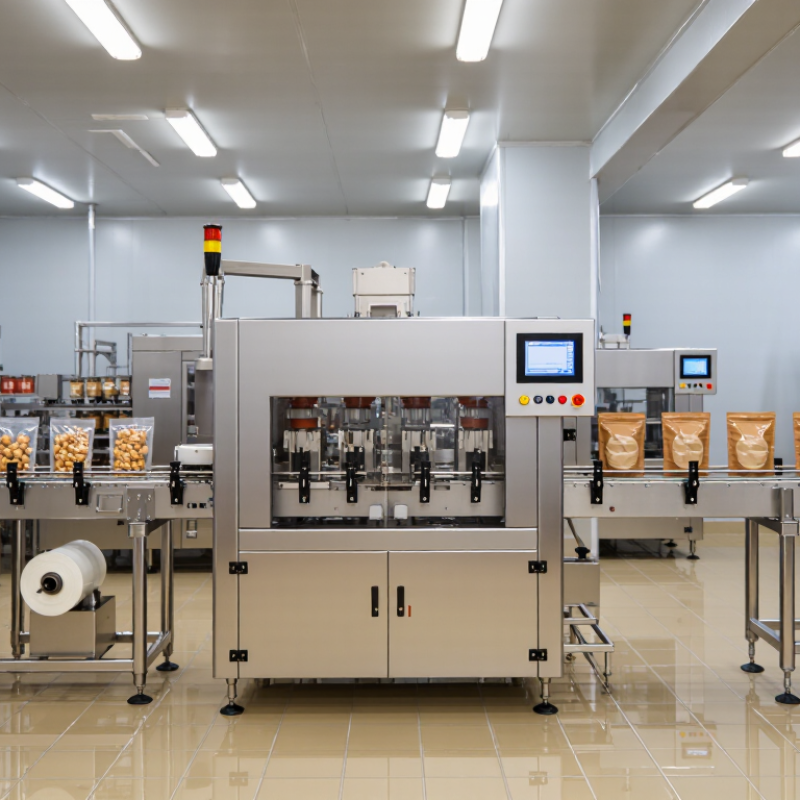
Before comparing machines, write down what the line must actually package. Note the food’s texture, temperature, portion size, and sensitivity to air or moisture. A dry snack behaves differently from a sticky sauce or chilled meal. Small details matter.
Then define realistic production goals. Estimate average and peak output per hour, not just the number you hope to reach someday. Include changeover time, cleaning, and the minutes lost when operators refill film or correct misaligned packs. A machine’s advertised speed may not reflect your product or working conditions. Check what speed it can sustain with your intended package size and material.
Consider the space and people available, too. Measure the production area, including room for loading, maintenance, and safe access around the equipment. Ask who will operate and service the machine, and what training they need. If several products share one line, list how often formats change and which adjustments must be made by hand. That part is easy to underestimate. It may help to test representative samples before choosing a configuration. Record seal quality, fill accuracy, waste, and changeover time during the trial. Your first production estimate may be imperfect; revise it using actual trial results and clear operating records.
7 Tips for Choosing the Best Food Packing Machine - Define Your Food Packaging Needs and Production Goals
| Tip | Packaging Need to Define | Production Goal or Measure | Machine Selection Consideration |
|---|---|---|---|
| 1. Identify the food product | Record whether the product is dry, liquid, paste-like, frozen, fragile, or particulate, and note its temperature and handling requirements. | Establish acceptable product loss, portion variation, and handling damage for each product. | Match the filling and conveying method to the product. For example, liquids commonly use liquid fillers, while free-flowing powders may use auger fillers. |
| 2. Specify the package format | List the required formats, such as pouches, bags, trays, cups, bottles, or cartons, along with package dimensions and closure type. | Set the number of package sizes and formats the line must handle, including planned changeovers. | Confirm that the machine supports the chosen package materials, dimensions, seals, and feeding method. Different formats may require different equipment. |
| 3. Define fill weight or volume | Set the target net quantity and applicable tolerances for every product and pack size. | Specify the required dosing accuracy and the method for checking filled packages. | Choose a dosing system suited to the product and target quantity. Verify performance using representative product trials rather than relying only on nominal specifications. |
| 4. Set a realistic output target | Estimate the number of saleable packages required per shift or production day. | Calculate required output from demand and available scheduled production time; account for breaks, sanitation, changeovers, and downtime. | Compare the required sustained output with the machine's rated speed. Rated speed may differ from actual production output under operating conditions. |
| 5. Consider shelf-life requirements | Identify whether the product needs a hermetic seal, oxygen or moisture protection, refrigeration, or modified-atmosphere packaging. | Define the required shelf life and the packaging checks needed to support it. | Check compatibility with suitable barrier materials and sealing processes. Modified-atmosphere packaging requires controlled gas flushing and package integrity checks. |
| 6. Plan for cleaning and food safety | Document allergen controls, wet or dry cleaning needs, sanitation procedures, and applicable food-safety requirements. | Set acceptable cleaning and inspection time between runs, especially when changing products or allergens. | Assess cleanability, product-contact materials, access for inspection, and whether parts can be removed or cleaned using the site's validated procedures. |
| 7. Evaluate flexibility and future growth | List foreseeable new products, package sizes, materials, and automation needs. | Estimate likely demand changes and acceptable changeover time over the planned equipment life. | Compare adjustment range, change-part requirements, operator training, and integration options. Validate flexibility with the actual products and packaging materials. |
Note: Production targets and equipment performance depend on the product, package, materials, operating conditions, and line configuration. Confirm requirements through product and packaging trials.
Related Posts
-
Discover the Future of Packaging: How Horizontal Form Fill Seal Machines Revolutionize Efficiency
-

Revolutionizing Packaging: How Pouch Filling Machines Enhance Efficiency and Sustainability in Modern Manufacturing
-
Top 10 Packaging Equipment Trends You Should Know Now?
-

Innovative Pouching Machine Designs Transforming Packaging Solutions
-

The Ultimate Guide to Comparing Packaging Automation Solutions for Global Buyers
-

The Best 10 Benefits of Automated Packaging You Need to Know