Choosing the right seal machine is not simply a matter of speed or price. The machine must suit the package material, product, seal width, and daily production volume. A small mismatch can show up as wrinkled film, uneven seals, wasted packaging, or frequent stops on the line. The best choice is the one that delivers repeatable seals under your actual working conditions—not just during a supplier demonstration.
Packaging author Walter Soroka’s work offers a useful perspective on matching packaging decisions to product and process needs. However, no source was provided for a verified statement by a seal-machine industry expert, so I can’t responsibly invent a direct quotation or attribute one to him. This guide focuses instead on practical checks: the package format, sealing temperature, pressure and dwell time, operator requirements, cleaning access, maintenance support, and room for future production changes. Details matter. A sample seal can look perfect, while a full shift reveals inconsistent results.
The ten tips ahead will help you compare machines with clear criteria and ask suppliers better questions. Bring representative packaging materials and test them at realistic line speeds. Record what works—and what does not. There is no universal best machine. A careful choice starts with your own product and process.
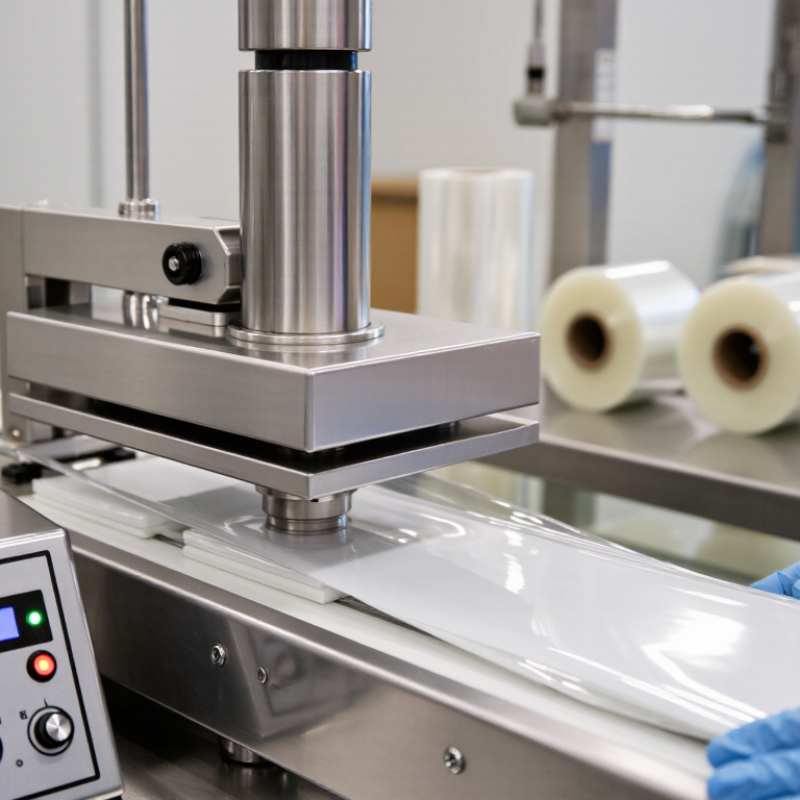
Seal machines differ in how they create a seal. Impulse sealers heat only while the jaws are closed, making them useful for intermittent work and heat-sensitive films. Constant-heat models keep the sealing surface hot and suit thicker laminates. Continuous band sealers move bags through heated belts, helping maintain output on steady production lines. Vacuum sealers remove air before closing the package; they are a different choice, not simply a faster tabletop sealer.
Match the machine to the material and pace. A narrow seal may fail on a wrinkled pouch, while excessive heat can distort thin film. Grand View Research’s Flexible Packaging Market report estimated the global market at about US$270.9 billion in 2023, reflecting the scale of packaging formats that sealing equipment may serve. That figure covers flexible packaging, not seal machines alone. It cannot tell you which unit fits your line.
Tip: Test your actual film, bag width, and fill weight before buying. Watch the seal after cooling, not just as it leaves the jaws. Ask for repeat tests at your planned speed. A small wrinkle can matter. And the cheapest machine may still cost more if operators must slow the line.
Compare common sealing methods by whether they use a contact heater at the sealing point and whether they evacuate air before sealing.
How to read the chart: “Yes” indicates a typical feature, not a performance rating. Induction sealers heat a foil liner electromagnetically, while vacuum chamber sealers remove air before the package is sealed. Machine configurations can vary.
Before comparing seal machines, define the package and the work it must handle. List each pouch, bag, or tray format, along with film type, thickness, seal width, and any required leak checks. A machine suited to one thin film may struggle with a heavier laminate. Start with the package. Include the busiest production period, not only the daily average. Record units per minute, shift length, product changeovers, and acceptable reject rates. Then measure reality. A week of line data can reveal short stoppages that make the planned output look too optimistic.
Production scale matters across the wider equipment market. Grand View Research estimated the global packaging machinery market at USD 45.77 billion in 2023, reflecting diverse packaging formats and operational needs. That figure does not identify the right sealer for your line; your own product and output data must do that. Match rated speed to actual upstream and downstream capacity, or a fast sealer may simply create a queue. Check how quickly operators can change settings and clean contact areas. If recipes vary by product, confirm that temperature, pressure, and dwell time can be adjusted consistently. Allow room for growth, but avoid paying for peak capacity you cannot use. I have seen volume forecasts miss seasonal spikes; revisit them before choosing.
| # | Decision factor | What to define | Practical guidance | Example machine fit |
|---|---|---|---|---|
| 1 | Packaging material | Identify the film structure and which layer forms the seal. | Check the supplier’s sealing temperature range and test the actual packaging material before purchase. Not every plastic film is heat-sealable. | Impulse sealers commonly suit compatible thin thermoplastic films; constant-heat systems may be needed for some thicker or multilayer materials. |
| 2 | Bag or package format | Record package width, seal length, opening style, and whether packages are pre-made or formed from a roll. | The sealing bar must accommodate the required seal length. Roll-fed packaging may require forming and filling equipment as well as a sealer. | A bench-top bar sealer can suit small batches of pre-made pouches; a form-fill-seal line handles roll stock. |
| 3 | Production volume | Estimate packages per shift and per hour, including expected growth and peak demand. | Compare rated speed with achievable output after loading, product handling, changeovers, and quality checks are included. | Low or variable volumes may suit manual equipment; regular higher-volume production may benefit from continuous or automated systems. |
| 4 | Operating method | Decide how much of the loading, positioning, sealing, and discharge process should be manual. | Automation can improve repeatability and reduce repetitive handling, but requires suitable space, setup, and operator training. | Manual impulse sealing suits hands-on work; conveyorized band sealing supports continuous feeding of compatible bags. |
| 5 | Product characteristics | Consider product size, shape, weight, temperature, and whether it can be affected by heat or pressure. | Keep powders, liquids, crumbs, or product residue away from the seal area to help achieve a consistent closure. | A chamber vacuum sealer may suit products requiring air removal; tray sealing may suit products packed in rigid trays. |
| 6 | Seal requirements | Specify seal width, appearance, strength, leak resistance, and any applicable product or industry requirements. | Validate settings with representative samples. Seal quality depends on material compatibility, temperature, pressure, and dwell time. | Choose equipment with adjustable controls when packaging materials or pouch thicknesses vary. |
| 7 | Vacuum or gas flushing | Determine whether the package needs air removal or a modified atmosphere before sealing. | A standard sealer closes the package but does not remove air or introduce gas unless designed for those functions. | A chamber vacuum sealer can evacuate compatible bags; gas-flush capability requires suitable equipment and process validation. |
| 8 | Changeovers and flexibility | Count package sizes, materials, and product variants run during a typical week. | Frequent changeovers make easy-to-adjust settings, accessible controls, and simple cleaning more valuable. | A versatile adjustable sealer may suit varied small runs; dedicated line equipment may suit stable, repeated production. |
| 9 | Installation and utilities | Check available floor or bench space, electrical supply, compressed air needs, and operator access. | Confirm the machine’s installation requirements and safety provisions against the facility before ordering. | Compact bench-top models can fit small work areas; automated lines generally need more space and may require additional utilities. |
| 10 | Maintenance and total cost | Review purchase price, consumables, spare parts, cleaning, training, and service requirements. | Include expected downtime and operating costs when comparing options, not only the initial equipment price. | Ask for maintenance schedules, replacement-part details, and a sample run using your own packaging and product. |
Note: Machine suitability and achievable output vary by equipment configuration, package dimensions, material, product, and operator workflow. Confirm specifications and test representative samples before selecting a system.
Choose the sealing method by the layer that actually melts, not the package’s outside appearance. For polyethylene- or polypropylene-sealant films, heated jaws can form seals when temperature, pressure, and dwell time match the material’s specifications. Impulse sealing limits continuous heat exposure, which may help with thin films. But speed and seal width still need testing. Laminates containing foil or paper can transfer heat unevenly. Test the actual package structure.
The Flexible Packaging Association’s 2023 State of the Flexible Packaging Industry report put U.S. sales at $42.9 billion in 2022, reflecting the scale and variety of flexible packs. The OECD’s Global Plastics Outlook reports that packaging accounted for about 40% of global plastic waste in 2019. Material choices matter. Where protection needs allow, test whether a compatible, simpler structure can seal reliably. Check seal strength with ASTM F88/F88M, and inspect for wrinkles, channels, and leaks after cooling. A clean bench sample can mislead. Production dust, line speed, or uneven film tension may change the result, so leave room for a real-line trial.
10 Tips for Choosing the Best Seal Machine
A seal machine’s advertised speed is only part of the picture. Check its output with your actual bags, products, and operator workflow. A unit rated for high volume may slow down during frequent size changes or careful product placement. Ask for a live trial using representative materials, and note rejected seals as well as completed packages. Real conditions matter.
Safety should be visible and practical. Look for accessible emergency stops, stable guards, and clear instructions for clearing jams. Operators should be able to reach controls without leaning across hot sealing bars. Maintenance deserves the same close attention. Ask how often heating elements, belts, or filters need inspection, and whether routine cleaning requires special tools. Simple access helps. Still, an easy-to-clean design cannot replace a written maintenance schedule.
Ease of use can reduce training time and inconsistent seals. Check whether temperature, pressure, and dwell-time settings are clearly displayed and easy to adjust. Test common changeovers with the people who will run the machine; a confusing menu may seem minor during a demonstration, then frustrate a busy shift. Do not choose on speed alone. A slower machine with steady seals and manageable upkeep may suit your line better. I would reassess that choice after a real production trial, because a tidy showroom setup can hide awkward daily tasks.
A low purchase price can hide an expensive operating routine. Compare the machine’s cost across its expected working life, not just the invoice. Include installation, operator training, electricity, routine maintenance, replacement parts, and packaging materials. Small costs matter. Ask suppliers for realistic service intervals and estimated part prices. Then check whether those estimates match your production schedule.
Capacity also affects the real cost. A machine that seals 20 packages per minute may be a poor fit if your line needs 35. On the other hand, paying for unused speed can waste money. Calculate the cost per sealed package using your actual daily volume, labor hours, and typical downtime. Factor in rejected seals, too. A few weak seals per shift can mean extra film, rework, and inspection time. Request a trial with your own packaging and products when possible. Watch the seal quality after repeated cycles, not just during a quick demonstration. Estimates are never perfect; maintenance needs can change with dust, heat, or operator habits. Leave room in your budget for that uncertainty.