Top Form Fill Seal Packaging Machine Types for 2026

Choosing a form fill seal packaging machine in 2026 starts with the product, package, and production target—not a machine label. A vertical system can turn rollstock into bags around a falling stream of coffee, grains, or snack pieces. A horizontal system suits products that travel steadily along a conveyor, such as bars or medical components. Thermoform-fill-seal equipment shapes trays or cavities from film, then fills and seals them in sequence.

The differences show up on the factory floor. Film tension affects seal quality. Product dust can collect near sealing jaws. Changeovers may take longer than a brochure suggests. Small details matter. Buyers should compare actual output at their intended package size, not just maximum speed. They should also check cleaning access, format-change time, film compatibility, and available service support.

This guide reviews leading machine types and the applications they fit best. It explains where each format performs well, what trade-offs to expect, and which questions to ask suppliers. A fast machine is not always the right machine. A slower line with reliable seals and simpler changeovers may deliver better results over a full shift. Specifications are useful, but production trials reveal more. No choice is perfect. Teams should verify performance using their own product and packaging materials before committing.
Top Form Fill Seal Packaging Machine Types for 2026

Vertical Form Fill Seal Machines for Bags and Pouches

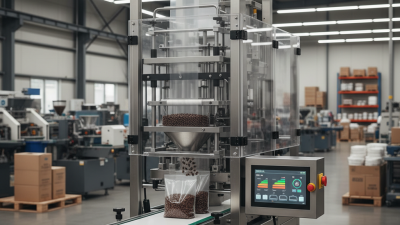
Vertical form fill seal (VFFS) machines make bags from a roll of flexible film, fill them, and seal them in one vertical process. Film moves through a forming tube, where it takes shape around the product. A measured dose drops into the open bag before heated jaws seal its top. This setup can suit snacks, grains, powders, and other products that flow consistently. Pillow bags are common, while gusseted or stand-up pouch formats may need extra forming and sealing equipment. The right configuration depends on product flow, film properties, bag size, and required output.

Tips: Keep seal areas clean. Check seal strength during startup and after adjustments. Even small changes in film tension can affect wrinkles, alignment, and seal quality.

Before choosing a machine, test the actual product and packaging film under realistic operating conditions. Powder may cling to sealing surfaces; fragile pieces may need gentler handling. Ask how quickly operators can change bag sizes and clean product-contact areas. Changeovers can take longer than expected, especially when several settings need adjustment. A practical trial can reveal these limits before installation, though it may not capture every production-floor variation.

Horizontal Form Fill Seal Machines for Packaged Products

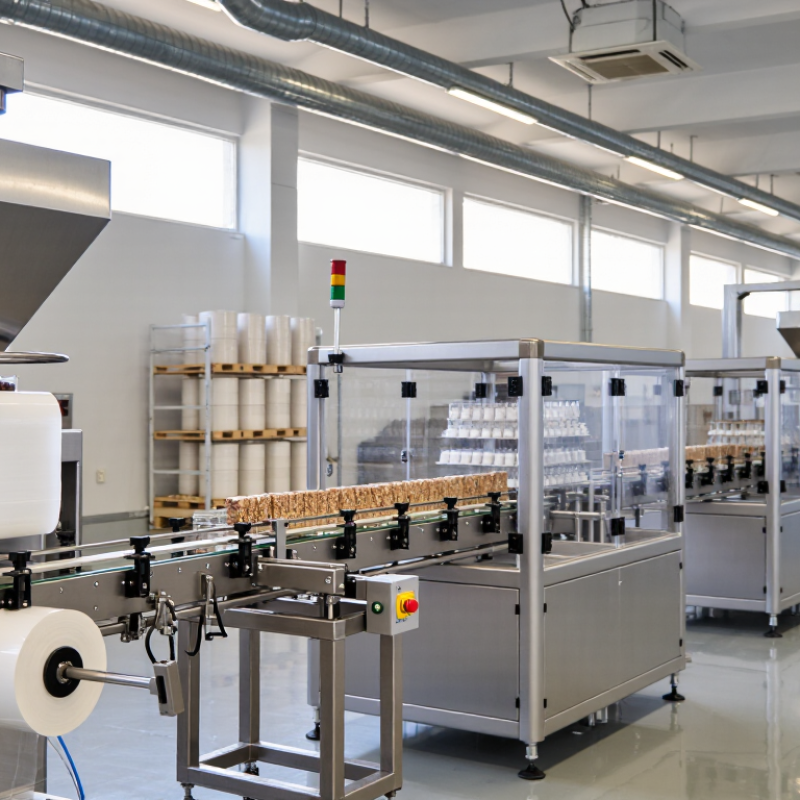
Horizontal form fill seal (HFFS) machines form packages from a flat film roll, then fill and seal them on a horizontal line. They suit products that can be fed into a pouch or wrapper, including snack bars, wipes, and small hardware. The product travels sideways. This can make loading and product presentation easier to control.

A typical machine forms the film, places the product, and seals the package with heated jaws. Operators adjust film tension, sealing temperature, and conveyor timing for different products and materials. Clear film shows the product inside, while printed film helps identify it on a shelf. For delicate items, gentle guides and controlled drop heights can limit scuffs. A photo-eye can align printed artwork, but shifting film may require frequent adjustment.

HFFS equipment can produce consistent packs at a steady pace, though changeovers still take time. Teams should check seal strength, package dimensions, and film tracking during production, not just at startup. Clean sealing jaws and recorded machine settings help repeat successful runs. Small variations can cause leaks or uneven edges, so testing with the actual product and film matters. The awkward part is often keeping every input consistent.

Thermoform Fill Seal Machines for Trays and Blister Packs

Thermoform fill seal machines shape packaging directly from a roll of forming material. For trays, the machine heats a web, forms cavities, doses product, and seals a lidding film. Blister packs use a similar sequence, but their smaller pockets often need precise alignment and consistent forming depth. Small details matter. A slightly uneven seal can cause leaks or reduce shelf life, so operators should check sealing temperature, pressure, and dwell time during setup and production.

Machine selection depends on the product, pack size, output target, and material structure. Delicate foods may need gentle product handling, while medical or retail blister applications can require clear pockets and reliable cavity placement. Ask suppliers to run representative materials and products before purchase. Inspect formed pockets, seal integrity, cutting accuracy, and changeover steps. Actual results can differ from sample runs, so trial conditions should reflect normal production as closely as possible.

Tips: Match forming depth to the product, not just the package drawing. Keep film rolls clean and dry, and record temperature and pressure settings for each format. Check a few packs at startup and after adjustments. Do not assume a neat-looking seal is sound; use an appropriate seal test, and review any inconsistent results before increasing line speed.

Top Form Fill Seal Packaging Machine Types for 2026 - Thermoform Fill Seal Machines for Trays and Blister Packs
Machine type Typical pack format Common forming materials Forming and sealing approach Indicative output Typical applications Key selection consideration
Intermittent-indexing blister TFFS Shallow or medium-depth unit-dose blisters PVC, PVC/PVDC, PET, or PP bottom web; lidding foil or compatible top web Web advances in steps; cavities are commonly formed with heat and vacuum or pressure, then filled and sealed. About 20–120 packs/min, depending on format and number of lanes Tablets, capsules, small medical products, and other individually protected items A flexible option for frequent changeovers, smaller batches, and moderate production rates.
Continuous-motion blister TFFS High-volume blister cards with repeated cavities PVC, PVC/PVDC, PET, or PP forming web with foil or polymer lidding Forming and sealing stations operate with continuous or coordinated web movement; filling is synchronized with the web. About 100–400 packs/min on suitable multi-lane formats Large-volume pharmaceutical and consumer-health blister packaging Confirm that product feeding, inspection, and downstream cartoning can keep pace with the line.
Thermoformed tray TFFS Rigid or semi-rigid single- or multi-compartment trays PET, PP, or multilayer barrier webs such as PA/PE structures Bottom web is heated and formed using vacuum, compressed air, or plug assistance; products are loaded and the top web is sealed. About 5–40 packs/min, depending on tray size and cavity layout Fresh food, prepared meals, portions, and bulky products requiring a deeper pack Check web stiffness, forming depth, tray rigidity, and compatibility with the product and sealing film.
Modified-atmosphere tray TFFS Barrier trays sealed under vacuum, gas flush, or a controlled atmosphere Barrier-grade PET, PP, or multilayer bottom web with a compatible barrier lidding film Formed trays are loaded, evacuated and/or gas-flushed, then sealed to help maintain the specified pack atmosphere. About 10–60 packs/min, depending on pack size and atmosphere cycle Meat, poultry, seafood, cheese, and selected ready-to-eat foods Validate gas composition, residual oxygen targets, seal integrity, and barrier performance for the product.
Deep-draw thermoform tray TFFS Deep cavities, often around 20–100 mm, subject to material and tooling design Formable PET, PP, or multilayer webs selected for the required strength and barrier Heated web is drawn into deeper molds, often with vacuum and plug assistance, before filling and top-web sealing. About 5–30 packs/min, depending on draw depth and pack footprint Large portions, tall products, medical components, and products needing added cavity depth Review draw ratio, wall-thickness distribution, mold design, and product clearance before selecting a line.

Output figures are indicative planning ranges, not guaranteed machine specifications. Actual throughput depends on pack dimensions, number of lanes and cavities, product loading, materials, sealing requirements, and line configuration. Aluminum/aluminum cold-form blister packs are formed by cold deformation rather than thermoforming and are therefore not included as a thermoform machine type.

Rotary Form Fill Seal Machines for High-Volume Production

Rotary form fill seal machines suit production lines that need steady output across long runs. Their rotating stations can form a pouch, fill it, and seal it while other stations handle separate steps. This continuous motion can reduce idle time compared with intermittent systems. It also makes timing and station alignment important.

A rotary machine may handle liquids, powders, or granular products, depending on its dosing equipment and package design. Film tension, sealing temperature, and fill accuracy all affect the finished pack. A small wrinkle near the seal can cause leaks or weak closures. Small details matter. Teams should test the actual film and product together, rather than relying only on a machine’s rated speed.

The trade-off is easy to underestimate: higher output can magnify small setup errors. Operators need clear procedures for changeovers, cleaning, and routine checks. Review real production data, including rejected packs and time lost between runs. A machine that runs quickly on one format may need careful adjustment for another. That can take time. Floor space, maintenance access, and the skill level of the operating team also influence whether a rotary system fits a plant’s daily workload.

Typical throughput ranges by machine type

Rotary form fill seal machines are suited to high-volume pouch production. These representative commercial ranges are indicative rather than guaranteed; actual output depends on machine configuration, product, package size, and operating conditions.

How to Choose an FFS Machine Type for Your Packaging Needs

Choosing an FFS machine starts with the product, not the advertised speed. Vertical form-fill-seal systems suit powders, grains, and other products that drop cleanly into bags. They can also fit a compact line. Horizontal systems are worth testing for fragile pieces or products that need controlled placement. Thermoform-fill-seal machines form shaped packs from rollstock, useful when trays or cavities matter. The details matter.

Ask how the product behaves at production speed. Does powder cling to the forming tube? Do crisp pieces break during feeding? Check the film’s sealing window, pack dimensions, changeover time, and available floor space. Then run product trials using the actual packaging material. A fast machine that struggles with your product is not a good fit. It happens.

PMMI’s 2024 State of the Industry report estimated U.S. packaging machinery shipments at about $10.2 billion in 2023, up 5.8% from 2022. That figure describes a broad machinery market, not FFS demand alone, but it signals continued investment. Compare vendors’ quoted output with tested output, and ask how rejects and routine cleaning affect uptime. One easy-to-miss point: the filling system and downstream equipment must work at the same pace. A perfect machine specification can still disappoint on the line.