What Is the Best Form Fill Seal Packaging Machine in 2026?
Choosing the best form fill seal packaging machine in 2026 is less about finding one universal winner and more about matching a machine to the product, package, and production floor. A compact vertical system may suit powders or granules, while a horizontal machine can handle products that need gentler placement. The right choice depends on details: target output, film type, bag dimensions, filling accuracy, and how often operators change formats.
Look closely at the working parts. Can the dosing unit deliver a consistent fill? Do the sealing jaws maintain clean, even seals across a full shift? A film roll, forming collar, and date coder may seem ordinary, but small compatibility problems can cause waste and downtime. Ask suppliers for trials using your actual product and packaging film. Request measurable results, not only catalogue speeds. Useful evidence includes seal checks, changeover time, reject rates, and service response.
There is no perfect machine. That matters. A fast line may bring little value if cleaning is slow or spare parts are difficult to obtain. Compare total operating costs, operator training, safety features, and the supplier’s technical support. Also confirm that the machine fits your available space and connects smoothly with upstream and downstream equipment. Specifications can look reassuring on paper; real production is less tidy. This guide examines machine types, key selection criteria, and practical trade-offs to help buyers judge which form fill seal packaging machine best fits their needs in 2026.
What a Form-Fill-Seal Packaging Machine Does
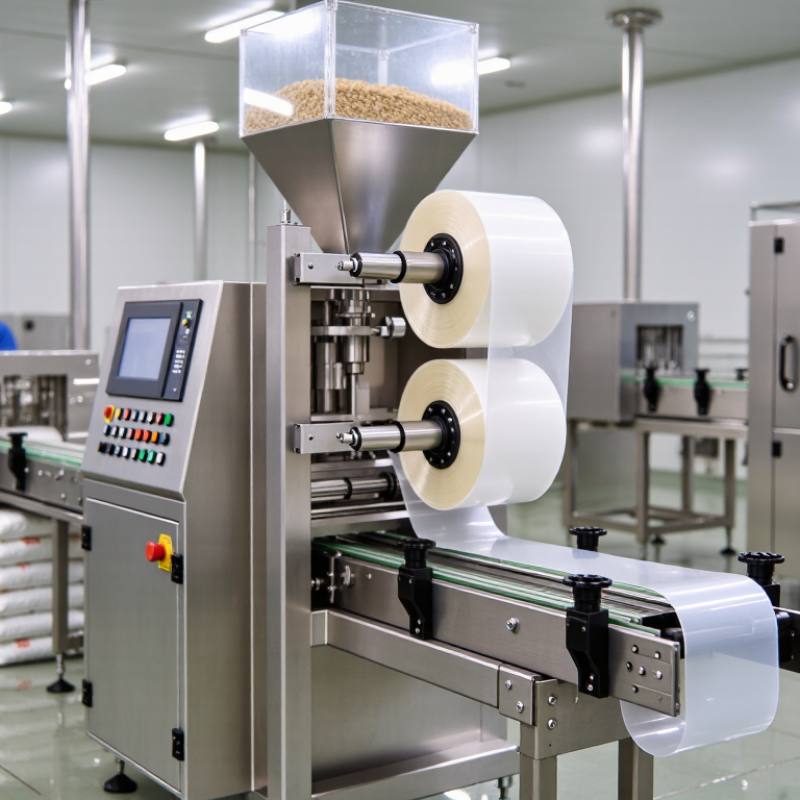
A form-fill-seal (FFS) packaging machine makes a package, fills it with product, and seals it within one connected process. It starts with a roll of packaging film. The machine shapes the film into a pouch or tube, then seals an edge. A measured amount of product enters the open pack, and the machine seals it closed.
One continuous cycle.
Different FFS designs suit different products and package formats. Vertical machines commonly form packs beneath the filling point, while horizontal machines move packages along a production line. The filling system must match the product: powders, liquids, and solid pieces behave differently. Sensors can monitor film position, sealing temperature, and filling timing. Operators still need to check the finished packs.
Look for clean seals and consistent fill levels.
The process sounds tidy, but production can be messier. Film may drift, and sticky products can leave residue near sealing areas. That is why selection should begin with product trials, pack dimensions, target output, and cleaning requirements.
A fast machine is not automatically the right one. Small details matter.
A seal that looks acceptable at first may need closer inspection after handling or storage, so real-world testing is worth the extra time.
How Form-Fill-Seal Machines Form, Fill, and Seal Packages
A form-fill-seal machine turns a flat roll of packaging film into filled, sealed packs in one coordinated process. In a vertical system, film passes over a forming collar and becomes a tube. A heated bar seals the tube lengthwise. The machine then measures a product dose, drops or pumps it into the package, and seals across the film to create the bottom and top edges. A cutter separates each finished pack. That sounds simple. It is not always.
Product behavior shapes the setup. Fine powder may cling to surfaces, while liquid can splash near the seal area. The dosing system, film type, and sealing temperature must suit the product and package design. Operators also watch seal pressure, timing, and film tension; small changes can cause wrinkles or weak seals. Sensors can flag issues, but they do not replace routine checks. A practical evaluation should test real product and packaging at a representative speed, then inspect seals and fill consistency. The fastest machine may not be the best fit. I would also leave room for adjustments: packaging lines rarely behave perfectly from day one.
What Is the Best Form Fill Seal Packaging Machine in 2026?
How Form-Fill-Seal Machines Form, Fill, and Seal Packages
Each completed package passes through three core operations: the machine forms the package, fills it with product, and seals it. This chart illustrates the process sequence—not production speed or machine capacity, which vary by machine design, product, and package.
Key Factors for Choosing a Machine in 2026
Choosing a form-fill-seal (FFS) machine in 2026 starts with the product, not the advertised speed. Map its texture, temperature, fill weight, and package dimensions. A powder behaves differently from a thick sauce, especially at the filling nozzle and sealing jaws. Grand View Research valued the global flexible packaging market at approximately $262.5 billion in 2023, reflecting the scale of applications buyers must serve. That figure does not identify a winning machine; film compatibility and reliable seals matter more to your line.
Check the full production target, including changeovers, cleaning, and routine stops. Ask suppliers to run your actual product and packaging film during a factory acceptance test. Measure good packs per minute, fill-weight variation, seal strength, and reject rate. Run a trial. A high rated speed means little if seals weaken when product residue reaches the seal area. The OECD reported that packaging accounted for about 40% of global plastic waste in 2019. That makes material efficiency worth examining: test whether the machine can handle your intended film without frequent jams or seal failures.
Compare total operating costs, not just purchase price. Include energy, compressed air, tooling, spare parts, operator training, and expected maintenance. Confirm that recipe changes are simple and the controls record useful fault data. There is no universal best. Sometimes, the practical choice is a slower machine with stable seals and quick changeovers. And a perfect trial may not predict every shift; plan for real production conditions.
How to Match a Machine to Your Product and Production Needs
What Is the Best Form Fill Seal Packaging Machine in 2026?
How to Match a Machine to Your Product and Production Needs
The best machine is the one that handles your product consistently, not simply the one with the highest advertised speed. Start with the product’s form, flow, and sensitivity. Fine powder may create dust around the sealing area, while sticky liquids can leave residue on film. Granules need accurate dosing and a filling system suited to their size. Small details matter. Confirm the package dimensions, seal width, and film type before comparing equipment.
Production needs matter just as much. Estimate your normal output, peak demand, available floor space, and operator capacity. A line that runs quickly but needs frequent adjustments may deliver less usable output than expected. Ask how long changeovers take and which parts need regular cleaning. For food or other sensitive products, check that contact surfaces and cleaning procedures suit your process. A machine specification alone cannot prove a good fit. Product trials with your own material and packaging can reveal issues early.
Tips: Bring sample product and film to a machine trial. Record fill accuracy, seal quality, waste, and changeover time. Ask what happens when the product’s texture or temperature varies. Keep the test realistic; a brief demonstration may not reflect a full shift. And be honest about your forecast. It may change.