Cartoning equipment is easy to underestimate until cartons begin backing up at the line’s discharge. A cartoning machine must handle the actual carton, product, and production rhythm—not merely look impressive in a brochure. PMMI’s 2023 State of the Industry report put U.S. packaging machinery shipments at approximately $10.9 billion in 2022, underscoring the scale of investment buyers are evaluating. That figure covers packaging machinery broadly, not cartoners alone, so it should not be mistaken for a cartoning-market estimate.
The choices range from intermittent-motion and continuous-motion systems to horizontal, vertical, wraparound, and robotic cartoners. Each suits different products, footprints, changeover demands, and output targets. PMMI executive Jorge Izquierdo’s industry perspective can be paraphrased this way: “Choose automation for the real operating conditions, not speed alone.” This is a paraphrase, not a verbatim quotation. It points to practical questions buyers should ask: How quickly can operators change formats? Will cartons feed reliably? Can the machine fit the existing line without awkward transfers?
Small details matter. A carton flap that catches, or a feeder that needs constant adjustment, can undermine a high-speed specification. The rankings ahead compare ten common machine types by application, flexibility, and trade-offs. They are a starting point, not a universal verdict. Supplier claims still need testing against real samples and shift conditions. Worth remembering. A neat specification sheet cannot show every jam, adjustment, or learning curve.
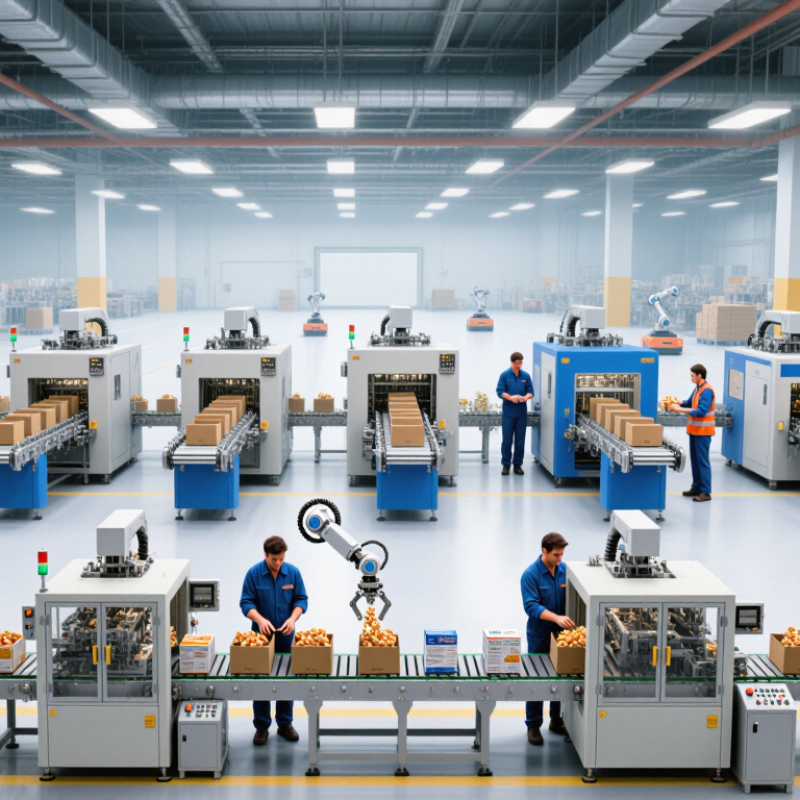
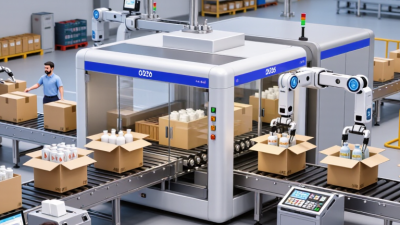
A cartoning machine forms, loads, and closes cartons around products. The exact sequence depends on the package and product feed. Some machines load horizontally, which suits bottles, tubes, and other items that remain stable on their sides. Vertical loading can work better for loose or upright products. Both approaches need reliable carton opening and controlled placement.
Cartoning lines are also classified by motion: intermittent machines pause during operations, while continuous systems move cartons through the process. Buyers should compare carton dimensions, board quality, product shape, target output, and changeover needs. Watch a test run with actual cartons. Small variations in board stiffness can cause poor opening or jams. That detail matters. Ask how the machine detects missing products and rejects faulty packs; confirm what operators must inspect during a shift. A neat specification sheet can still miss awkward hand-loading or lengthy format changes. It’s easy to focus on speed. Yet a slower, stable line may fit real production better. Not always obvious. Check access for cleaning and routine maintenance, too. The best classification is the one grounded in the product, carton, and working conditions—not a single headline speed.
Horizontal and vertical cartoning machines differ mainly in how products enter and sit inside the carton. A horizontal cartoner feeds products sideways, making it practical for trays, tubes, and items that need a controlled, gentle transfer. Picture a blister pack sliding along a guided belt before a carton closes around it. These machines often suit longer production lines, but they can demand more floor space and careful changeover planning.
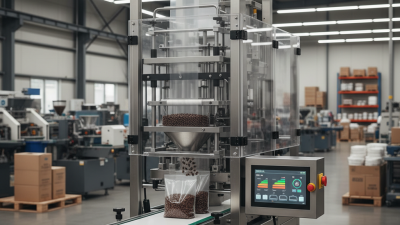
Vertical cartoners load products from above. They can work well with bottles, jars, or loose items that drop into an upright carton. This layout may use less line length, though fragile products need testing to prevent tipping or impact damage. PMMI’s 2024 State of the Industry report placed U.S. packaging machinery shipments at about $10.9 billion in 2023. That figure reflects the broader machinery sector, not cartoners alone, but it shows the scale of investment in packaging equipment.
Choosing a format means checking the real product, not just the brochure speed. Test carton dimensions, product stability, loading accuracy, and operator access during cleaning. A machine that runs fast in a demonstration may struggle with uneven items or frequent size changes. I have seen selection discussions focus too heavily on output rates; that is an easy detail to miss. Share product samples and actual carton blanks with the supplier before specifying the machine.
Intermittent-motion and continuous-motion cartoners solve the same packaging task in different ways. An intermittent machine pauses cartons at key stations while products are loaded, flaps are folded, and closures are formed. That stop-and-go rhythm can make product placement easier to inspect, especially when cartons contain several small items. It may also suit changing pack sizes or lines with moderate output requirements. The pause has a cost: cycle speed can be lower, and poorly timed transfers may cause cartons to shift.
Continuous-motion cartoners keep cartons moving through synchronized loading and closing stations. With stable product flow and accurate infeed timing, they can support higher output and smooth production. But speed is not the whole story. A misaligned item or inconsistent carton blank can disrupt several stations quickly. Operators also need suitable setup and changeover procedures. One detail is easy to underestimate: a fast machine may not help if upstream equipment feeds products unevenly.
Tips: Match the motion style to real production conditions, not only the quoted cartons-per-minute rate. Ask for a trial using your carton dimensions, product samples, and typical operating speed. Check access to jam points, changeover time, and reject handling. Small details matter. I would still allow time for operator feedback; line trials can reveal awkward adjustments that a specification sheet misses.
| No. | Cartoner Type | Typical Motion | Typical Output Range* | Common Applications | Key Selection Consideration |
|---|---|---|---|---|---|
| 1 | Intermittent horizontal end-load cartoner | Intermittent | Approximately 20–80 cartons/min | Food, personal-care products, household goods, and healthcare items | Well suited to frequent product or carton-size changes and products that need careful placement. |
| 2 | Continuous-motion horizontal end-load cartoner | Continuous | Approximately 80–400 cartons/min | High-volume packaging of bottles, tubes, pouches, and multipacks | Supports higher output, but product feeding and carton handling must remain synchronized. |
| 3 | Intermittent vertical cartoner | Intermittent | Approximately 15–60 cartons/min | Loose, granular, or bulky products such as sachets, bags, and some food items | Gravity-assisted loading can be useful when products are fed from above into an open carton. |
| 4 | Continuous-motion vertical cartoner | Continuous | Approximately 60–200 cartons/min | Higher-throughput applications involving bags, pouches, and other top-loaded products | Requires a dependable product feed and consistent carton presentation at operating speed. |
| 5 | Top-load cartoner with robotic or pick-and-place loading | Intermittent or continuous, depending on design | Approximately 20–120 cartons/min | Products needing precise orientation, grouping, or placement into a carton | Check product handling requirements, gripper design, and the number of loading lanes. |
| 6 | Wrap-around cartoner | Usually continuous; intermittent versions are available | Approximately 30–300 cartons/min | Bottles, cans, trays, and grouped products packed in wrap-around blanks | Forms the carton around the product group; blank quality and group stability affect performance. |
| 7 | Sleeve cartoner | Intermittent or continuous | Approximately 30–200 cartons/min | Trays, multipacks, and products needing a paperboard sleeve or band | Typically applies a sleeve rather than a fully enclosed carton, so product protection needs should be assessed. |
| 8 | Blister-pack cartoner | Intermittent or continuous | Approximately 60–400 cartons/min | Pharmaceutical and healthcare blister packs | May integrate leaflet insertion, blister counting, and inspection; line validation requirements can be significant. |
| 9 | Side-load horizontal cartoner | Intermittent or continuous | Approximately 30–250 cartons/min | Products loaded through a carton side flap, including tubes, bottles, and boxed items | Useful when side access suits the product feed; confirm the required carton closure style. |
| 10 | Multi-pack or collating cartoner | Intermittent or continuous | Approximately 20–200 cartons/min | Several units, sachets, or containers grouped into one retail carton | Output depends on the number of units per carton and the reliability of collation and counting. |
| *Output ranges are indicative industry ranges, not guaranteed specifications. Actual performance varies with product dimensions, carton size and style, feeding method, changeover requirements, and machine configuration. Confirm rated speed and validated line performance with the equipment supplier. | |||||
Manual cartoning machines rely heavily on operator skill. A worker folds each carton, loads the product, and closes the package by hand or with a simple tool. They can suit short runs, frequent product changes, or a small workspace. Watch the operator’s reach and carton supply: awkward movements quickly become tiring. It is easy to underestimate that.
Semi-automatic machines handle selected steps, such as carton opening or sealing, while an operator loads products or feeds blanks. This can reduce repetitive handling without requiring a fully integrated line. Check how the machine responds to different carton sizes and product shapes. A sample run with real cartons can reveal jams that a specification sheet will not.
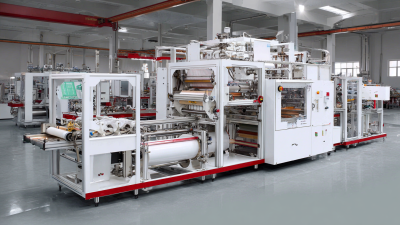
Automatic cartoning machines coordinate feeding, loading, folding, and closing at higher production speeds. They may connect with upstream filling or downstream case-packing equipment, but integration needs careful planning. Confirm that product spacing, carton dimensions, and closure style match the intended setup. Changeovers can take longer than expected, especially when guides need adjustment. Speed matters, but stable operation and accessible cleaning points matter too. Buyers should compare actual throughput under their conditions, not rely only on a headline rate.
Manual, semi-automatic, and automatic cartoning machines differ in how much of the carton-forming, product-loading, and closing process they automate.
How to read this chart: The 1–5 scale is a qualitative comparison of typical automation levels, not a measured performance rating. Actual machine capabilities vary by model, configuration, and product.
Top 10 Cartoning Machine Types for Global Buyers: Specialty Cartoners for Blisters, Bottles, and Food Products
Blister cartoners need accurate product-to-carton timing. A tablet card can snag at the magazine, while a poorly formed carton may crush its corners. Buyers should check changeover time, leaflet handling, and whether the machine detects missing blisters before sealing. Small details matter. For bottles, the key challenge is stable transfer. Neck guides, gentle lanes, and adjustable carton cells help prevent scuffing or tipping. Ask suppliers to demonstrate with your actual bottle sizes and filled-carton weights, not just empty samples.
Food cartoners face different conditions: crumbs, moisture, frequent washdowns, and varied pack shapes. Open trays and sleeves suit some bakery products; sealed cartons may better protect dry goods. Grand View Research estimated the global packaging machinery market at USD 46.1 billion in 2023, with a projected 5.1% compound annual growth rate from 2024 to 2030. This broad market figure is not a forecast for cartoners alone, but it signals continued investment in packaging automation. Compare rated speed with sustained output, including stops for replenishment and cleaning. It gets messy. A machine that runs fast in a demonstration may struggle with soft cartons or inconsistent product spacing. I would not treat headline speed as a buying decision; request a trial using production materials and document rejects, changeover duration, and operator adjustments.