Top Vertical Form Fill Seal Machine Manufacturers for Global Buyers
Choosing a vertical form fill seal machine is a practical decision with consequences for product quality, output, and daily changeovers. For global buyers, the right manufacturer must offer more than an attractive machine specification. Film compatibility, bag dimensions, filling accuracy, sealing performance, and available service support all deserve close attention. A small detail can slow an entire line. They matter.
A polished brochure cannot show how a machine handles a real production shift. Buyers should ask manufacturers for sample runs using their own film and product, plus clear information about cleaning, spare parts, and operator training. This guide introduces leading manufacturers and the capabilities buyers can compare. It considers machine formats, automation options, application experience, customization, and support across regions. Evidence should guide the shortlist: request technical documents, confirm what testing is available, and ask how service issues are handled after installation.
No supplier is the right fit for every plant. A machine suited to dry snacks may not meet the needs of powders or liquids, and quoted speeds can depend on the product and package. That caveat is easy to overlook. Careful comparison can still leave unanswered questions, so buyers should verify important claims directly with each manufacturer. The goal is a shortlist grounded in production needs, not rankings alone.
Overview of Vertical Form Fill Seal Machines
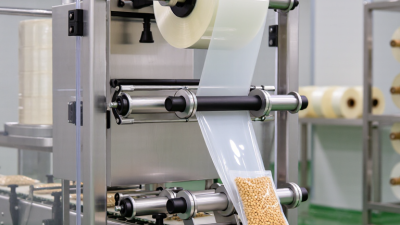
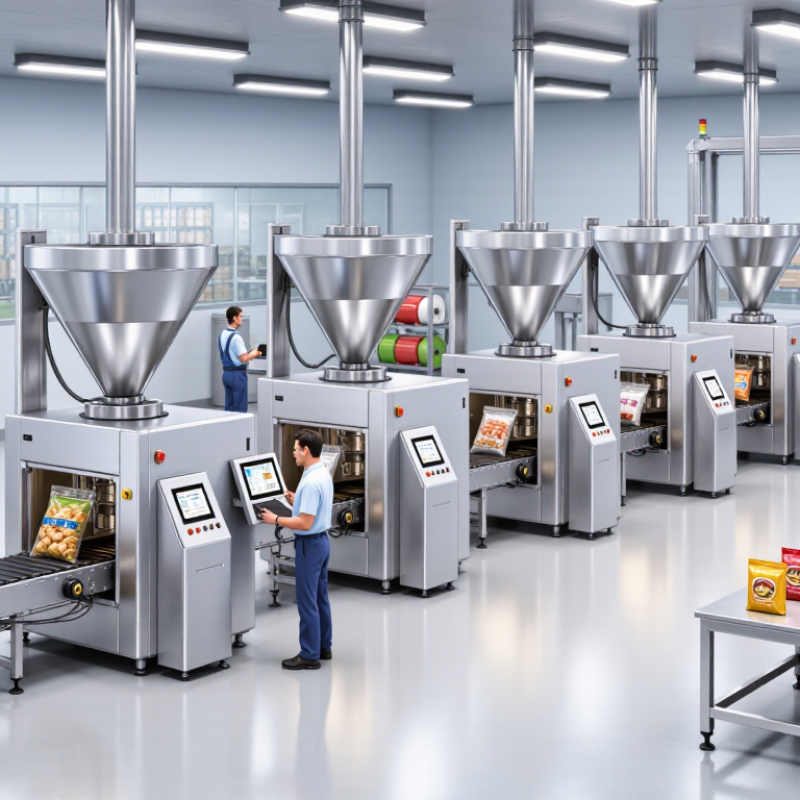
A vertical form fill seal machine turns a roll of flexible film into filled, sealed bags. The film travels downward, wraps around a forming tube, and becomes a continuous sleeve. A dosing system drops or pumps product into each bag. Sealing jaws close the package, then a cutter separates it. Simple in principle. Sensitive in practice.
Machine choice depends on the product, bag style, target output, and available floor space. Powders may need auger dosing, while liquids often require pumps and careful control of drips. Granules can use weighers, but inconsistent product flow may affect fill accuracy. Film width, thickness, and seal compatibility also matter. A sample run with the intended film can reveal wrinkles, weak seals, or awkward changeovers before installation. It is not a perfect test, but it helps.
Tips: Check sealing temperature, pressure, and dwell time together. Keep film paths clean and aligned. Record settings for each product, then verify them during production. Small adjustments can make a visible difference. Operators should also confirm that guards, emergency stops, and routine cleaning procedures are suitable for the machine and workplace.
Vertical Form Fill Seal Machines: Typical Output by Motion Type
Indicative operating-speed ranges for intermittent- and continuous-motion VFFS machines. Actual output varies with product, bag size, film, and machine configuration.
Ranges are general industry estimates, not manufacturer-specific ratings. Consult equipment specifications for application-specific performance.
How VFFS Machines Work and Where They Are Used
A vertical form fill seal machine turns a flat roll of packaging film into filled, sealed bags. The film unwinds over a forming shoulder, then wraps around a tube. A vertical seal closes the back seam. Product drops through the tube into the open bag, and heated jaws seal and cut it. The cycle is fast. Sensors help track film position and bag length, while dosing equipment controls the fill.
Different products need different dosing systems. A multihead weigher can handle snack pieces, while an auger feeder is suited to powders such as flour. Liquid products may use pumps and carefully adjusted filling nozzles. VFFS machines are common in food packaging, including grains, coffee, frozen vegetables, and confectionery. They also package items such as detergents, pet food, and small hardware. Film choice matters: a poor match can cause weak seals or excessive waste.
In production, operators check seal temperature, film tension, and fill accuracy during changeovers. Even small adjustments can affect bag appearance and leak resistance.
One detail is easy to miss. Product dust on the sealing area can compromise a seal, even when the machine appears to run normally.
VFFS equipment can offer efficient packaging, but it is not a perfect fit for every product. Fragile pieces, unusual shapes, or frequent size changes may require extra testing and setup time.
Leading VFFS Machine Manufacturers for Global Buyers
Leading VFFS machine manufacturers for global buyers understand that reliable packaging depends on more than speed. A well-matched machine should handle the buyer’s film, product texture, and target bag dimensions without frequent adjustments. Ask for sample runs using your actual materials. Small details matter.
During a factory evaluation, watch how the machine tracks film and forms each seal. Check fill-weight consistency, changeover steps, and access to cleaning points. Request operating data from a comparable application, not just a demonstration with ideal conditions. Clear manuals, remote troubleshooting, and practical spare-parts plans also matter when equipment is installed far from the manufacturer.
Global buyers should compare the complete operating setup, including electrical requirements, language options, operator training, and service response times. A fast machine may not suit a fragile product or a facility with limited maintenance staff. Some specifications look impressive on paper; they can be harder to sustain on a busy production floor. Ask what routine adjustments operators make during a normal shift, and what causes avoidable downtime. The answer may reveal more than a polished sales presentation.
Comparing Manufacturers by Technology, Applications, and Support
Choosing a vertical form fill seal manufacturer means comparing more than advertised speed. Look at sealing technology, film handling, and how quickly operators can adjust settings. A machine should form consistent seals without wasting film during routine changeovers. Ask manufacturers for test results using your actual packaging material and product. A neat specification sheet can still hide practical limits.
Application fit matters. Granules, powders, and fragile pieces may need different dosing systems and product-contact designs. Check whether the proposed machine can handle your target bag size, fill weight, and production environment. Also ask about cleaning access, spare-part availability, training, and remote troubleshooting. Support is especially important when a small fault can pause an entire packing line. Small details matter. I would still verify response times with current customers; written service promises do not always reflect busy-season conditions.
Tips: Bring sample film and product to a machine trial. Record seal quality, changeover time, and filling accuracy. Ask for maintenance instructions and a clear list of wear parts. Then compare the trial results with your daily production needs, not just the fastest speed quoted.
How to Evaluate and Select a VFFS Machine Supplier
Selecting a vertical form fill seal supplier starts with your actual product, film, and production target—not a catalogue’s top speed.
Fortune Business Insights valued the global packaging machinery market at USD 48.23 billion in 2024 and forecast growth through 2032. Grand View Research also reports a large, growing market, though its estimates use different scope and methodology. These figures describe packaging machinery broadly, not VFFS machines alone. Useful context, not a buying shortcut.
Ask suppliers to run a factory acceptance test with your product and packaging film. Watch the seals, weigh sample packs, and record changeover time and rejected bags. A neat demonstration is not enough. Request sustained output data, utility requirements, maintenance intervals, and references from plants handling similar products. Check whether replacement parts and remote support are available in your operating region. Then review the proposed service response times in writing.
Compare total ownership costs, not only purchase prices. Include tooling, training, spare parts, energy, and expected downtime. Ask how the machine handles film variation and whether operators can clear common faults safely. One awkward point: projected speeds often depend on ideal materials and conditions. Require the supplier to define the tested setup and acceptance criteria. Leave room for doubt. A few hours of testing may still miss seasonal film changes or long-run wear.